Find Your Solution
In 3 minutes, you’ll know where to start ➤
%20.png)





Estimated Reading Time: 6 minutes
If your child melts down over “tiny things,” struggles to focus, or seems constantly overwhelmed, you’re not alone. It’s not bad parenting, it’s a dysregulated brain. Understanding how nervous system regulation impacts behavior is the first step toward helping your child thrive.
In this episode, I break down why a regulated nervous system changes everything, from emotional resilience to academic success and what long-term behaviors you should expect when your child’s brain is calm.
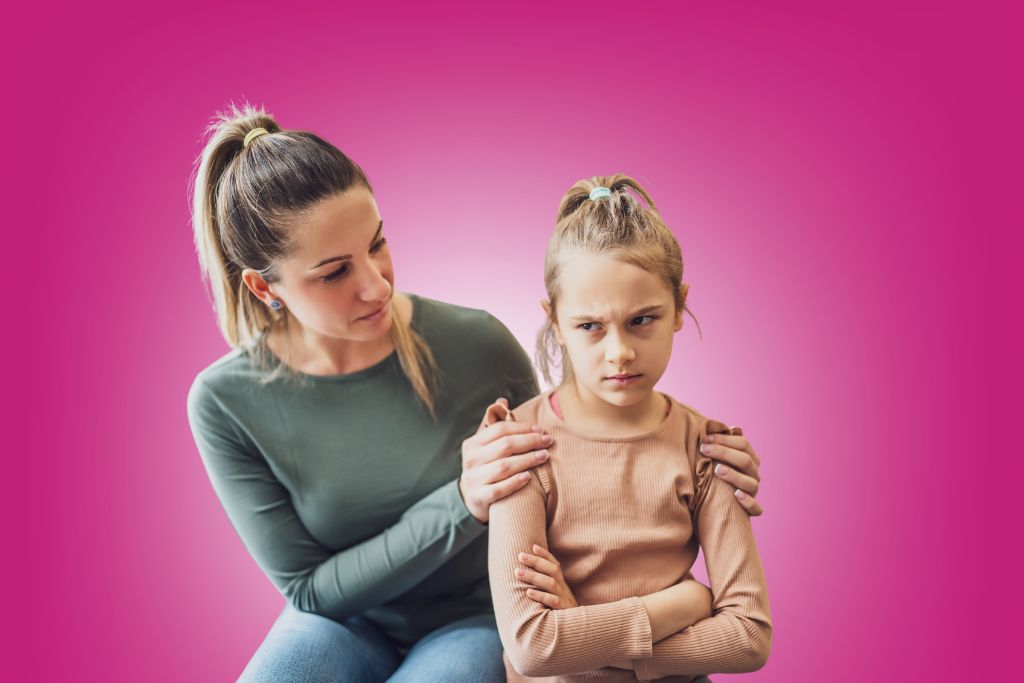
When a child’s nervous system is in “high alert,” everyday stressors feel like danger. Shoes, homework, or transitions can trigger big reactions because the brain isn’t accessing calm.
You’ll start to see:
Parent Story:
A mom shared that when she stopped correcting behavior and started calming her son’s body first, after-school meltdowns dropped within weeks. Behavior is communication, not defiance.
A calm brain can pay attention; a stressed brain cannot. Once regulation improves, kids access the thinking part of their brain again.
Benefits include:
These gains support academic success and stronger parent–child relationships. Emotional Dysregulation in Children often masks underlying learning potential.
Kids who are internally overwhelmed often misread social cues, withdraw, or react intensely. Regulated kids:
Parent Story:
A teen shared that when he felt calmer inside, he finally understood why his friends got upset, something he had missed before. Dysregulated Child behavior often obscures social strengths until the nervous system is balanced.
Yes. Calm brains handle structured routines better.
You’ll notice:
Kids begin to envision an end goal and take steps to achieve it, especially helpful for those with ADHD or learning disabilities. Nervous System Regulation in Children is the foundation for independence.
A regulated nervous system supports health and learning.
Academic improvements:
Physical improvements:
When kids feel better in their bodies, confidence and self-advocacy increase. Child Behavior Problems often improve alongside these gains.
Children learn regulation by watching adults. Modeling calm helps them co-regulate and internalize self-regulation skills.
Try this:
Remember, behavior is communication. Parental Stress and Dysregulation impacts the child’s ability to learn and adapt.
Small, consistent actions make regulation stick.
Examples:
When regulation becomes habitual, attention, emotional resilience, and social skills improve.
These tools help children shift from survival mode into a calm, receptive state where learning and growth are possible.
A regulated nervous system is the foundation for:
When we calm the brain first, everything else becomes easier. Self-Regulation Skills for Children grow faster when supported consistently.
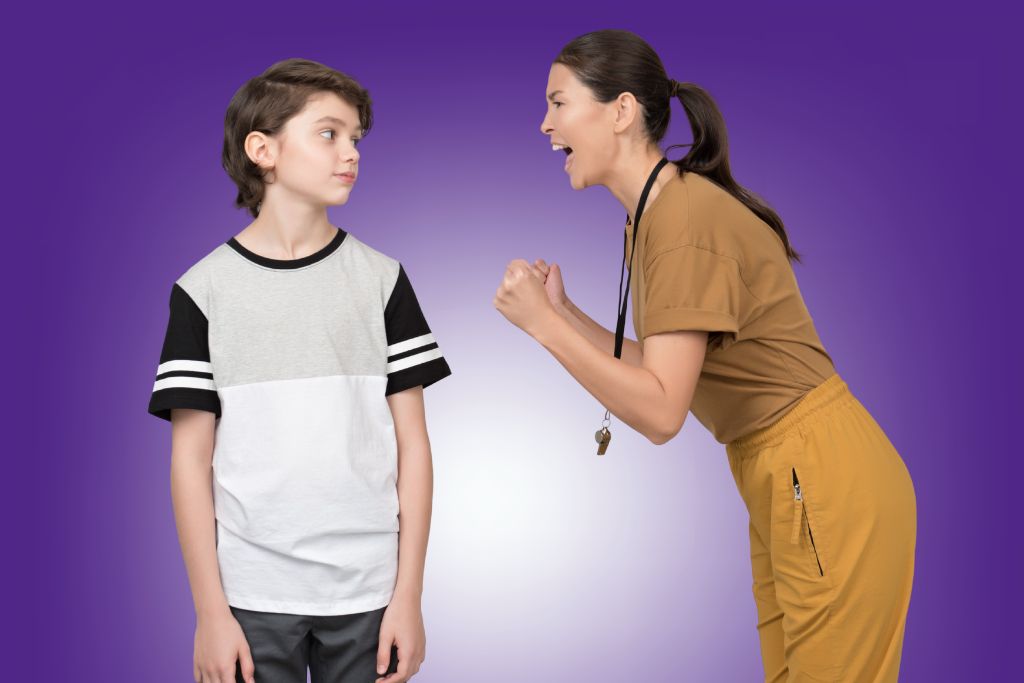
Want to stay calm when your child pushes every button? Become a Dysregulation Insider VIP and get the FREE Regulation Rescue Kit—your step-by-step guide to stop oppositional behaviors without yelling or giving in.
Go to www.drroseann.com/newsletter and grab your kit today.
Look for fewer meltdowns, improved attention, smoother transitions, and the ability to self-soothe after small setbacks.
Yes. Many attention, impulsivity, and hyperactivity issues stem from Emotional Dysregulation in Children, not just ADHD.
Absolutely. Teens benefit from co-regulation, micro-practices, and modeling calm behavior.
It varies, but small, consistent interventions typically show improvement in weeks, with long-term gains over months.
Start with simple co-regulation: modeling calm, deep breathing, predictable routines, and gentle sensory support.
Feel like you’ve tried everything and still don’t have answers?
The Solution Matcher helps you find the best starting point based on your child’s symptoms, behaviors, and history. It’s fast, free, and based on decades of clinical expertise.
Get your personalized plan now at www.drroseann.com/help
Dr. Roseann Capanna-Hodge is a licensed therapist, certified school psychologist, and leading expert in emotional dysregulation in children. With over 30 years of experience, she helps parents understand the root causes of meltdowns, anxiety, ADHD, and challenging behavior through the lens of nervous system regulation. Dr. Roseann teaches practical, science-backed strategies for co-regulation and how to calm a dysregulated child using her Regulation First Parenting™ approach. She is the host of the Dysregulated Kids Podcast and author of The Dysregulated Kid.
Dr. Roseann Capanna-Hodge
Emotional Dysregulation in Children & Nervous System Expert
Regulation First Parenting™ | CALMS Protocol™
Host of the Dysregulated Kids Podcast (Top 1% Globally)
Author of The Dysregulated Kid