Find Your Solution
In 3 minutes, you’ll know where to start ➤
%20.png)





Estimated reading time: 6 minutes
Starting the school year can feel overwhelming if your child struggles with ADHD, anxiety, or dysregulation. You might be worried about meltdowns, focus, or social challenges. You’re not alone. Back-to-school success for ADHD doesn’t come from hoping things go better—it comes from a proactive, brain-based plan that calms the nervous system and builds confidence.
Kids with ADHD and learning differences thrive on predictability. When routines disappear, nervous system overload takes over, leading to frustration, meltdowns, and avoidant behaviors.
What helps:
Parent story: A child would spiral at breakfast. When the parent added a predictable “breakfast → backpack → walk out the door” routine, mornings became calm, and transitions improved.
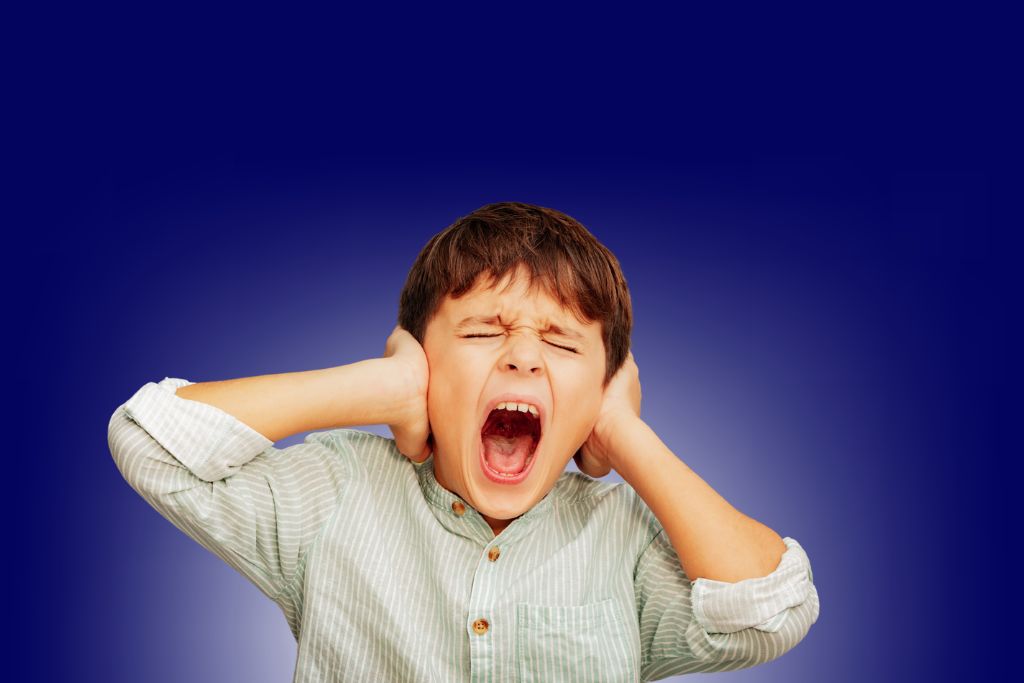
Some kids are overwhelmed by hidden stressors, not just the lack of routine. Watch for:
Takeaway: These behaviors aren’t defiance, they’re signs of fight flight freeze in kids and emotional dysregulation ADHD.
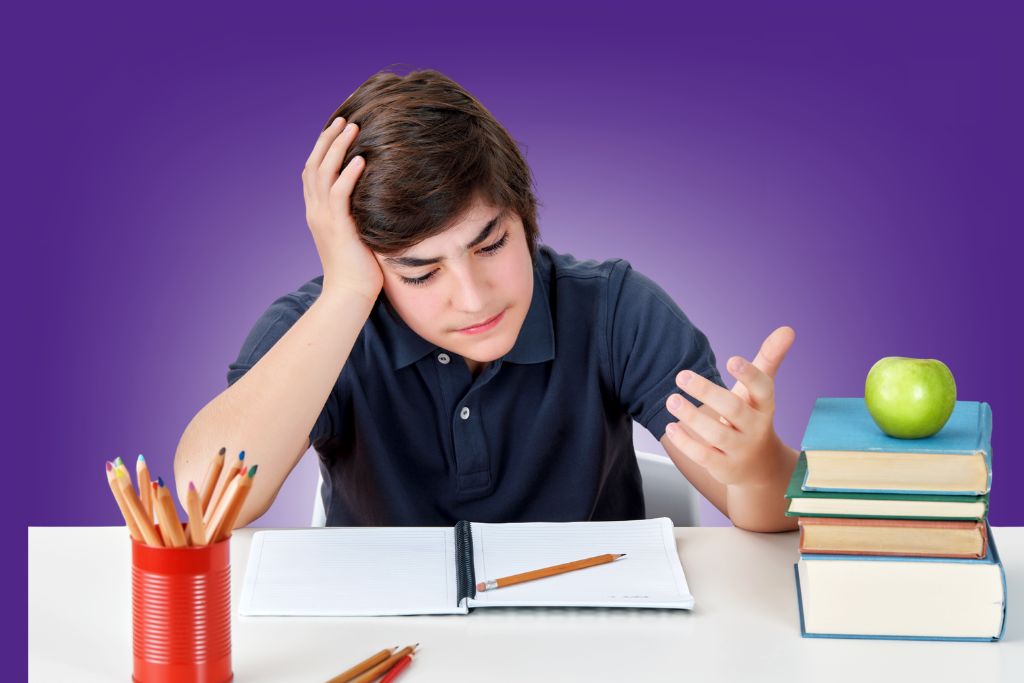
Task initiation and completion often fail because executive functioning skills are underdeveloped in dysregulated brains.
Practical supports:
Example: A child who freezes on homework benefited from a 5-minute timer, a visual checklist, and a brief stretch before starting. Calm + structure allowed completion without meltdowns.
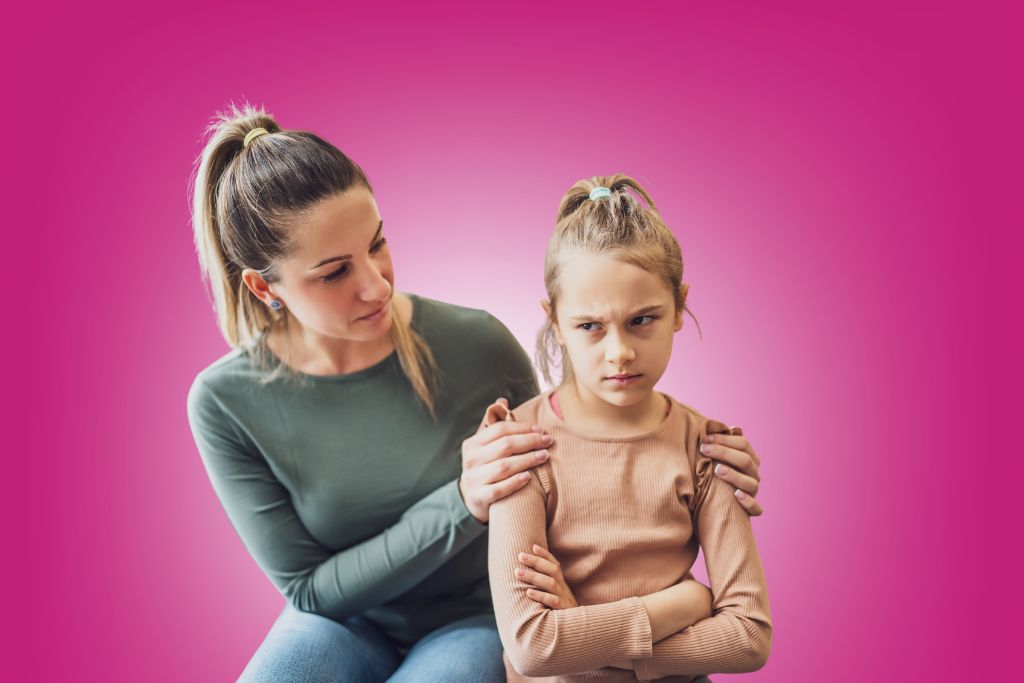
Anxiety shows up differently in each child but often peaks around transitions and school start.
Common signs:
Tip: Calm the brain first. Consistent routines, co-regulation, and sensory supports reduce overwhelm.
Many parents feel stuck when schools say, “Let’s wait and see.” Don’t wait, advocacy matters.
Steps to take:
Getting your child ready for the new school year isn’t just about supplies—it’s about nervous system readiness. Kids with ADHD or emotional dysregulation benefit when they understand what’s coming and feel prepared.
Try these strategies:
Parent tip: Even 5–10 minutes of structured discussion before school starts can lower morning stress and improve focus throughout the day. This primes their nervous system so they start the day regulated rather than reactive.
Mornings set the tone for the entire day. For ADHD and dysregulated kids, chaos in the morning can escalate meltdowns and heighten back-to-school anxiety. A predictable, calm routine strengthens emotional and executive functioning skills.
Here’s what to include:
Parent example: One family added a “calm five” before leaving for the bus—just five minutes of music and deep breaths. The child’s out-of-the-car meltdowns dropped dramatically, and transitions improved.
Parents have told me the morning chaos feels impossible. That’s why the Back-to-School Calm Kit is such a game-changer. It includes tools for:
Grab it here: Back-to-School Calm Kit
These simple, repeatable steps make transitions smoother and help prevent the stress cup from overflowing.
If struggles persist despite home strategies:
🗣️ “Doing the same thing over and over and hoping school magically goes better isn’t a plan, being proactive is how we change a child’s life.” — Dr. Roseann
Start routines early, add predictability, and calm the nervous system first.
No. You can request one anytime. Schools must respond, and advocacy is your superpower.
A lack of structure and predictability dysregulates the nervous system. Gradually reintroduce routines to help the brain settle.
Role-play social situations, use short, supervised interactions, and celebrate small successes.
Movement, sleep, mindfulness, and short brain-calming exercises help prevent overwhelm.
Every child’s journey is different.
That’s why cookie-cutter solutions don’t work. Take the free Solution Matcher Quiz and get a customized path to support your child’s emotional and behavioral needs—no guessing, no fluff. Start today at www.drroseann.com/help
Dr. Roseann Capanna-Hodge is a licensed therapist, certified school psychologist, and leading expert in emotional dysregulation in children. With over 30 years of experience, she helps parents understand the root causes of meltdowns, anxiety, ADHD, and challenging behavior through the lens of nervous system regulation. Dr. Roseann teaches practical, science-backed strategies for co-regulation and how to calm a dysregulated child using her Regulation First Parenting™ approach. She is the host of the Dysregulated Kids Podcast and author of The Dysregulated Kid.
Dr. Roseann Capanna-Hodge
Emotional Dysregulation in Children & Nervous System Expert
Regulation First Parenting™ | CALMS Protocol™
Host of the Dysregulated Kids Podcast (Top 1% Globally)
Author of The Dysregulated Kid