Find Your Solution
In 3 minutes, you’ll know where to start ➤
%20.png)





Estimated Reading Time: 6 Minutes
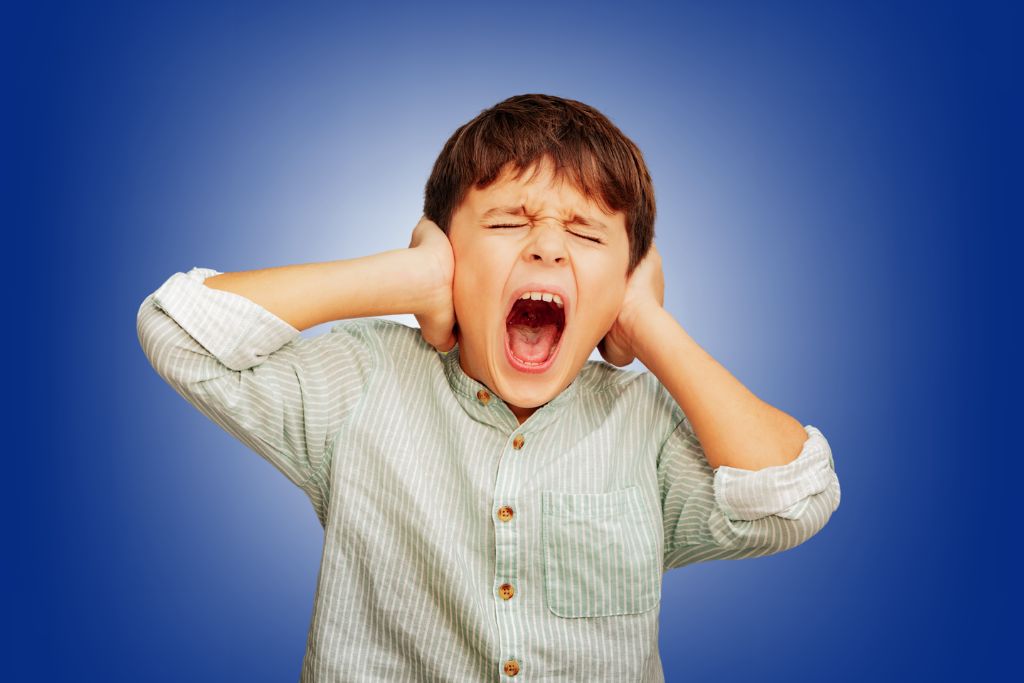
Many parents feel confused when teachers report that their child had a great day, yet afternoons are filled with meltdowns, tears, irritability, or explosive behavior. The good news is that you're not imagining it, and your child isn't trying to make life difficult.
In this episode, I explain why after-school restraint collapse happens, what your child's behavior is really communicating, and how Regulation First Parenting™ can help create calmer, more connected afternoons.
What looks like defiance, disrespect, or overreaction is often a nervous system that has simply run out of capacity.
Throughout the school day, children are constantly managing:
Many children work incredibly hard to stay regulated while they're at school.
By the time they get home, their nervous system is exhausted.
Children often "mask" stress during the day.
They suppress emotions, tolerate discomfort, and push through challenges because school requires it.
Home is where they finally feel safe enough to let it all out.
This isn't rebellion.
It's release.
Behavior is communication.
When your child melts down after school, their nervous system is often saying:
"I can't hold this together anymore."
Understanding this changes everything.
Instead of asking: "What's wrong with my child?"
Ask: "What has my child been carrying all day?"
🗣️ "Instead of feeling frustrated or questioning your parenting, you can focus on helping your child reset. And that's where real change begins." — Dr. Roseann
Parents often wonder:
"If my child can hold it together at school, why can't they do it at home?"
The answer is actually reassuring.
Children fall apart where they feel safest.
Home is the place where many children finally feel secure enough to release what they've been holding in.
By the end of the school day, the stress cup is often overflowing.
The smallest trigger can become the final drop.
A child walks through the front door and immediately starts arguing about homework, snacks, or seemingly minor requests.
The homework isn't the real problem.
The nervous system is exhausted.
One of the biggest mistakes parents make is moving directly into demands.
Homework.
Chores.
Questions.
Activities.
For many children, that's simply too much.
Regulate first. Then expect.
When your child gets home:
Children often need a chance to decompress before they can engage.
Your calm nervous system helps your child find theirs.
Try:
Less talking is often more effective.
Many after-school meltdowns are amplified by low blood sugar.
A protein-rich snack and hydration can make a significant difference.
One family created a 20-minute "decompression zone" after school.
No homework.
No chores.
No questions.
Just snacks, movement, and downtime.
Within weeks, afternoon meltdowns became far less intense.
When your child is dysregulated, it's easy to feel helpless.
The Regulation Rescue Kit gives you practical tools, calming scripts, and Regulation First Parenting™ strategies to help your child reset and recover. Become a Dysregulation Insider VIP and get your FREE kit today: www.drroseann.com/newsletter
Every child is different, but predictable routines help all nervous systems feel safer.
Movement helps discharge stress hormones.
Try:
Children often need connection before correction.
Ten minutes of:
can dramatically improve regulation.
Small choices help children regain a sense of control.
Examples:
While screens may appear calming, they often delay emotional processing and make later transitions harder.
Some after-school restraint collapse is common.
However, additional support may be needed if:
Underlying factors may include:
Professional support can help identify root causes and provide targeted interventions.
The biggest shift happens when parents stop seeing after-school meltdowns as bad behavior and start seeing them as signs of nervous system overload.
When you:
everything changes.
Your child isn't giving you a hard time.
They're having a hard time.
And your calm presence helps them find their way back to safety.
Remember:
Yes. Many children hold stress in throughout the school day and release it when they get home. It's a common nervous system response and not a sign of bad parenting.
It varies by child. Some children need 15–20 minutes to decompress, while others may need longer. Consistent routines often help improve recovery over time.
Generally, no. Most children benefit from a period of decompression before beginning homework or other responsibilities.
Many children mask stress and work hard to meet expectations at school. Home feels safe enough to release the emotions they've been holding in all day.
Absolutely. ADHD, anxiety, autism, sensory sensitivities, and emotional dysregulation can all increase the likelihood of after-school restraint collapse.
When your child is struggling, time matters.
Use the Solution Matcher to get personalized recommendations based on your child's unique behaviors, challenges, and nervous system needs.
Start here:
Dr. Roseann Capanna-Hodge is a licensed therapist, certified school psychologist, and leading expert in emotional dysregulation in children. With over 30 years of experience, she helps parents understand the root causes of meltdowns, anxiety, ADHD, and challenging behavior through the lens of nervous system regulation. Dr. Roseann teaches practical, science-backed strategies for co-regulation and how to calm a dysregulated child using her Regulation First Parenting™ approach. She is the host of the Dysregulated Kids Podcast and author of The Dysregulated Kid.
Dr. Roseann Capanna-Hodge
Emotional Dysregulation in Children & Nervous System Expert
Regulation First Parenting™ | CALMS Protocol™
Host of the Dysregulated Kids Podcast (Top 1% Globally)
Author of The Dysregulated Kid