Find Your Solution
In 3 minutes, you’ll know where to start ➤
%20.png)





Estimated reading time: 5 minutes
If your child struggles in the classroom, I want you to know this first: it’s not about intelligence or effort. Kids with ADHD are bright. Their brains just work differently. In this episode, I walk you through my five best strategies to manage ADHD in the classroom, using a Regulation First Parenting™ lens that actually supports learning.
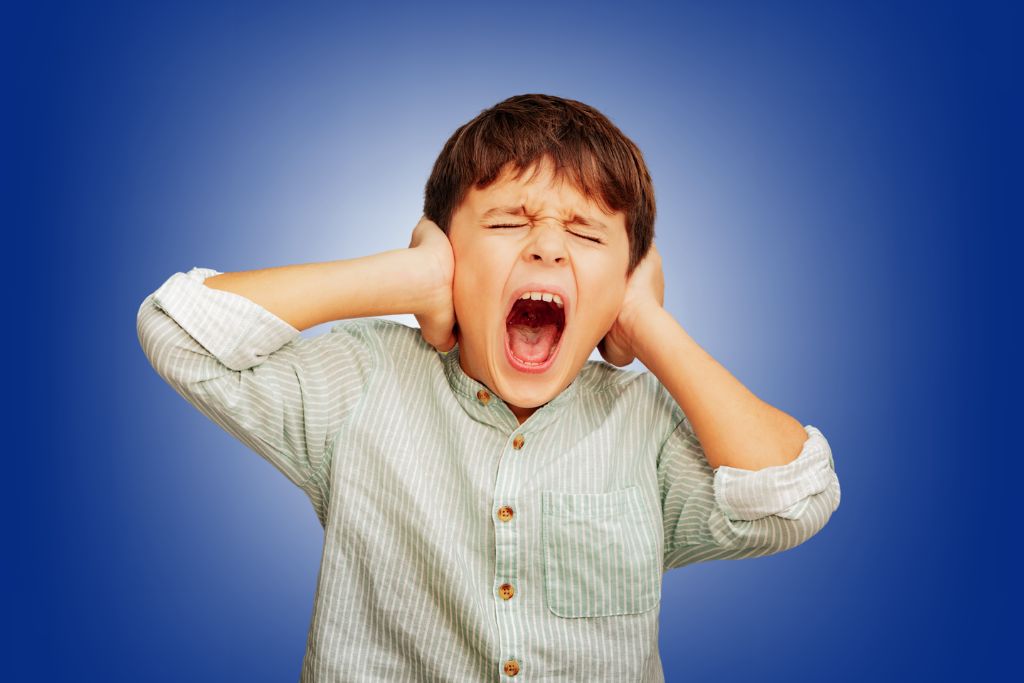
For over three decades, I’ve helped kids with ADHD, dyslexia, anxiety, and other neurodivergent profiles succeed in school. What I know for sure is this: you can’t discipline or lecture a dysregulated brain into learning. We have to meet kids where their nervous system is.
🗣️ “When the nervous system is dysregulated, no learning can happen.” — Dr. Roseann
Movement and sensory input are essential, not extras. Kids with ADHD need physical activity to stay regulated.
Helpful supports include:
One parent shared that once movement was added to a 504 plan, daily calls from school stopped almost overnight.
Executive functioning must be taught. These skills don’t come from medication alone.
Classroom strategies that work:
When kids see the end goal, their attention improves because their brain feels safer and more organized.
A dysregulated nervous system blocks focus, memory, and emotional control. Regulation comes first. School-based regulation supports may include:
Teachers don’t need to be therapists, but they do need regulation tools.
When the teacher models calm, structured, and predictable responses, students with ADHD or other dysregulated profiles can mirror that regulation. This reduces emotional hijacking and improves attention.
Practical strategies:
Parent insight: A teacher implemented brief 2-minute breathing breaks for an ADHD student and noticed fewer meltdowns and improved engagement. Supporting ADHD and emotional dysregulation isn’t just for therapy, it works in real-time at school.
Students who understand their own brain and behavior can start to self-regulate and take ownership of learning. Helping a dysregulated child reflect on what strategies help them stay calm empowers independence.
Classroom methods:
Tip: Pair reflection with movement or stretching to integrate body awareness with cognitive skills. Building self-awareness in students reduces ADHD meltdowns and strengthens regulation pathways.
Want to stay calm when your child pushes every button?
Become a Dysregulation Insider VIP and get the FREE Regulation Rescue Kit—your step-by-step guide to stop oppositional behaviors without yelling or giving in.
Go to www.drroseann.com/newsletter and grab your kit today.
Kids with ADHD hear far more correction than praise.
Effective reinforcement means:
This builds self-awareness and confidence, not dependence on rewards.
Most ADHD kids are visual-kinesthetic learners. Talking alone won’t engage their brain.
Better approaches include:
These strategies don’t just help ADHD kids, they improve learning for everyone.
When you manage ADHD in the classroom through regulation, movement, and connection, learning becomes possible. For deeper school support, listen next to the episode ADHD and School Challenges: How to Help Your Child Succeed. You’re not asking for too much, your child just needs the right supports.
Yes. Sensory breaks, visuals, and movement improve focus for every learner.
No. Movement helps regulate the ADHD brain and improves attention.
Never. School struggles are often signs of nervous system dysregulation, not parenting failure.
Not sure where to start? Take the guesswork out of helping your child.
Use our free Solution Matcher to get a personalized plan based on your child’s unique needs—whether it’s ADHD, anxiety, or emotional dysregulation.
Start here: www.drroseann.com/help
Dr. Roseann Capanna-Hodge is a licensed therapist, certified school psychologist, and leading expert in emotional dysregulation in children. With over 30 years of experience, she helps parents understand the root causes of meltdowns, anxiety, ADHD, and challenging behavior through the lens of nervous system regulation. Dr. Roseann teaches practical, science-backed strategies for co-regulation and how to calm a dysregulated child using her Regulation First Parenting™ approach. She is the host of the Dysregulated Kids Podcast and author of The Dysregulated Kid.
Dr. Roseann Capanna-Hodge
Emotional Dysregulation in Children & Nervous System Expert
Regulation First Parenting™ | CALMS Protocol™
Host of the Dysregulated Kids Podcast (Top 1% Globally)
Author of The Dysregulated Kid