Find Your Solution
In 3 minutes, you’ll know where to start ➤
%20.png)





Estimated Reading Time: 6 minutes
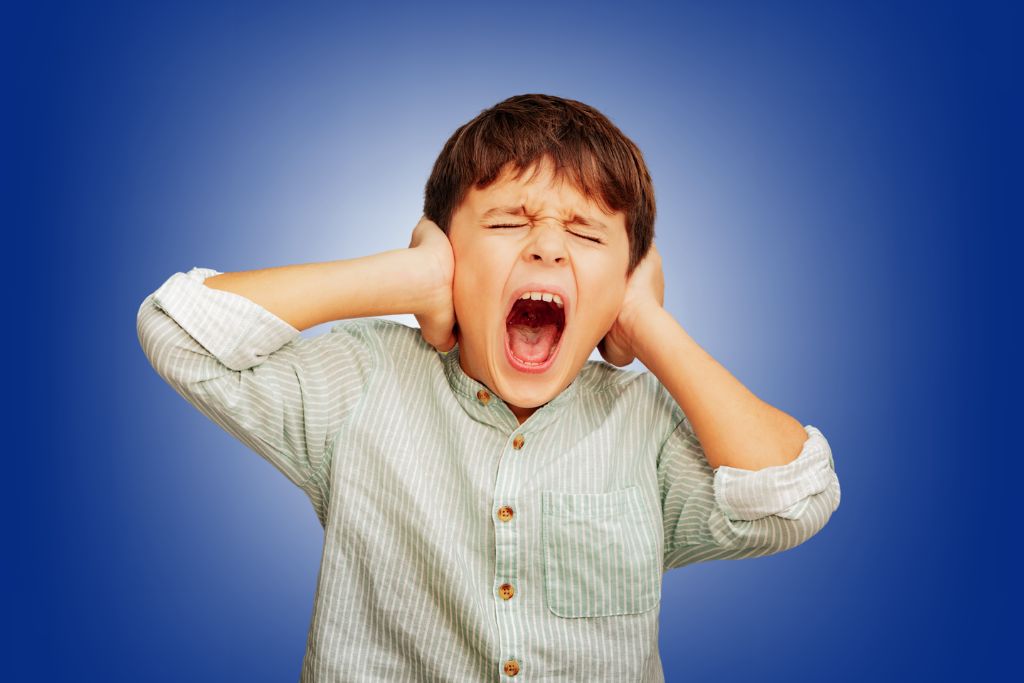
If you’re trying to figure out whether your child is dealing with ADHD and Anxiety, you’re not alone. Parents tell me every day, “I don’t know if my child is anxious, inattentive, overwhelmed… or all three.” And honestly, the overlap can be confusing because anxiety and ADHD often travel together in dysregulated kids.
In this episode, I break down how ADHD and anxiety show up differently, why they often get tangled together, and the nervous system regulation tools that actually help kids calm, focus, and feel more confident.
When kids struggle with focus, emotional regulation, avoidance, impulsivity, or constant overwhelm, it’s easy to assume there’s one simple answer.
But behavior is communication.
And often, what looks like ADHD may actually be anxiety—or anxiety layered on top of ADHD.
That’s why I always say: “Calm the brain first.”
Because when the nervous system is dysregulated, attention, executive functioning, and emotional control all fall apart.
ADHD and anxiety can look incredibly similar from the outside.
Both can cause:
But the “why” underneath the behavior is often different.
A bright child freezes every time writing homework starts.
Their anxiety says: “What if I fail?”
Their ADHD struggles with planning, organizing, and initiating the task.
And together, the nervous system becomes overwhelmed.
It’s not bad parenting—it’s a dysregulated brain.
Avoidance is one of the biggest clues that anxiety and ADHD may be interacting together.
Anxiety avoids distress.
ADHD avoids tasks that feel mentally exhausting, overwhelming, or under-stimulating.
From the outside, both can look like laziness or refusal.
But underneath, the nervous system is overloaded.
Your child says they “hate soccer” after weeks of loving it.
But once you look closer, you realize the anxiety of social pressure and transitions became overwhelming.
Behavior is communication.
Absolutely.
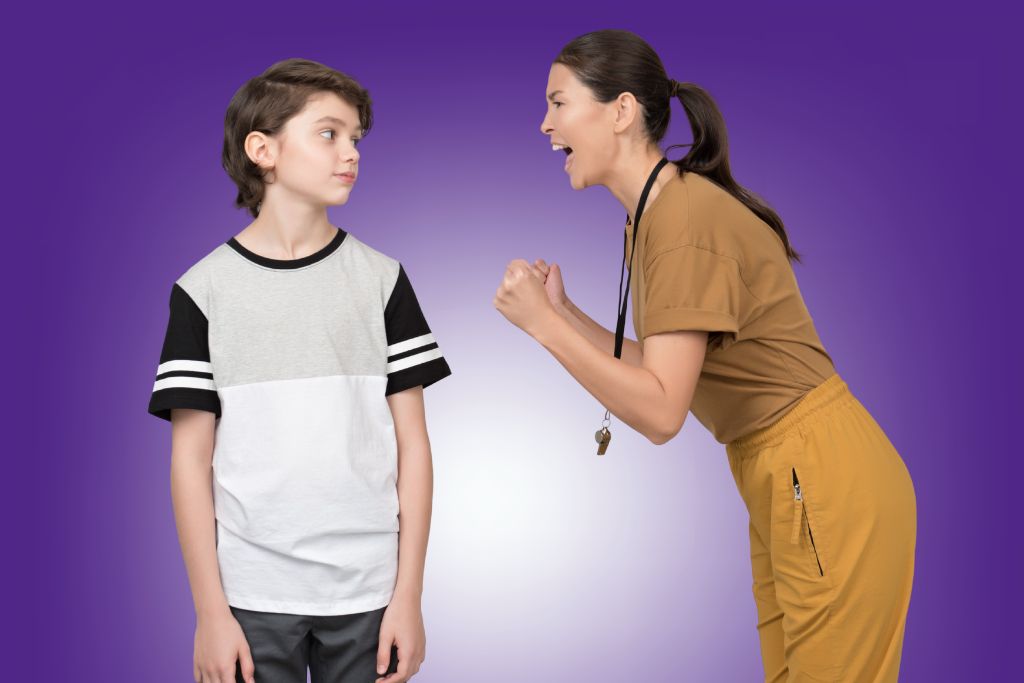
Many dysregulated kids spend their entire day hearing:
Over time, chronic correction creates stress, shame, and emotional overload.
That’s when anxiety starts wrapping around ADHD.
And the nervous system stays stuck in fight, flight, or freeze.
Your calm nervous system helps organize your child’s nervous system.
That’s why Regulation First Parenting™ is so powerful.
Regulate → Connect → Correct™
A child hears corrections all day at school and comes home explosive over small requests.
The issue isn’t defiance—it’s nervous system exhaustion.
Yes—and this happens all the time.
An anxious child often looks inattentive because their brain is consumed with worry thoughts.
Their nervous system is busy scanning for danger instead of focusing on instruction.
In busy classrooms, anxiety and ADHD can become nearly impossible to separate without looking deeper.
That’s why objective data and nervous system support matter.
When schools support regulation, learning becomes more accessible.
When your child is dysregulated, it’s easy to feel helpless. The Regulation Rescue Kit gives you the scripts and strategies you need to stay grounded and in control. Become a Dysregulation Insider VIP at www.drroseann.com/newsletter and get your free kit today.
We always start with calming the brain first.
Because a dysregulated child cannot access executive functioning, emotional regulation, or problem-solving skills consistently.
Before homework:
During emotional overwhelm:
“You can’t get the right help if you don’t have the right path—and that starts with understanding what’s really going on in the brain.” — Dr. Roseann
ADHD and anxiety often overlap because both involve nervous system dysregulation.
And when kids stay stuck in stress mode, focus, emotional regulation, and confidence all suffer.
But here’s the good news:
When we regulate first, kids think more clearly, recover faster, and build the skills they need to succeed.
You are not alone.
And it’s gonna be OK.
For more support, listen to related episodes about anxiety in children, executive functioning skills, and calming a dysregulated child.
Very common. Many dysregulated children experience both attention struggles and chronic nervous system stress simultaneously.
Yes. Anxiety can cause distractibility, restlessness, forgetfulness, and emotional dysregulation that closely resemble ADHD.
No. Regulate first. A calm brain learns; a dysregulated brain cannot process effectively.
Movement, breathwork, sensory supports, sleep, co-regulation, and reducing overwhelm all help improve focus naturally.
Share observable patterns, request simple classroom supports, and emphasize that behavior is communication from a dysregulated nervous system.
Not sure where to start?
Take the guesswork out of helping your child. Use my free Solution Matcher to get a personalized plan for your child’s needs.
Start here: www.drroseann.com/help
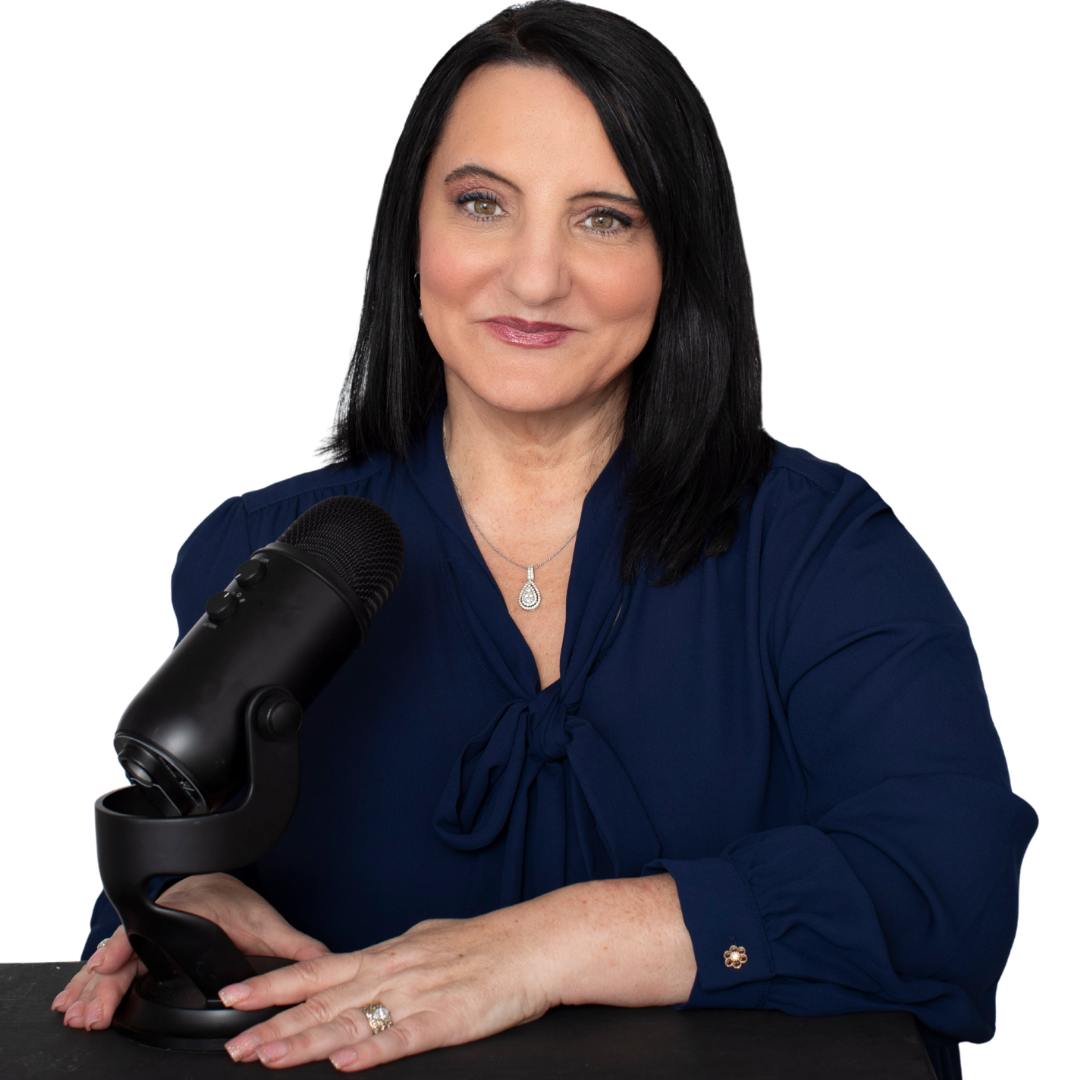
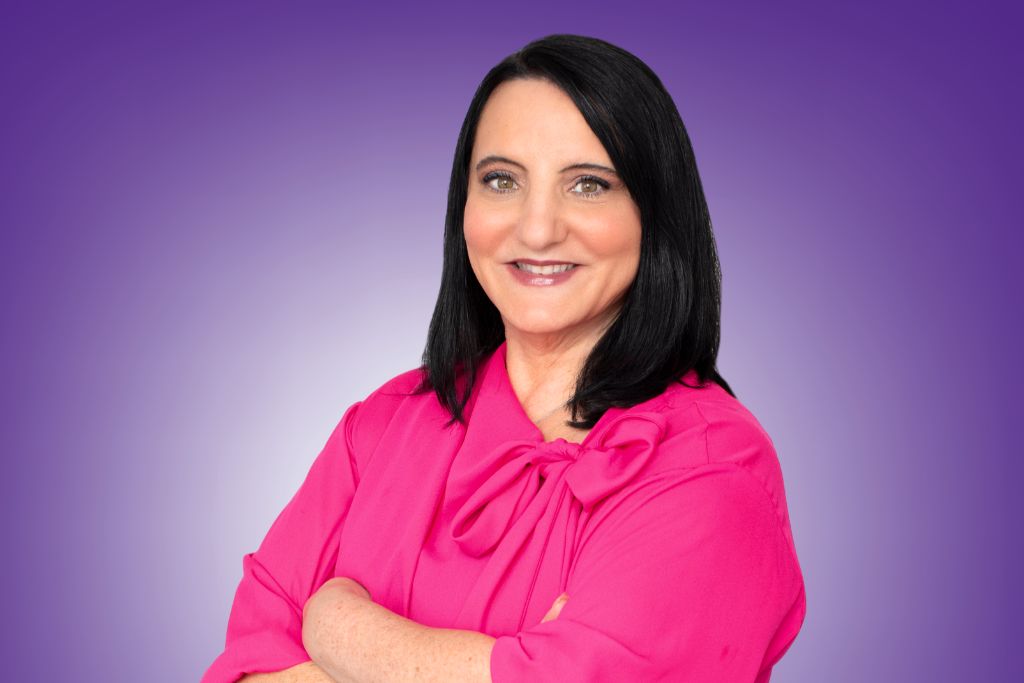
Dr. Roseann Capanna-Hodge is a licensed therapist, certified school psychologist, and leading expert in emotional dysregulation in children. With over 30 years of experience, she helps parents understand the root causes of meltdowns, anxiety, ADHD, and challenging behavior through the lens of nervous system regulation. Dr. Roseann teaches practical, science-backed strategies for co-regulation and how to calm a dysregulated child using her Regulation First Parenting™ approach. She is the host of the Dysregulated Kids Podcast and author of The Dysregulated Kid.
Dr. Roseann Capanna-Hodge
Emotional Dysregulation in Children & Nervous System Expert
Regulation First Parenting™ | CALMS Protocol™
Host of the Dysregulated Kids Podcast (Top 1% Globally)
Author of The Dysregulated Kid