Find Your Solution
In 3 minutes, you’ll know where to start ➤
%20.png)





If you’re searching for how to calm the limbic system and help your child manage big emotions, this episode is your roadmap to creating calm from the inside out. Learn five simple ways to calm the limbic system so both you and your child can move from chaos to calm.
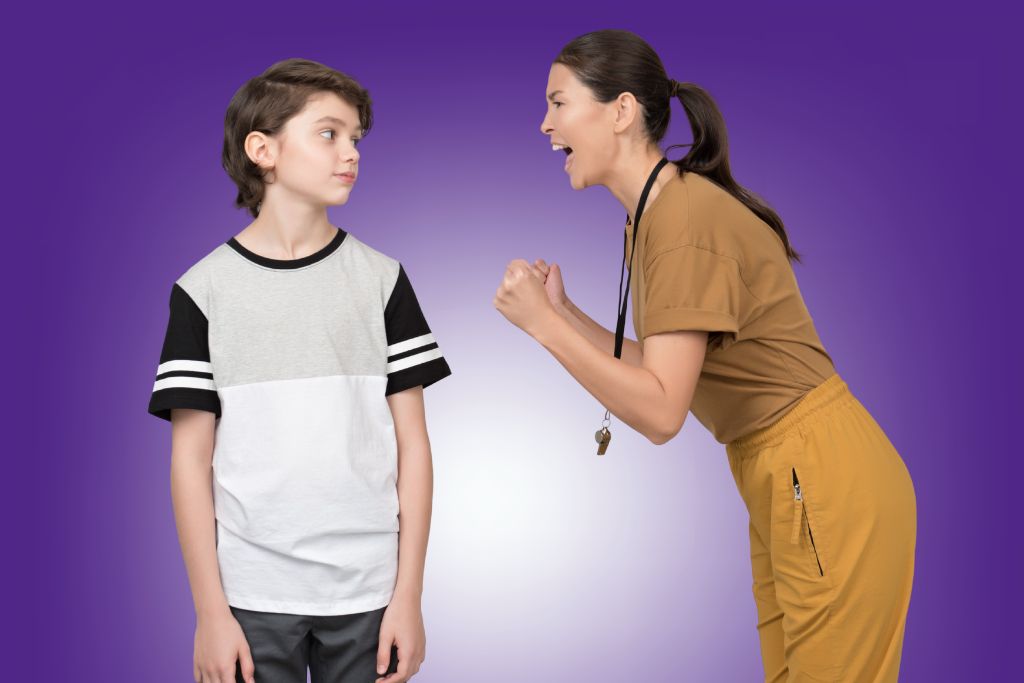
Those explosive reactions aren’t about bad behavior—they’re about a dysregulated brain. When your child’s limbic system (the brain’s emotional center) is overactive, it triggers stress, anxiety, and emotional outbursts. In this episode, Dr. Roseann shares five simple ways to calm the limbic system so both you and your child can overcome anxiety and achieve calm.
Your child’s limbic system interprets emotional signals and decides how to respond to stress. When it’s overactivated, even small frustrations—like homework or transitions—can feel like danger.
A constantly triggered limbic system keeps your child’s nervous system stuck in high alert mode, leading to:
👉 Calm starts with understanding. When the brain feels safe, behavior improves. As Dr. Roseann reminds parents, “Behavior is communication.”
When stress hormones stay high for too long, the brain’s gray matter (responsible for thinking, memory, and emotional control) starts to shrink. That’s why chronically stressed kids—and parents—struggle to self-regulate.
To protect the brain:
You can’t calm a “brain on fire” without giving it the right fuel and support. Dr. Roseann emphasizes that before reaching for medication, parents can start with diet and therapy that support healthy neurotransmitters.
Try these gentle shifts:
💡 Real-life example: A mom shared that once she switched her son’s breakfast from cereal to protein-rich eggs and added neurofeedback, morning meltdowns nearly disappeared.
Consistency is key. A calm brain doesn’t happen overnight—it’s built through daily regulation habits.
Here are Dr. Roseann’s go-to limbic system soothers:
🧠 Remember: calm brains learn better, love better, and handle stress better.
When your child is dysregulated, it’s easy to feel helpless.
The Regulation Rescue Kit gives you the scripts and strategies you need to stay grounded and in control.
Become a Dysregulation Insider VIP at www.drroseann.com/newsletter and get your free kit today.
🗣️ “You can’t expect a miracle and not do the work. But when you calm the brain first, everything else starts to fall into place.”
— Dr. Roseann
When your child’s limbic system is on overdrive, it affects emotions, behavior, and even learning. The good news? With simple, consistent steps—healthy food, restorative sleep, movement, and calming therapies—you can help their brain reset.
You’re not alone, and it’s gonna be OK. Every small step toward calm counts.
Regular sleep, balanced diet, exercise, mindfulness, and calming therapies like neurofeedback or PEMF.
Yes. Chronic stress can shrink gray matter and impair emotional regulation.
Absolutely. An overactive limbic system often drives anxiety and emotional reactivity.
Yes—nutrient-dense foods reduce inflammation and support neurotransmitter balance.
With consistency, many families notice improvements in 3–6 weeks of lifestyle and therapy changes.
Not sure where to start?
Take the guesswork out of helping your child.
Use our free Solution Matcher to get a personalized plan based on your child’s unique needs—whether it’s ADHD, anxiety, mood issues, or emotional dysregulation.
Start here: www.drroseann.com/help
Dr. Roseann Capanna-Hodge is a licensed therapist, certified school psychologist, and leading expert in emotional dysregulation in children. With over 30 years of experience, she helps parents understand the root causes of meltdowns, anxiety, ADHD, and challenging behavior through the lens of nervous system regulation. Dr. Roseann teaches practical, science-backed strategies for co-regulation and how to calm a dysregulated child using her Regulation First Parenting™ approach. She is the host of the Dysregulated Kids Podcast and author of The Dysregulated Kid.
Dr. Roseann Capanna-Hodge
Emotional Dysregulation in Children & Nervous System Expert
Regulation First Parenting™ | CALMS Protocol™
Host of the Dysregulated Kids Podcast (Top 1% Globally)
Author of The Dysregulated Kid