Find Your Solution
In 3 minutes, you’ll know where to start ➤
%20.png)





Estimated Reading Time: 7 Minutes
Have you ever looked at your child's behavior and wondered, "Are they being defiant, or are they genuinely struggling?" Understanding whether a child is dysregulated or defiant can completely change how you respond—and often changes the outcome as well.
Many parents assume challenging behavior is intentional. But what if what looks like defiance is actually emotional dysregulation? What if your child's nervous system is overwhelmed, stressed, and unable to access the skills they need in the moment?
Understanding the brain-behavior connection is one of the most important shifts a parent can make.
Because when we understand what's happening underneath the behavior, we stop focusing solely on correction and start supporting regulation.
In this episode, I explain the difference between dysregulation and defiance, how stress impacts the brain, and what parents can do to help children develop emotional regulation skills.
This is one of the most common questions parents ask.
The answer isn't always simple.
But there are important differences.
A dysregulated child often appears:
Their nervous system is operating from survival mode.
When children are dysregulated:
Defiance is usually more intentional.
A defiant child may:
They remain more connected to what's happening around them.
A dysregulated child says:
"I can't."
A defiant child says:
"I won't."
Recognizing the difference helps parents choose the right response.
Stress has a profound impact on behavior.
When children feel overwhelmed, the prefrontal cortex—the part of the brain responsible for reasoning, planning, and self-regulation—becomes less accessible.
The emotional brain takes over.
The nervous system shifts into:
In this state:
This isn't just true for children.
Adults experience it too.
A child is asked to stop playing and start homework.
Instead of calmly transitioning, they scream, cry, and refuse.
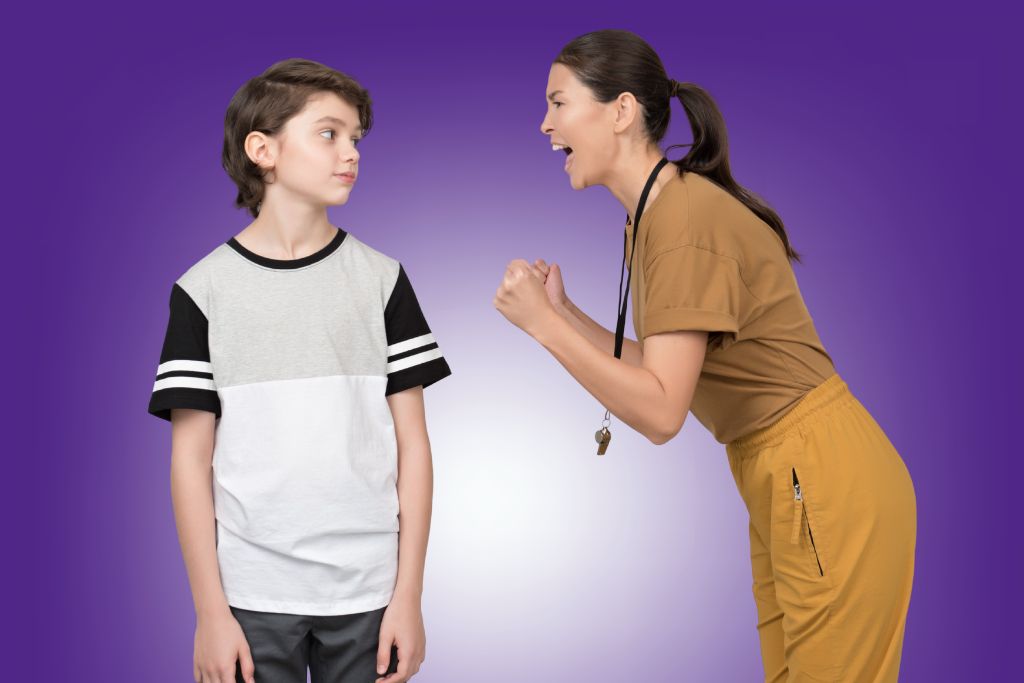
The parent assumes they're being oppositional.
In reality, the transition triggered a stress response.
The child's nervous system became overwhelmed.
Behavior is communication.
Understanding that changes everything.
Dysregulation often looks very different from deliberate defiance.
Children often look overwhelmed rather than oppositional.
Many dysregulated children:
These children aren't trying to be difficult.
Their nervous systems are overloaded.
One of the biggest mistakes parents make is treating dysregulation as defiance.
When children are dysregulated:
That's because the thinking brain isn't fully available.
The nervous system becomes more activated.
The child becomes:
Traditional discipline often fuels the very behavior parents are trying to reduce.
You can't discipline a child into calm.
You have to help them regulate first.
🗣️ "Most of the time, a child's behavior isn't about defiance or intentionally being difficult—it's their nervous system struggling, overwhelmed, and dysregulated." — Dr. Roseann
Need more tools for helping your child regulate emotions?
The Regulation Rescue Kit provides practical Regulation First Parenting™ strategies that help reduce meltdowns, improve emotional regulation, and strengthen connection. Become a Dysregulation Insider VIP and get your FREE kit today: www.drroseann.com/newsletter
The answer is co-regulation.
Co-regulation helps children borrow your calm until they develop self-regulation skills of their own.
Before responding, pause and ask:
"Am I regulated right now?"
Your child responds to your nervous system before they respond to your words.
When behavior escalates:
Children need:
Connection before correction.
A child refuses to get dressed for school.
Instead of escalating consequences, the parent pauses, lowers their voice, and helps the child regulate.
Once calm returns, cooperation becomes much easier.
That's the power of co-regulation.
Parents often worry they're getting it wrong.
The truth is that regulation develops slowly.
Children learn through:
No single response changes everything.
Progress comes from hundreds of small moments.
These changes happen gradually.
And they matter.
The next time your child has a meltdown, refuses to cooperate, or reacts strongly, pause before assuming it's defiance.
Ask yourself:
"Is my child being defiant, or are they dysregulated?"
That one question can change everything.
Your child isn't giving you a hard time. They're having a hard time.
Behavior is communication.
And when we focus on regulation first, children gain the skills they need to handle life's challenges more successfully.
Remember:
Dysregulated children appear overwhelmed, emotional, or unable to cope. Defiant children are usually more aware of their choices and intentionally push back against limits.
Common causes include chronic stress, ADHD, anxiety, autism, OCD, trauma, sensory challenges, and nervous system overload.
When children are emotionally overwhelmed, the thinking brain becomes less accessible. Regulation must happen before learning can occur.
Co-regulation is the process of helping your child regulate their emotions through your calm presence, support, and nervous system stability.
Absolutely. With consistent co-regulation, support, and practice, children can develop stronger emotional regulation skills and greater resilience.
Not sure where to start?
The Solution Matcher helps identify the next best step based on your child's behavior, symptoms, and emotional needs. Start here: www.drroseann.com/help
Dr. Roseann Capanna-Hodge is a licensed therapist, certified school psychologist, and leading expert in emotional dysregulation in children. With over 30 years of experience, she helps parents understand the root causes of meltdowns, anxiety, ADHD, and challenging behavior through the lens of nervous system regulation. Dr. Roseann teaches practical, science-backed strategies for co-regulation and how to calm a dysregulated child using her Regulation First Parenting™ approach. She is the host of the Dysregulated Kids Podcast and author of The Dysregulated Kid.
Dr. Roseann Capanna-Hodge
Emotional Dysregulation in Children & Nervous System Expert
Regulation First Parenting™ | CALMS Protocol™
Host of the Dysregulated Kids Podcast (Top 1% Globally)
Author of The Dysregulated Kid