Find Your Solution
In 3 minutes, you’ll know where to start ➤
%20.png)





Estimated Reading Time: 7 Minutes
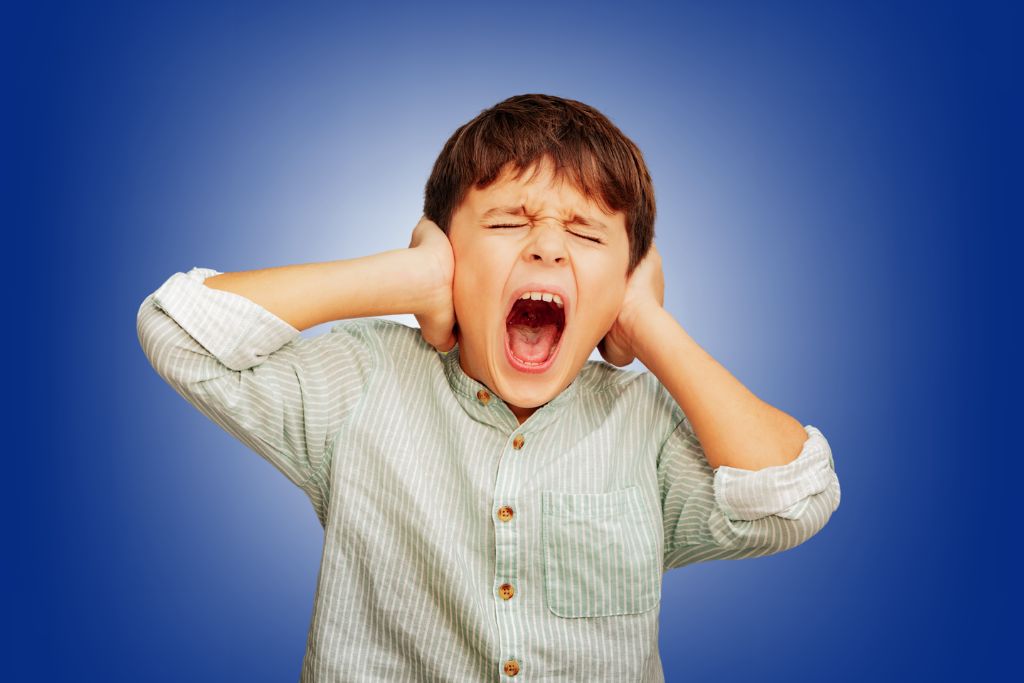
Have you ever watched your child's meltdown and felt completely lost about how to help? Emotional dysregulation in children can leave parents feeling exhausted, frustrated, and unsure what to do next. One minute your child seems fine, and the next they're yelling, crying, shutting down, or completely overwhelmed.
Many parents assume these reactions are simply bad behavior, defiance, or a lack of discipline.
They're not.
More often than not, they're signs of a nervous system that feels overwhelmed and unable to cope.
In this episode, I explain the signs and causes of emotional dysregulation and share practical Regulation First Parenting™ strategies that help children build emotional regulation skills and resilience.
Emotional dysregulation occurs when a child struggles to manage emotions, recover from stress, or respond flexibly to challenges.
Children who are dysregulated often have difficulty:
Behavior is communication.
These behaviors are often signals that a child's nervous system needs support—not punishment.
Many parents tell me:
If those thoughts sound familiar, you're not alone.
And you're paying attention.
That's where healing begins.
After working with thousands of families, I've learned that emotional dysregulation is rarely caused by one thing.
It's usually the result of multiple stressors affecting the nervous system.
One of the most common contributors is stress.
The nervous system responds to both real and perceived threats.
Examples include:
Over time, stress accumulates.
When the stress cup overflows, emotional dysregulation follows.
Children with:
often experience greater nervous system activation.
This can make emotional regulation more difficult.
When children experience trauma, their nervous systems may remain stuck in survival mode.
Even safe situations can feel threatening.
Many everyday factors affect regulation:
These stressors often stack on top of one another.
Children absorb the emotional energy around them.
When parents are overwhelmed, children often become more dysregulated too.
This isn't blame.
It's how nervous systems work.
One of the biggest misunderstandings about emotional dysregulation is assuming that children can simply choose better behavior.
When children are dysregulated:
A dysregulated brain cannot learn effectively.
That's why:
The nervous system must be regulated before learning can happen.
It's not bad parenting.
It's a dysregulated brain.
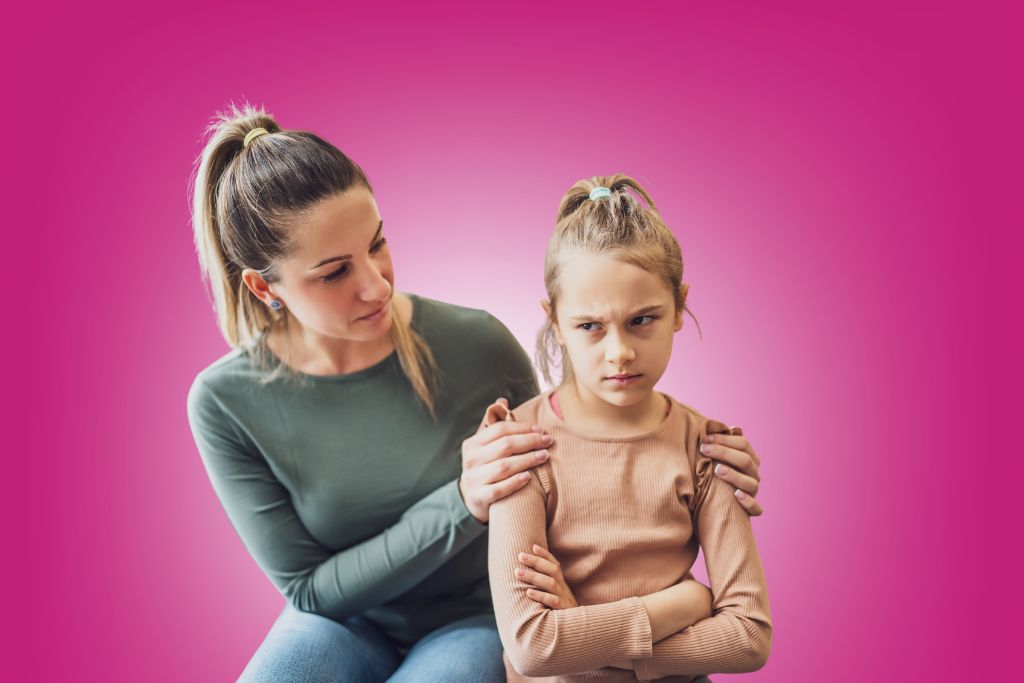
Helping a dysregulated child always starts with co-regulation.
Children borrow our nervous systems before they develop the ability to regulate independently.
Before helping your child, pause and ask:
"Am I regulated enough to help right now?"
Your child responds more to your nervous system than your words.
One of my favorite strategies is what I call the Love Pause.
Before responding:
This creates the conditions for co-regulation.
A child begins screaming after being told it's time to leave the park.
Instead of immediately correcting the behavior, the parent pauses, takes a breath, and lowers their voice.
Within minutes, the child's nervous system begins responding to the parent's calm.
That's co-regulation.
🗣️ "If you're tense, annoyed, or irritated, your child's nervous system will pick up on that immediately." — Dr. Roseann
Need more support helping your child regulate emotions?
The Regulation Rescue Kit provides practical Regulation First Parenting™ tools that help reduce meltdowns, improve emotional regulation, and create more peace at home. Become a Dysregulation Insider VIP and get your FREE kit today: www.drroseann.com/newsletter
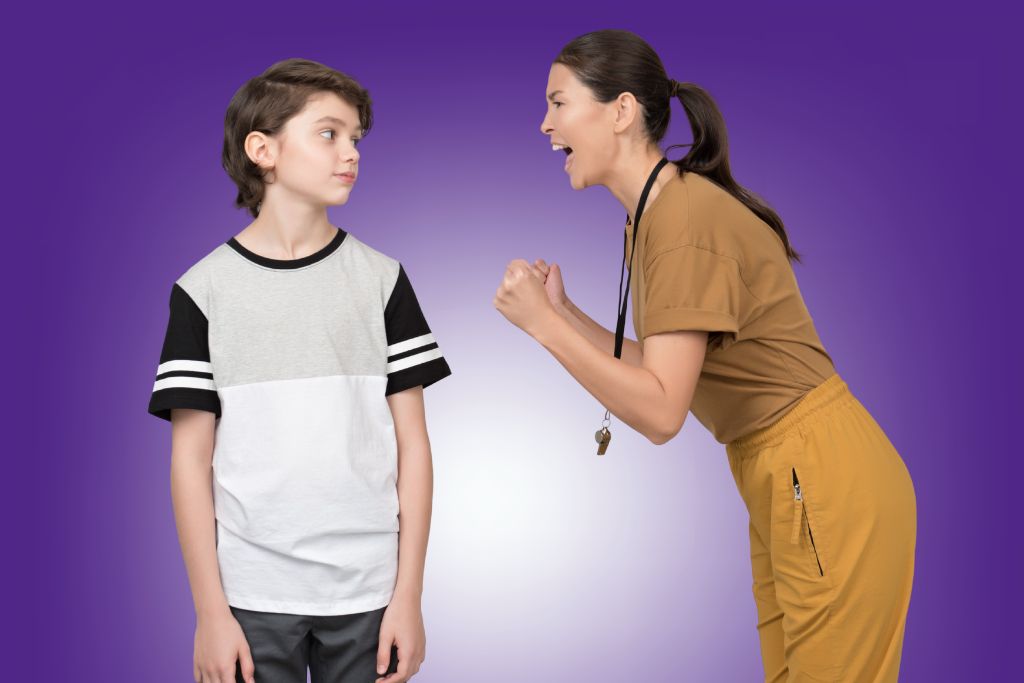
Many parents make the mistake of talking too much during emotional crises.
When a child is overwhelmed:
Focus on:
Try:
Less talking.
More regulating.
Avoid:
Teaching comes later.
Regulation comes first.
Children develop emotional regulation through repeated experiences of co-regulation.
Every time you help your child return to calm:
The goal isn't stopping every meltdown.
The goal is helping children learn how to recover from them.
That's how lasting emotional regulation develops.
Emotional dysregulation isn't a character flaw.
It's a nervous system asking for help.
Your child isn't giving you a hard time.
They're having a hard time.
When we stop viewing behavior as the problem and start understanding what's happening underneath it, everything changes.
Remember:
Every calm interaction helps build the emotional skills your child needs for life.
Emotional dysregulation occurs when children struggle to manage emotions, recover from stress, and respond flexibly to challenges.
Common contributors include chronic stress, ADHD, autism, anxiety, OCD, trauma, poor sleep, sensory challenges, and nervous system dysregulation.
Start with co-regulation. Focus on calming your own nervous system first, then provide safety, connection, and support while your child learns regulation skills.
When children are dysregulated, the thinking brain becomes less accessible. The nervous system needs regulation before learning or behavior change can occur.
Every child is different. Consistent co-regulation, nervous system support, and emotional skill-building create improvement over time.
Not sure where to start?
The Solution Matcher helps identify the best next step based on your child's symptoms, behaviors, and emotional needs. Start here: www.drroseann.com/help
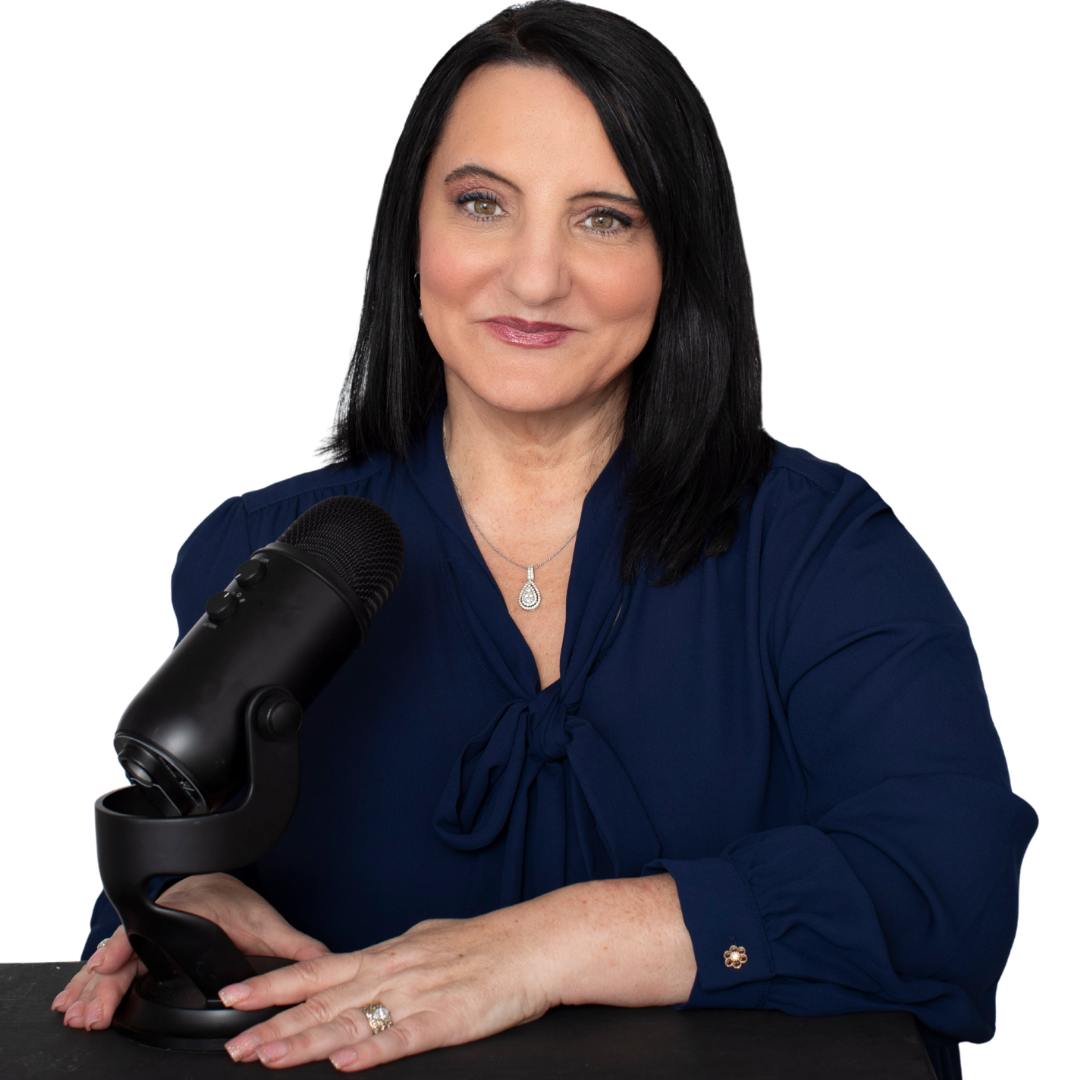
Dr. Roseann Capanna-Hodge is a licensed therapist, certified school psychologist, and leading expert in emotional dysregulation in children. With over 30 years of experience, she helps parents understand the root causes of meltdowns, anxiety, ADHD, and challenging behavior through the lens of nervous system regulation. Dr. Roseann teaches practical, science-backed strategies for co-regulation and how to calm a dysregulated child using her Regulation First Parenting™ approach. She is the host of the Dysregulated Kids Podcast and author of The Dysregulated Kid.
Dr. Roseann Capanna-Hodge
Emotional Dysregulation in Children & Nervous System Expert
Regulation First Parenting™ | CALMS Protocol™
Host of the Dysregulated Kids Podcast (Top 1% Globally)
Author of The Dysregulated Kid