Find Your Solution
In 3 minutes, you’ll know where to start ➤
%20.png)





Estimated Reading Time: 6 minutes
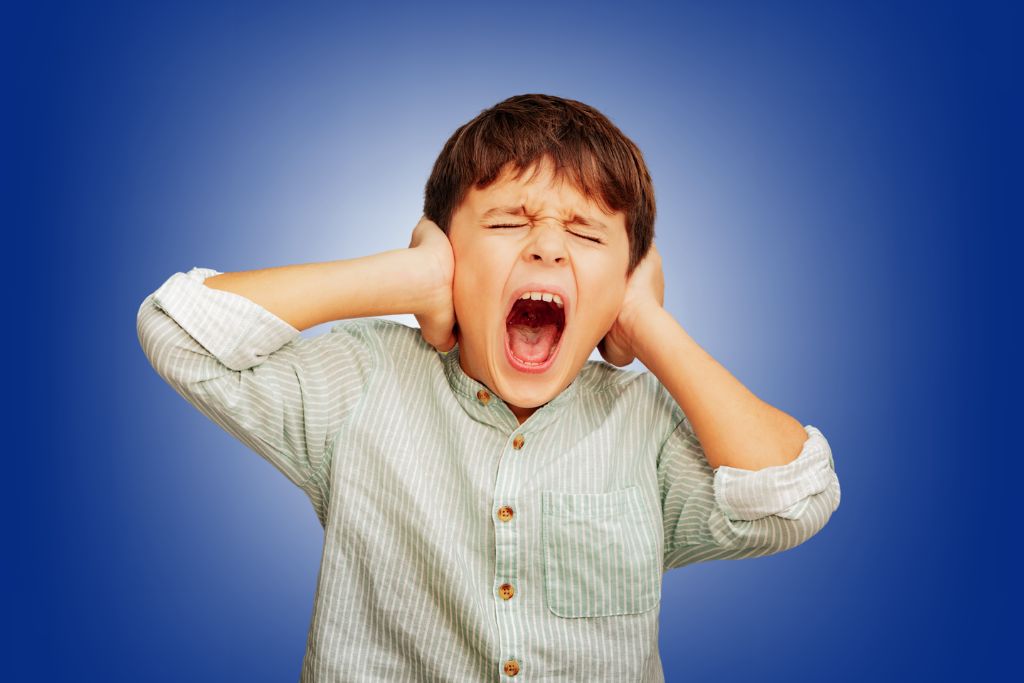
If your teen is anxious, moody, or shutting down over small triggers, you’re not imagining it and it’s not bad parenting. Emotional outbursts, school avoidance, and defiance often stem from a dysregulated child nervous system. In this episode, I share parenting tips for anxious teens and practical tools that calm the brain first so your teen can feel safe, focus, and build resilience.
Many teens hide their feelings or struggle to name what’s happening inside. Anxiety can show up in subtle ways, headaches, stomachaches, irritability, or sleep changes, long before parents realize it’s a bigger issue.
Tips for noticing early signs:
Parent story: A teen repeatedly complained of stomach aches before school. With early recognition and validation, parents were able to address underlying anxiety instead of punishing the behavior.
Unchecked avoidance gives short-term relief but increases long-term fear. Teens may resist schoolwork, social events, or responsibilities because the nervous system is constantly on high alert.
Try this:
If you’re tired of walking on eggshells or feeling like nothing works…
Get the FREE Regulation Rescue Kit and finally learn what to say and do in the heat of the moment.
Become a Dysregulation Insider VIP at www.drroseann.com/newsletter and take the first step to a calmer home.
Before teaching coping skills or problem-solving, regulate the nervous system. A dysregulated teen cannot think clearly or control impulses.
Strategies that work:
Parent example: After a 5-minute breathing exercise, a teen was able to complete homework calmly instead of spiraling.
Teens learn to manage anxiety when parents label emotions and provide space to feel them safely.
Examples:
It’s natural to try to fix problems immediately, but accommodating anxious behaviors can strengthen avoidance patterns.
Try instead:
Body-based regulation supports emotional stability. Movement, pressure input, or calming exercises help teens feel grounded before using cognitive strategies.
Tips:
Academic stress can escalate dysregulation. Teens may freeze during tests, avoid assignments, or misinterpret instructions due to the anxious brain.
Support strategies:
Nutrition, sleep, and magnesium can reduce physiological stress that amplifies anxiety. A regulated nervous system improves mood, focus, and responsiveness to interventions.
Parents are co-regulators. Teens mirror your emotional state, so your regulation shapes theirs.
Modeling tips:
Anxiety in teens isn’t laziness or defiance, it’s a signal of a stressed nervous system. Calm the brain first, then build coping skills and structured routines. With consistent practice, your teen can regain focus, resilience, and confidence.
You do not need more parenting tricks. You need to understand what is happening in your child’s nervous system. Parents who feel completely stuck finally find relief in The Dysregulated Kid. Read it today.
Look for persistent physical symptoms, school refusal, withdrawal, or panic. Professional support is essential if daily life is impacted.
Yes. Boys often show irritability, shutdowns, or anger rather than verbalizing worry.
CBT helps, but teens often need somatic tools, sensory regulation, and co-regulation to reinforce brain calming first.
Yes. Avoidance narrows experiences and reinforces fear, making regulation and skill-building harder.
Absolutely. When a dysregulated teen resists, it’s often fear or overwhelm, not intentional misbehavior.
Next Step:Every child’s journey is different. That is why cookie cutter solutions do not work. Take the free Solution Matcher Quiz and get a customized path to support your child’s emotional and behavioral needs.
Start today at www.drroseann.com/help
Dr. Roseann Capanna-Hodge is a licensed therapist, certified school psychologist, and leading expert in emotional dysregulation in children. With over 30 years of experience, she helps parents understand the root causes of meltdowns, anxiety, ADHD, and challenging behavior through the lens of nervous system regulation. Dr. Roseann teaches practical, science-backed strategies for co-regulation and how to calm a dysregulated child using her Regulation First Parenting™ approach. She is the host of the Dysregulated Kids Podcast and author of The Dysregulated Kid.
Dr. Roseann Capanna-Hodge
Emotional Dysregulation in Children & Nervous System Expert
Regulation First Parenting™ | CALMS Protocol™
Host of the Dysregulated Kids Podcast (Top 1% Globally)
Author of The Dysregulated Kid