Find Your Solution
In 3 minutes, you’ll know where to start ➤
%20.png)





Estimated Reading Time: 5 minutes
If you’re walking on eggshells, constantly questioning if you’re doing “enough,” you’re not alone. Raising a child with ADHD can feel overwhelming, confusing, and isolating. Raising a child with ADHD isn’t about fixing the child, it’s about understanding their brain, regulating the nervous system, and teaching skills the ADHD brain struggles to access naturally.
In this episode, I break down the myths, explain why discipline doesn’t always work, and share strategies to help your child thrive both at home and school using Regulation First Parenting™.
Neurodivergent children aren’t broken—they’re differently wired. Focusing on strengths and interests instead of deficits decreases friction and builds confidence.
Try this:
Parent story: A child who resisted homework flourished when parents tied math practice to his interest in coding puzzles.
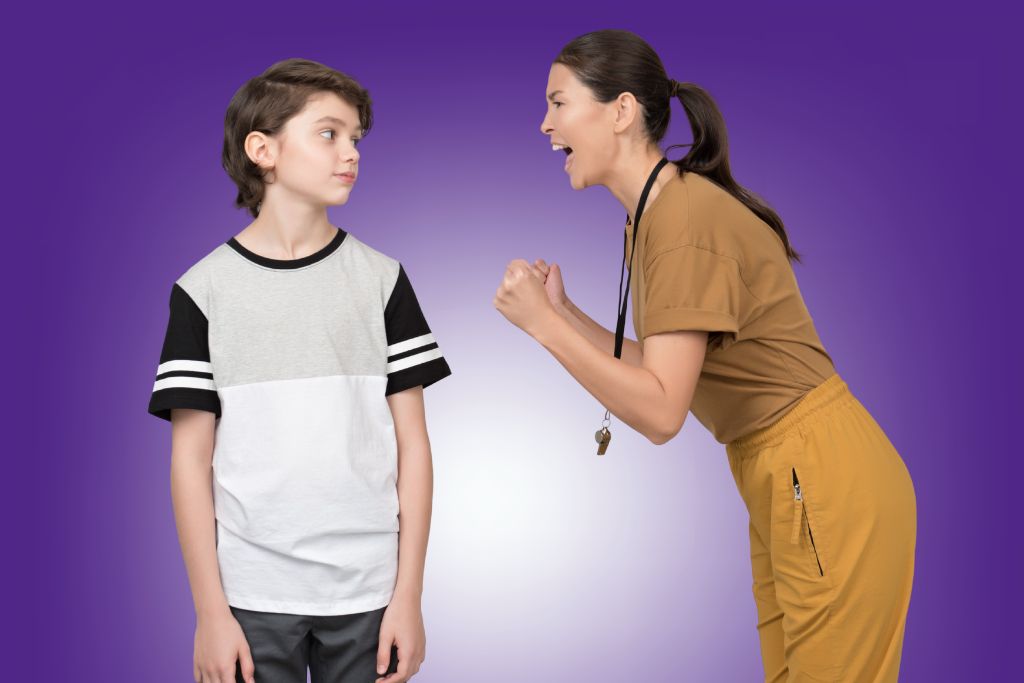
Punishment doesn’t address the neurological roots of ADHD. Consequences alone won’t improve focus, impulse control, or emotional regulation.
Instead:
Takeaway: Behavior is communication. ADHD challenges are dysregulation, not defiance.
Many children with ADHD hyperfocus on enjoyable activities but struggle with low-interest tasks. This isn’t laziness, it’s the brain seeking stimulation.
Strategies:
Parent story: A child could spend hours on Legos but struggled to start homework. Small breaks and interest-linked strategies improved follow-through.
Predictable routines help the ADHD brain regulate without creating stress. Structure = safety, not control.
Tips:
Takeaway: Structure supports nervous system regulation in children, helping them complete tasks and reduce anxiety.
Executive functioning challenges make it hard for children to plan or visualize outcomes. Using visual cues and explicit instructions strengthens follow-through.
Examples:
Parent story: A teen with ADHD improved homework initiation when parents used visual cues and end-result language consistently.
Nutrition, movement, and brain-based tools like PEMF (when appropriate) support regulation, focus, and emotional balance.
Home strategies:
Takeaway: Support the brain first, everything else follows.
Raising a child with ADHD is not about punishment, it’s about understanding, regulating, and scaffolding skills. Regulation First Parenting™ gives parents the roadmap to calm their child’s nervous system so learning and connection can follow.
For more insight, listen to You Can’t Discipline Out ADHD and Neurodivergence to explore additional strategies for building calm, focus, and independence.
You do not need more parenting tricks. You need to understand what is happening in your child’s nervous system. Parents who feel completely stuck finally find relief in The Dysregulated Kid. Read it today.
Yes. ADHD reflects differences in brain regulation, attention, and executive functioning, not laziness or poor parenting.
Absolutely. Rules create safety and predictability, but they work best when paired with calm guidance and scaffolding.
Use structured routines, visual cues, step-by-step guidance, and co-regulation to model planning, focus, and follow-through.
Yes. Supplements, movement, and sensory supports can improve nervous system regulation and emotional control.
Start with co-regulation. Calm the nervous system first, then guide with micro-steps.
.Not sure where to start?
Take the guesswork out of helping your child.Use our free Solution Matcher to get a personalized plan based on your child’s unique needs—whether it’s ADHD, anxiety, mood issues, or emotional dysregulation. In just a few minutes, you'll know exactly what support is right for your family.
Start here: www.drroseann.com/help
Dr. Roseann Capanna-Hodge is a licensed therapist, certified school psychologist, and leading expert in emotional dysregulation in children. With over 30 years of experience, she helps parents understand the root causes of meltdowns, anxiety, ADHD, and challenging behavior through the lens of nervous system regulation. Dr. Roseann teaches practical, science-backed strategies for co-regulation and how to calm a dysregulated child using her Regulation First Parenting™ approach. She is the host of the Dysregulated Kids Podcast and author of The Dysregulated Kid.
Dr. Roseann Capanna-Hodge
Emotional Dysregulation in Children & Nervous System Expert
Regulation First Parenting™ | CALMS Protocol™
Host of the Dysregulated Kids Podcast (Top 1% Globally)
Author of The Dysregulated Kid