Find Your Solution
In 3 minutes, you’ll know where to start ➤
%20.png)





Estimated Reading Time: 5 minutes
If your child struggles with anxiety, mood swings, or focus, you’re not alone. Natural remedies for childhood anxiety can help calm the nervous system first, so coping skills and learning can actually stick. This episode walks parents through diet, movement, supplements, and brain-based strategies that make a meaningful difference.
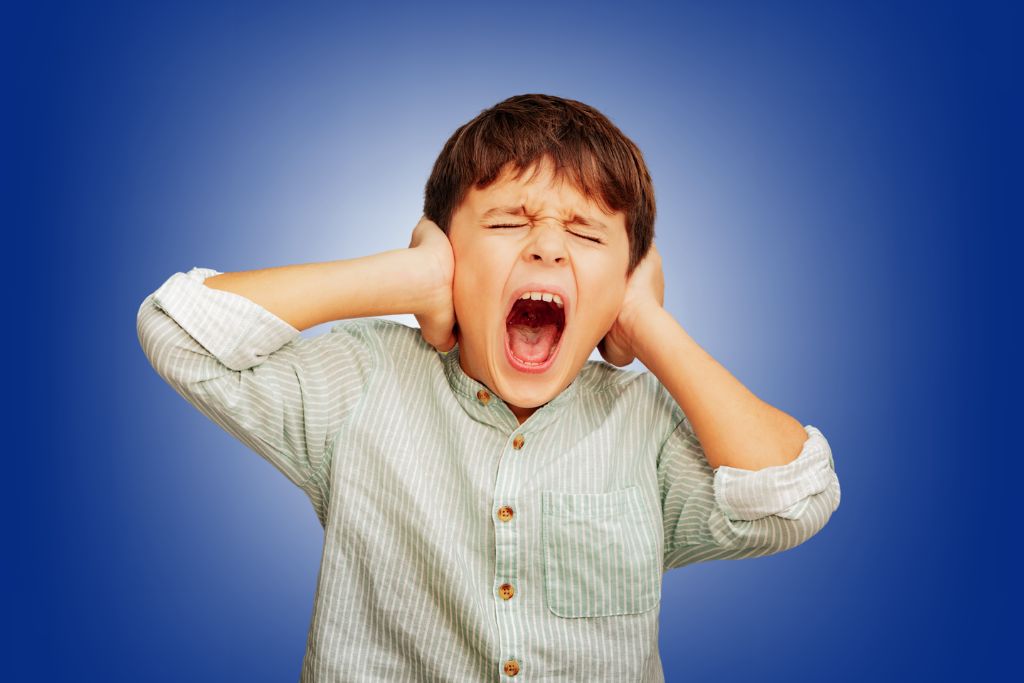
Anxiety isn’t laziness, it’s a sign of a dysregulated brain. Addressing it naturally supports the nervous system regulation in children.
Benefits of natural approaches:
Food directly impacts brain chemistry and behavior. An anti-inflammatory diet supports neurotransmitter balance and nervous system function.
Key tips:
Parent story: One child’s irritability decreased significantly after swapping sugary snacks for smoothies and whole-food options. Just by taking care of nutrition.
Magnesium supports calming neurotransmitters and sleep, helping children with anxiety in children and ADHD.
Recommended forms:
Parent insight: A child taking magnesium consistently had calmer evenings and fewer meltdowns.
Physical activity regulates the nervous system and reduces stress.
Practical ways to add movement:
Tip: Even 10–15 minutes of structured movement can significantly improve mood and attention.
Brain-based tools support emotional dysregulation in children by gently regulating the nervous system.
Benefits:
Parent example: A child using PEMF during stressful afternoons became calmer and completed homework more consistently.
If you’re tired of walking on eggshells or feeling like nothing works…
Get the FREE Regulation Rescue Kit and finally learn what to say and do in the heat of the moment.
Become a Dysregulation Insider VIP at www.drroseann.com/newsletter and take the first step to a calmer home.
Calm-first routines give children predictable signals that help the nervous system regulate.
Try this approach:
Parent tip: Modeling calm behavior teaches children how to self-regulate naturally.
🗣️ “Unlike conventional medications, holistic therapies offer a more sustainable solution by addressing the underlying causes of anxiety.” — Dr. Roseann
Children often resist changes when stressed. Small, incremental adjustments work best.
Tips:
Even with natural supports, some children may need expert input for persistent anxiety.
Look for professionals who:
Regulation First Parenting™ works because it addresses the root of dysregulated behavior: the nervous system. Instead of reacting to challenging behaviors, parents first calm their own nervous system and then guide the child through structured, predictable support.
Key ways it changes outcomes:
Parent story: A child with ADHD and anxiety used to explode every morning before school. By applying Regulation First Parenting™, calm co-regulation, structured breakfast and movement routine, the child learned to settle, follow directions, and arrive at school ready to learn.
Natural remedies for childhood anxiety aren’t a quick fix, they’re a foundation. When we calm the nervous system first and pair it with movement, nutrition, and structured routines, children can regulate emotions, improve focus, and thrive.
Next steps: Try one small change today, add a protein-rich snack, a few minutes of movement, or magnesium supplementation and notice how your child’s nervous system responds.
You don’t need to be a perfect parent; you just need a roadmap that actually works for a dysregulated nervous system. Grab your copy of The Dysregulated Kid and bring peace back to your home tonight:
.png)
Magnesium, anti-inflammatory nutrition, daily movement, and brain-based tools like PEMF and neurofeedback help calm the nervous system.
Yes. A nutrient-dense, anti-inflammatory diet supports neurotransmitters and reduces brain-body inflammation.
Yes. Forms like glycinate and L-threonate are well tolerated; discuss dosing with your healthcare provider.
Feel like you’ve tried everything and still don’t have answers?
The Solution Matcher helps you find the best starting point based on your child’s symptoms and history. It’s fast, free, and built on decades of clinical expertise.
Get your personalized plan now at www.drroseann.com/help.
Dr. Roseann Capanna-Hodge is a licensed therapist, certified school psychologist, and leading expert in emotional dysregulation in children. With over 30 years of experience, she helps parents understand the root causes of meltdowns, anxiety, ADHD, and challenging behavior through the lens of nervous system regulation. Dr. Roseann teaches practical, science-backed strategies for co-regulation and how to calm a dysregulated child using her Regulation First Parenting™ approach. She is the host of the Dysregulated Kids Podcast and author of The Dysregulated Kid.
Dr. Roseann Capanna-Hodge
Emotional Dysregulation in Children & Nervous System Expert
Regulation First Parenting™ | CALMS Protocol™
Host of the Dysregulated Kids Podcast (Top 1% Globally)
Author of The Dysregulated Kid