Logo

Find Your Solution

In 3 minutes, you’ll know where to start ➤

Join the Dysregulation Insider get free calm parenting tips straight to your inbox!

YES, I'M IN!

PANS PANDAS Recovery in Children and Teens? | Nervous System Strategies | E170

March 11, 2024
Exploring challenges and recovery from PANS and PANDAS, emphasizing the importance of guidance and early intervention for children's care.
Apple podcast subscribeCastbox subscribeSpotify subscribeAmazon music subscribeaudible subscribe
<div style="width: 100%; height: 200px; margin-bottom: 20px; border-radius: 6px; overflow: hidden;"><iframe style="width: 100%; height: 200px;" frameborder="no" scrolling="no" allow="clipboard-write" seamless src="https://player.captivate.fm/episode/2415540c-33d4-4897-941d-f9fdd7a299ce/"></iframe></div>

Estimated Reading Time: 6 minutes

When your child suddenly develops OCD, tics, anxiety, or extreme behavioral changes, it can feel terrifying and isolating. You’re not alone— and it’s not bad parenting. Understanding PANS/PANDAS recovery starts with recognizing how a dysregulated nervous system drives these symptoms and how to support your child effectively.

In this episode, I explain the key barriers to recovery, strategies to regulate the nervous system, and the holistic approaches that truly help children thrive.

Why Recovery from PANS and PANDAS Can Feel So Difficult

Even with proper care, families often struggle when nervous system overactivation or inadequate detoxification is present.

Key factors that impede recovery:

  • Sympathetic dominance: fight-flight-freeze responses consume the body’s energy
  • Chronic nervous system stress prevents rational functioning
  • Ineffective detoxification allows inflammation and toxins to persist
  • Environmental exposures to chemicals in plastics, carpets, and household products
  • Emotional Dysregulation in Children

Parent insight: Families often feel hopeless after repeated flares, but addressing these factors lays the foundation for true PANS/PANDAS recovery.

How a Dysregulated Nervous System Blocks Healing

A stressed nervous system makes it difficult for children to calm, focus, or process interventions.

Signs of dysregulation:

  • Meltdowns triggered by minor events
  • Heightened anxiety and obsessive behaviors
  • Difficulty sleeping or calming down

Parent story: One child remained reactive despite antibiotics until PEMF and neurofeedback were added to calm the nervous system.

Takeaway: Behavior is communication, and calming the nervous system first is essential for progress.

Effective Tools to Support Recovery

Using brain-based supports alongside medical treatments can accelerate recovery.

Supports include:

  • PEMF therapy for nervous system regulation
  • Neurofeedback and biofeedback to train brainwave patterns
  • Breathwork and meditation to anchor the nervous system
  • Consistent routines and sensory supports to stabilize emotional regulation

Tip: These tools complement medical or immune therapies, they do not replace them.

How Do I Know if It’s Really PANS/PANDAS or Something Else?

Many parents ask this on forums, Google, and support groups because early symptoms can look like anxiety, ADHD, sensory issues, or behavioral problems.

Signs that point toward PANS/PANDAS rather than typical developmental issues:

  • Overnight or very rapid onset of symptoms
  • Multiple symptom domains at once (OCD, tics, anxiety, emotional swings)
  • Regression in skills (school performance, handwriting, speech patterns)
  • Physical signs like frequent urination or sleep disruptions
  • Clear trigger events (infection, strep exposure, immune stressors)

What parents commonly miss:
Behavior that looks like defiance, ADHD, or typical emotional dysregulation can actually be a sign of immune‑mediated neuroinflammation especially when it appears suddenly.

Practical steps parents search for:

  • Track symptom onset in a journal (date, trigger, behavior)
  • Ask straight questions like: “Did symptoms start suddenly or gradually?”
  • Share symptom patterns with clinicians in objective terms
  • Consider seeking second opinions from PANS/PANDAS specialists

Takeaway: If your child’s behavior changed suddenly and dramatically, especially after an infection or stressor, it’s worth exploring PANS/PANDAS with a provider experienced in immune‑neurological conditions.

The Role of Nutrition and Supplements

Nutrient depletion can worsen symptoms and hinder PANS/PANDAS recovery.

Key supports:

  • Magnesium to calm the nervous system
  • Anti-inflammatory diet to reduce stress and inflammation
  • Hydration and balanced meals to support immune function

Parent story: A teen with frequent PANDAS flares improved when magnesium and consistent meals were added alongside behavioral supports.

🗣️ “It’s not bad parenting, it’s a dysregulated brain. When we calm the nervous system and address underlying inflammation, kids CAN heal.” — Dr. Roseann

Prioritizing Parent Nervous System Regulation

Parents’ nervous system state directly influences a dysregulated child.

Strategies for caregivers:

  • Practice 5–10 minutes of deep breathing or mindfulness daily
  • Maintain consistent sleep and stress-management routines
  • Model calm, flexible responses in stressful moments
  • Learn Co-Regulation Techniques.

Parent insight: A calm parent helps the dysregulated child borrow regulation until they can manage their own responses.

Finding the Right Provider and Support System

Selecting an expert familiar with PANS and PANDAS is critical for recovery.

Considerations:

  • Look for providers with experience in immune, detox, and nervous system interventions
  • Seek guidance on MTHFR or other genetic considerations that impact detox pathways
  • Access parent coaching for consistent at-home strategies

Takeaway: Hope and progress are possible when families find providers who understand the complexity of nervous system regulation in children.

Takeaway & Next Steps

Recovery from PANS and PANDAS is multifaceted. By addressing emotional dysregulation in children, supporting the nervous system, providing nutritional support, and using brain-based interventions, children can regain stability, focus, and emotional resilience.

If you want additional guidance, explore the Natural PANS/PANDAS Parent Kit and step-by-step resources to support regulation, coping, and recovery.

Natural Pans Pandas Parent Kit

FAQs

What are the biggest barriers to PANS/PANDAS recovery?

Overactive nervous system, poor detox pathways, inflammation, and untreated genetic factors.

Can PEMF or neurofeedback really help?

Yes. They calm the nervous system, improve regulation, and enhance response to other treatments.

How do nutrition and supplements support recovery?

Magnesium and anti-inflammatory diets reduce stress, support emotional regulation, and complement medical care.

How important is parent regulation?

Crucial. Children mirror parent nervous systems, so calm caregivers anchor and co-regulate dysregulated kids.

Do environmental toxins affect recovery?

Yes. Everyday exposures can exacerbate inflammation. Detox and lifestyle interventions help minimize triggers.

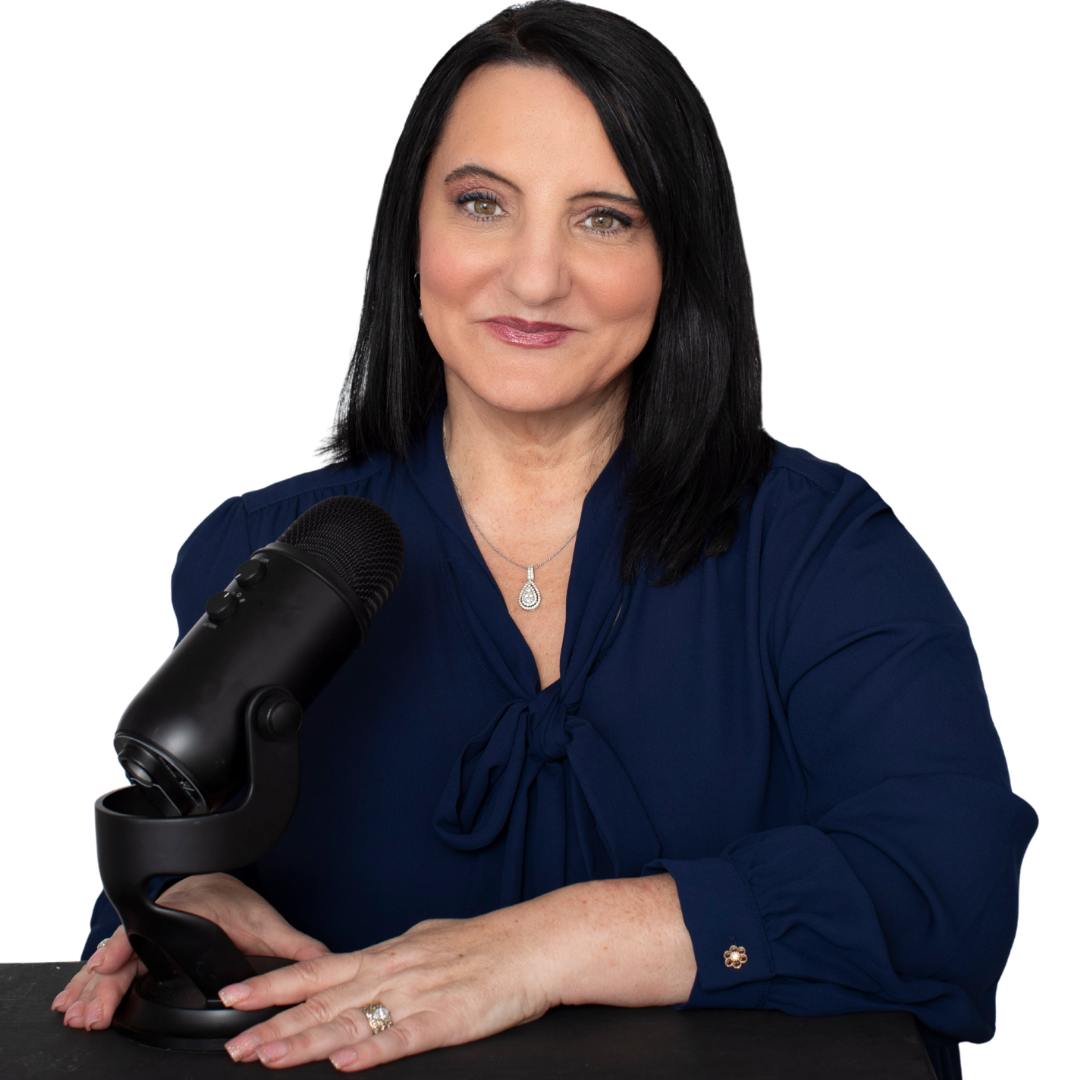
Dr. Roseann Capanna-Hodge is a licensed therapist, certified school psychologist, and leading expert in emotional dysregulation in children. With over 30 years of experience, she helps parents understand the root causes of meltdowns, anxiety, ADHD, and challenging behavior through the lens of nervous system regulation. Dr. Roseann teaches practical, science-backed strategies for co-regulation and how to calm a dysregulated child using her Regulation First Parenting™ approach. She is the host of the Dysregulated Kids Podcast and author of The Dysregulated Kid.

Dr. Roseann Capanna-Hodge
Emotional Dysregulation in Children & Nervous System Expert
Regulation First Parenting™ | CALMS Protocol™
Host of the Dysregulated Kids Podcast (Top 1% Globally)
Author of The Dysregulated Kid

Find this helpful? Leave us a review!

If you found yourself nodding along while listening, take a moment to follow and leave a quick review on Apple Podcasts.
Your feedback helps more overwhelmed parents find calm, clarity, and the proven tools that make everyday life easier.

Dr. Roseann Capanna-Hodge: Helping Families of Dysregulated Kids Thrive Through Regulation First Parenting™

Dr. Roseann believes every family deserves to move from chaos to connection—and that transformation begins with addressing emotional dysregulation in children at its true source: the nervous system.

As the creator of Regulation First Parenting™, she’s helping families of dysregulated kids discover a compassionate, brain-based path forward. Through The Dysregulated Kids™ Podcast (top 2% globally), she offers practical strategies that help parents understand their child’s brain and support lasting change.

Through The Global Institute of Children’s Mental Health and Dr. Roseann, LLC, she’s created resources like the Neurotastic™ Brain Formulas and the Regulation First Parenting™ framework—meeting families where they are and supporting them through challenges like ADHD, anxiety, OCD, PANS/PANDAS, and behavioral struggles.

Recognized by Forbes as “a thought leader in children’s mental health,” Dr. Roseann is changing how we understand emotional dysregulation in children—one family at a time.
Website-Photos-Update-2

More Podcast Episodes: