Find Your Solution
In 3 minutes, you’ll know where to start ➤
%20.png)





Estimated reading time: 6 min
If you’re parenting a cranky, snarky, or chronically irritable child, I want you to know you’re not failing—your child is dysregulated. And that means we need strategies that calm the brain first before we can ever expect respectful communication.
Today, I’m sharing the core disrespectful behavior strategies I use with families every day so you can create more harmony, predictability, and trust at home.
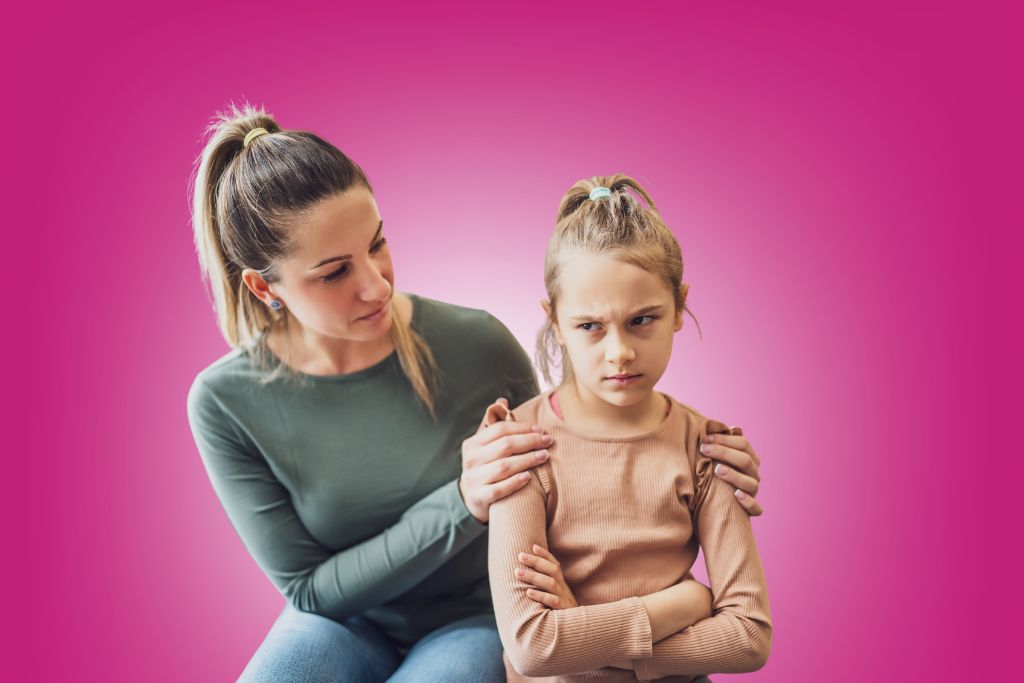
Start with you—and I say that with love. When your child’s nervous system is inflamed or overwhelmed, they borrow your regulation. That’s why your own calm is the foundation of every strategy.
How to do this:
When my son’s irritation spikes, I remind myself that his nervous system is in control—not his intentions. That shift alone changes everything.
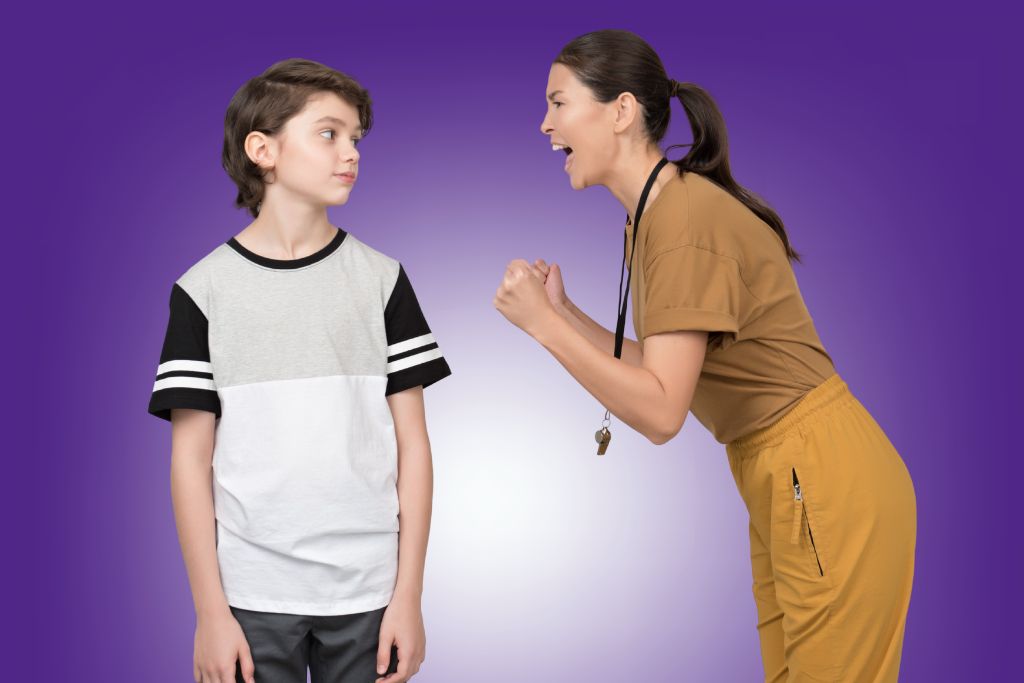
One word: stop fact fighting. Dysregulated kids don’t have access to logic. Getting into the weeds of who did what only escalates both brains.
Try instead:
You won’t “win” an argument with a dysregulated child—so stop trying to fight a battle their brain can’t handle.
This isn’t bribery—it’s neuroscience. A dysregulated brain needs frequent cues about what to repeat.
Reinforce:
Instead of: “You didn’t finish your homework.”
Try: “You got 70% done—great job sticking with it. What’s getting in the way of the last part?”
This reframes their brain toward success rather than shame.
Because routines make life predictable—and predictability helps regulation.
What routines help:
Expect 10 days of pushback during any new routine. That’s the behavior curve, not your kid being impossible.
Yelling less and staying calm isn’t about being perfect—it’s about having the right tools. Join the Dysregulation Insider VIP list and get your FREE Regulation Rescue Kit, designed to help you handle oppositional behaviors without losing it. Download it now at www.drroseann.com/newsletter.
Trust grows from consistent connection, not perfection. Even small daily moments—cooking, a walk, shooting hoops—build safety.
When the relationship feels strained or broken, a therapist can help you rebuild communication and move out of the “you vs. them” mindset.
🗣️ “Disrespectful behavior isn’t fixed by punishment—it’s transformed by regulation, connection, and consistent support.” — Dr. Roseann
Your child’s disrespect isn’t a character flaw—it’s a regulation challenge. When you focus on calming the nervous system, setting clear boundaries, and reinforcing positive steps, everything starts to shift. If you want deeper guidance, listen next to Failure to Launch Strategies, where I unpack how regulation shapes independence. You’re doing better than you think, and your child can absolutely thrive.
The chaos in your home isn’t a character flaw; it’s a nervous system screaming for a different approach. Learn exactly what to do next in The Dysregulated Kid.
Start with your own regulation. A calm brain leads the way for your child’s nervous system to settle.
Keep it short and calm. Save discussions for a regulated moment.
Their nervous system is wired to react to intensity. We want to rewire it by reinforcing calm instead.
Feel like you’ve tried everything and still don’t have answers?
The Solution Matcher helps you find the best starting point based on your child’s symptoms, behaviors, and history. It’s fast, free, and based on decades of clinical expertise. Get your personalized plan now at www.drroseann.com/help
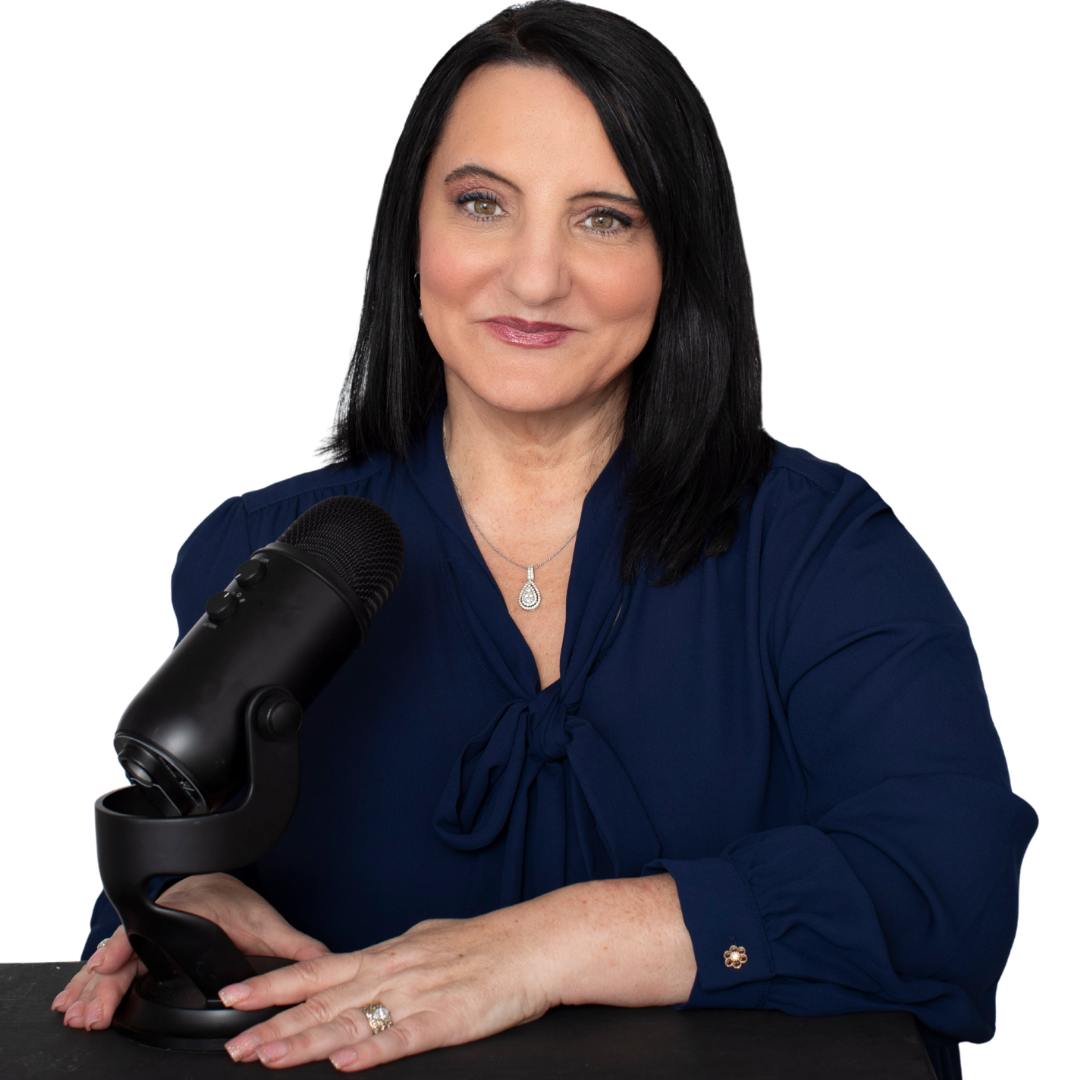
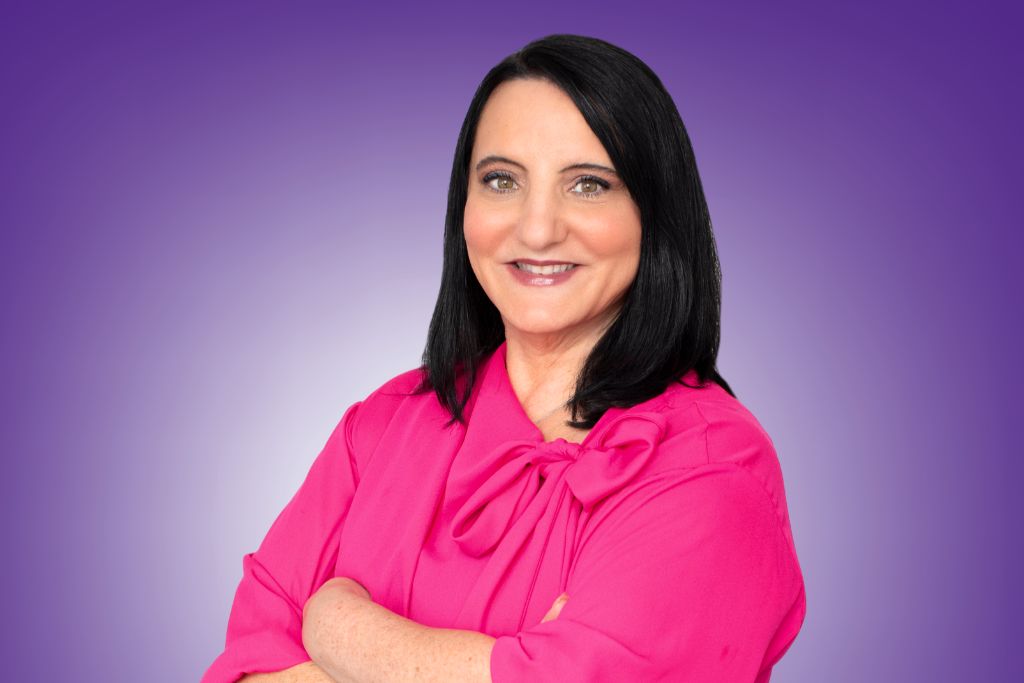
Dr. Roseann Capanna-Hodge is a licensed therapist, certified school psychologist, and leading expert in emotional dysregulation in children. With over 30 years of experience, she helps parents understand the root causes of meltdowns, anxiety, ADHD, and challenging behavior through the lens of nervous system regulation. Dr. Roseann teaches practical, science-backed strategies for co-regulation and how to calm a dysregulated child using her Regulation First Parenting™ approach. She is the host of the Dysregulated Kids Podcast and author of The Dysregulated Kid.
Dr. Roseann Capanna-Hodge
Emotional Dysregulation in Children & Nervous System Expert
Regulation First Parenting™ | CALMS Protocol™
Host of the Dysregulated Kids Podcast (Top 1% Globally)
Author of The Dysregulated Kid