Find Your Solution
In 3 minutes, you’ll know where to start ➤
%20.png)





Estimated Reading Time: 10 Minutes
Every child experiences emotional ups and downs.
As children grow, develop independence, and navigate new challenges, mood swings, frustration, and occasional disrespectful behavior are common parts of development.
But sometimes emotional and behavioral changes go beyond what's typical and may signal a child mood disorder.
Knowing the difference is important.
The earlier parents recognize concerning patterns, the sooner children can get the support they need to improve emotional regulation, strengthen coping skills, and thrive.
In this episode, we break down how to distinguish typical childhood behavior from signs of a mood disorder and what parents should watch for when evaluating their child's emotional well-being.
One of the most important questions parents ask is whether their child's behavior is simply a developmental phase or something more significant.
The answer often comes down to three key factors:
Children naturally go through phases of moodiness, irritability, and emotional ups and downs.
For example:
These changes are often temporary and improve with time.
A child mood disorder, however, tends to persist and significantly interfere with daily functioning.
Real-Life Example
A 13-year-old who occasionally becomes moody after school may be displaying typical developmental behavior. A child who remains persistently angry, irritable, or emotionally volatile for months with no improvement may need additional evaluation.
When evaluating mood concerns, one of the first things to consider is how long the behavior has been occurring.
Typical developmental behaviors tend to:
Mood disorders often involve symptoms that:
A child who has been struggling with significant mood changes for six months or longer may require a closer look at what is driving those behaviors.
Patterns matter.
As I often tell parents, don't focus on one bad day. Look for repeated patterns over time.
Every child has difficult moments.
The difference often lies in how intense those moments become and how quickly a child can recover afterward.
Children experiencing normal frustration may:
Children with mood disorders often:
The nervous system has difficulty shifting back into a regulated state.
This can make emotional recovery much harder.
Real-Life Example
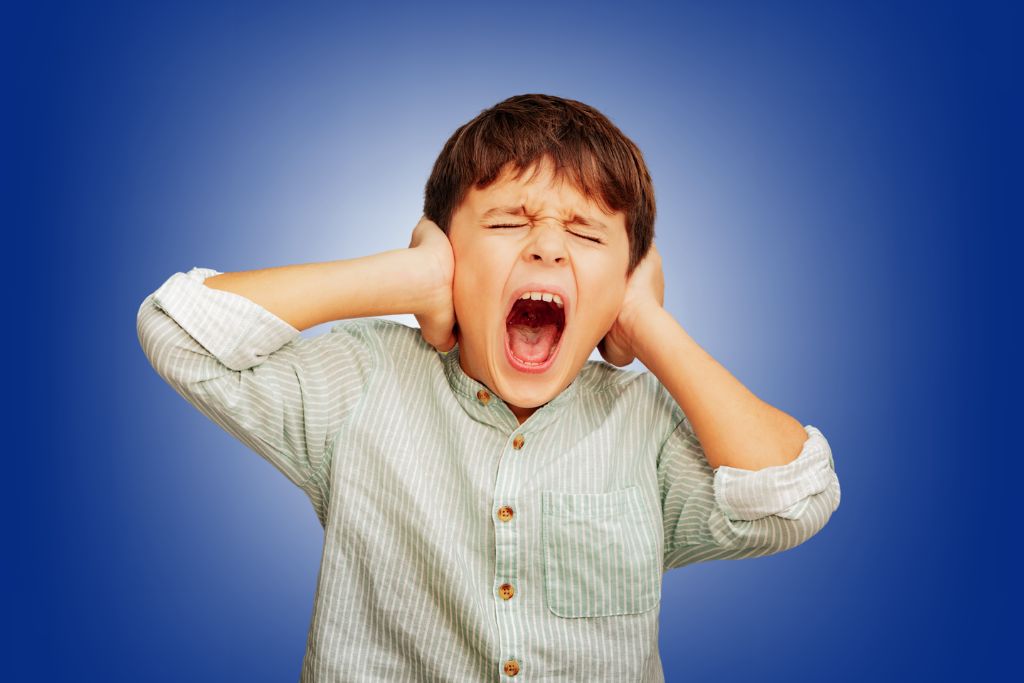
A child who remains angry, tearful, or emotionally overwhelmed for hours after a small disappointment may be struggling with more than typical moodiness.
One of the clearest indicators that something more significant may be occurring is when emotional struggles begin interfering with daily life.
Ask yourself:
When mood challenges begin affecting relationships, learning, participation, or overall well-being, additional support may be needed.
Behavior always has consequences beyond the moment itself.
The impact on functioning often tells us how serious the concern may be.
Mood disorders can present differently depending on the child, but some common signs include:
Physical symptoms may also occur.
Children struggling with mood disorders often experience:
The nervous system and emotional health are deeply connected.
When a child's nervous system remains dysregulated, mood symptoms often become more intense.
Mood disorders are frequently confused with other conditions.
Children who struggle with emotional regulation may receive diagnoses related to:
In many cases, there are overlapping symptoms.
This is why understanding root causes is so important.
As I often say, behavior is communication.
When we focus only on surface behaviors, we may miss what's actually driving them.
Understanding a child's nervous system, developmental history, family history, and emotional patterns provides valuable insight into what support they truly need.
One of the biggest challenges children with mood disorders face is emotional regulation.
When the nervous system becomes overwhelmed, emotions can feel much bigger and harder to manage.
Children often struggle with:
This doesn't mean they are being difficult on purpose.
It means their nervous system may need additional support.
When parents focus on regulation first, children are more likely to access the coping skills they need.
As I often say, calm the brain first, everything else follows.
The Regulation Rescue Kit provides practical Regulation First Parenting™ tools that help reduce stress, improve emotional regulation, and create more peace at home. Become a Dysregulation Insider VIP and get your FREE kit: www.drroseann.com/newsletter
🗣️ “The difference between a phase and a mood disorder isn't one difficult day. It's the pattern, intensity, and impact on a child's life.” — Dr. Roseann
Understanding a child mood disorder starts with looking beyond individual behaviors and paying attention to patterns over time.
Children will naturally experience emotional ups and downs as they grow.
But when moodiness becomes persistent, intense, and disruptive, it's important to look deeper.
Trust your observations.
Pay attention to duration.
Notice the impact on daily life.
And remember, early support can make a tremendous difference.
It's gonna be OK.
A child mood disorder is a mental health condition that affects a child's emotional state, behavior, and ability to regulate emotions. Symptoms often persist over time and interfere with daily functioning.
Typical moodiness tends to be temporary, less intense, and does not significantly impact school, relationships, or family life. Persistent patterns may warrant further evaluation.
Common signs include irritability, mood swings, emotional outbursts, hopelessness, sleep problems, impulsivity, social difficulties, and challenges with emotional regulation.
Yes. Emotional dysregulation, impulsivity, and concentration difficulties can overlap with ADHD symptoms, making accurate evaluation important.
If emotional or behavioral symptoms persist, intensify, or interfere with school, relationships, or daily functioning, it may be time to seek professional support.
Not sure where to start? Use the Solution Matcher to get personalized recommendations based on your child's emotional and behavioral needs. Start here: www.drroseann.com/help
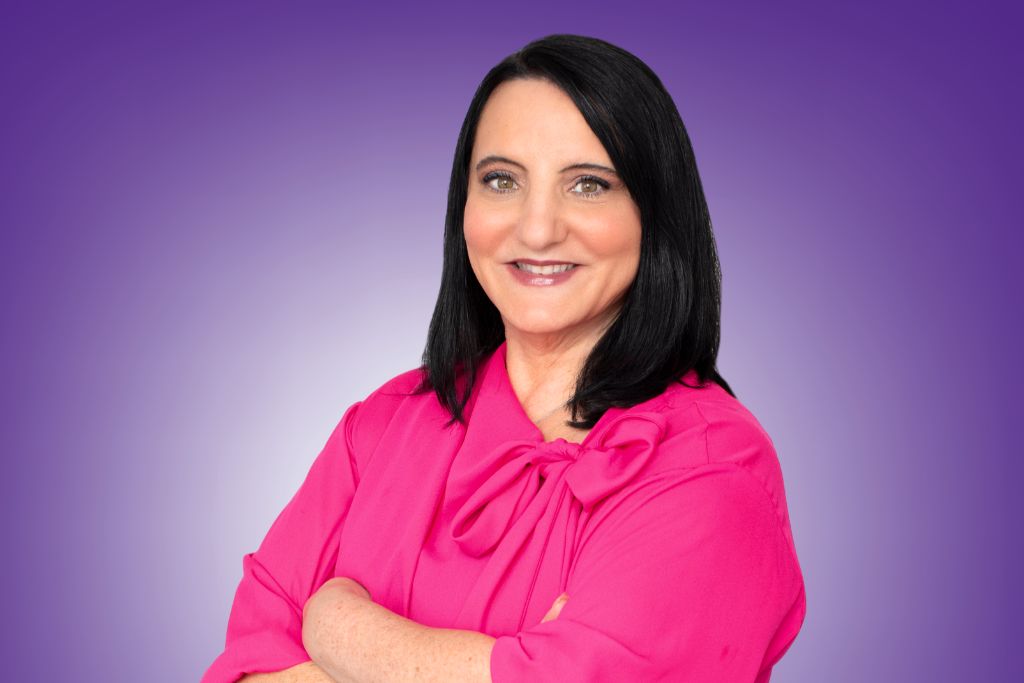
Dr. Roseann Capanna-Hodge is a licensed therapist, certified school psychologist, and leading expert in emotional dysregulation in children. With over 30 years of experience, she helps parents understand the root causes of meltdowns, anxiety, ADHD, autism, learning differences, and challenging behavior through the lens of nervous system regulation. She is the creator of Regulation First Parenting™, host of the Dysregulated Kids Podcast, and author of The Dysregulated Kid.
Dr. Roseann Capanna-Hodge
Emotional Dysregulation in Children & Nervous System Expert
Regulation First Parenting™ | CALMS Protocol™
Host of the Dysregulated Kids Podcast (Top 1% Globally)
Author of The Dysregulated Kid