Find Your Solution
In 3 minutes, you’ll know where to start ➤
%20.png)





Estimated Reading Time: 6 minutes
If your child has ADHD, you know how exhausting impulsivity, distractibility, and emotional ups and downs can be. You’re not alone. Many parents aren’t aware that nutrients like magnesium for ADHD can help calm the brain and support focus, emotional regulation, and sleep.
In this episode, I explain how magnesium impacts the nervous system, why deficiencies can worsen ADHD symptoms, and which forms are most effective for brain support.
Research shows children with ADHD often have low magnesium, which affects neurotransmitter balance and brain excitability. Low magnesium can make your child more reactive and less able to focus.
Key signs include:
Parent story: One mom described her son as “buzzing all day long.” After addressing his magnesium deficiency, his calm stretches increased, and explosive reactions decreased.
Magnesium regulates neurotransmitters, NMDA receptors, and synaptic plasticity—all essential for focus and self-control. When the ADHD brain is dysregulated, communication between these systems is disrupted.
Magnesium helps:
Takeaway: Your child can’t focus when the brain is stuck in an excitatory loop. Magnesium helps quiet that storm.
Many parents assume medication is the solution—but stimulants and other ADHD medications do not correct nutritional deficiencies. In some cases, they can worsen irritability or sleep struggles.
Areas magnesium supports that meds do not:
🗣️ “You can’t separate behavior from brain regulation and magnesium is one of the most important nutrients for helping the ADHD brain calm so it can learn.” — Dr. Roseann
Not all magnesium is created equal. Most gummies or low-dose blends do not reach clinical levels. The ADHD brain benefits most from forms that cross the blood-brain barrier and support neurotransmitter regulation.
Effective forms:
Individual responses vary, but many parents notice:
Most see meaningful shifts within 2–4 weeks when magnesium is combined with routines and regulation strategies.

Parent tip: Consistency matters. Daily use combined with behavioral strategies builds regulation over time.
When your child is dysregulated, it’s easy to feel helpless. The Regulation Rescue Kit gives you scripts and strategies to stay grounded and in control. Become a Dysregulation Insider VIP at www.drroseann.com/newsletter and get your free kit today.
Yes. Magnesium is generally safe when dosed appropriately and guided by a healthcare professional.
Magnesium glycinate, malate, and L-threonate are best for brain and nervous system support.
Yes. Magnesium supports GABA and nervous system regulation, improving sleep onset and quality.
Every child’s journey is different.
That’s why cookie-cutter solutions don’t work. Take the free Solution Matcher Quiz and get a customized path to support your child’s emotional and behavioral needs—no guessing, no fluff.
Start today at www.drroseann.com/help
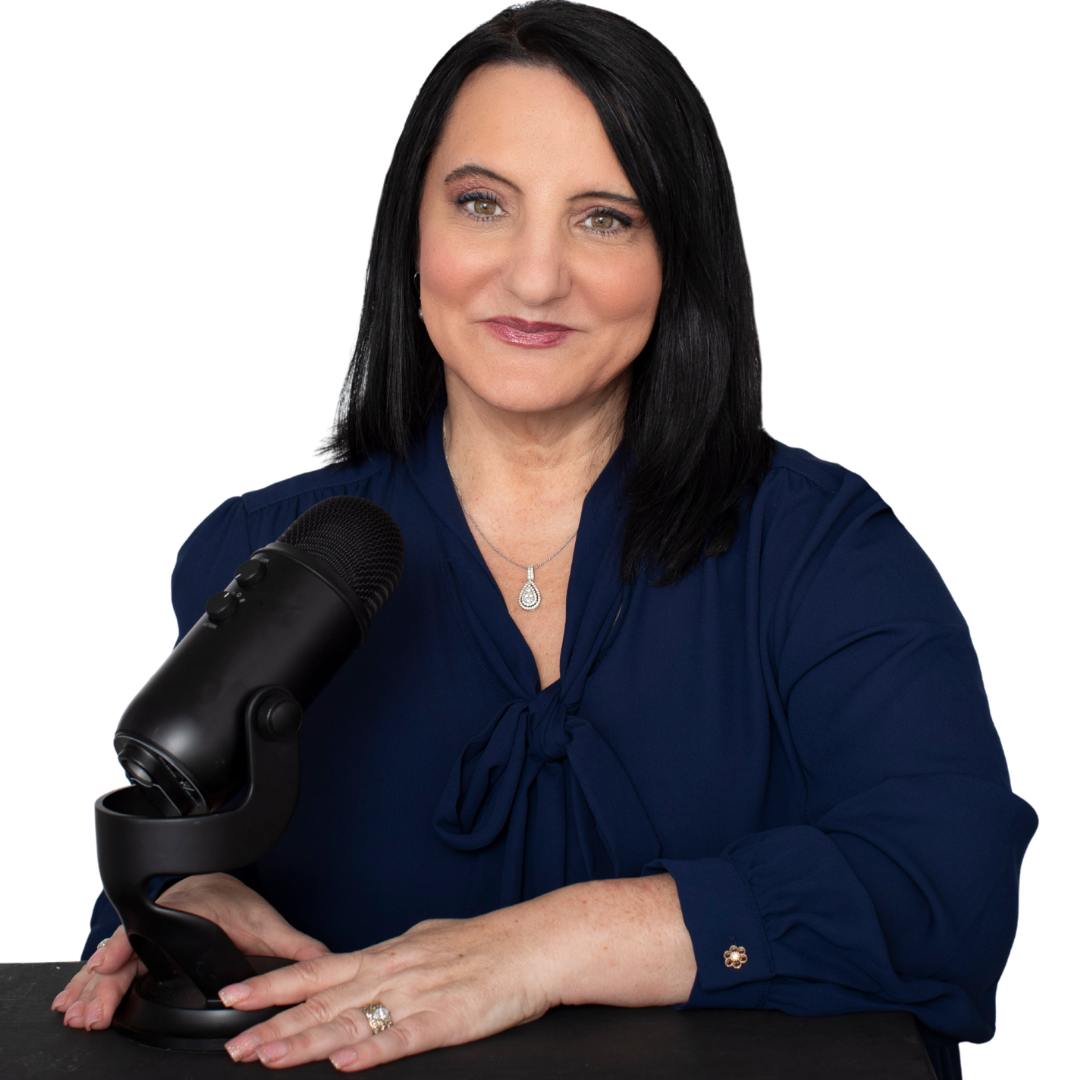
Dr. Roseann Capanna-Hodge is a licensed therapist, certified school psychologist, and leading expert in emotional dysregulation in children. With over 30 years of experience, she helps parents understand the root causes of meltdowns, anxiety, ADHD, and challenging behavior through the lens of nervous system regulation. Dr. Roseann teaches practical, science-backed strategies for co-regulation and how to calm a dysregulated child using her Regulation First Parenting™ approach. She is the host of the Dysregulated Kids Podcast and author of The Dysregulated Kid.
Dr. Roseann Capanna-Hodge
Emotional Dysregulation in Children & Nervous System Expert
Regulation First Parenting™ | CALMS Protocol™
Host of the Dysregulated Kids Podcast (Top 1% Globally)
Author of The Dysregulated Kid