Find Your Solution
In 3 minutes, you’ll know where to start ➤
%20.png)





Estimated Reading Time: 5 minutes
Parents often come to me saying, “Dr. Roseann, I don’t know why my child is struggling in school, could it be ADHD?” The truth is, not every focus problem is ADHD. There are many other brain-based reasons, like anxiety, dyslexia, executive functioning challenges, or even medical issues that impact emotional dysregulation in children and nervous system regulation in children and when we calm the brain first, everything gets easier.
ADHD is often diagnosed with a quick checklist, but that’s not the full story. Let’s look at the most common reasons behind learning and focus struggles so you can better understand what’s really going on.
Attention is alerting; executive functioning is planning. This is one of the most common reasons a child looks distracted but isn’t ADHD. Kids can focus but still fall apart with organization or long-term tasks.
Try this:
Kids with dyslexia or other learning issues use more brain energy to process, so they look inattentive when they’re simply exhausted. That mental fatigue often gets mistaken for lack of effort.
Support them by:
Once you reduce overload, attention and motivation improve.
Yes! Anxious or depressed kids can’t focus because their brains drift to worry or sadness.
Because their brain is stuck in a stress response, not a learning state.
What helps:
Head injuries, PANS/PANDAS, or Lyme can dysregulate the brain and impact nervous system regulation in children in significant ways. You may see sudden changes in mood or focus.
Next steps:
Address the physiology and behavior often settles naturally.
Autistic kids often have rigid thinking and executive challenges. They may excel in one subject but melt down in another.
Support them with:
When your child is dysregulated, it’s easy to feel helpless.
The Regulation Rescue Kit gives you the scripts and strategies you need to stay grounded and in control.
Become a Dysregulation Insider VIP at www.drroseann.com/newsletter and get your free kit today.
Often, opposition is stress not defiance. When tasks are too hard or confusing, frustration looks like refusal.
Try this:
🗣️ “It’s not bad parenting, it’s a dysregulated brain. Let’s calm the brain first, then connection and learning follow.” — Dr. Roseann
Start by calming the brain before correcting behavior. Once your child is regulated, explore root causes—learning, emotional, or medical.
That’s Regulation First Parenting™: Regulate → Connect → Correct.
If you’re wondering why my child is struggling in school, look deeper than a checklist. Once you calm the brain, learning follows.
For more insight, listen to “QEEG Brain Maps for ADHD, Learning Issues, and Autism.” You’re not alone.
Because when you regulate first, everything else follows.
Yes. Worry steals attention and memory. Calm the anxiety and focus returns.
It’s a noninvasive scan that shows brainwave activity and guides targeted supports.
1–3 minutes before fatigue sets in—movement and breathing help reset.
Use my free Solution Matcher to get a personalized plan for your child’s needs.
Start here: www.drroseann.com/help.
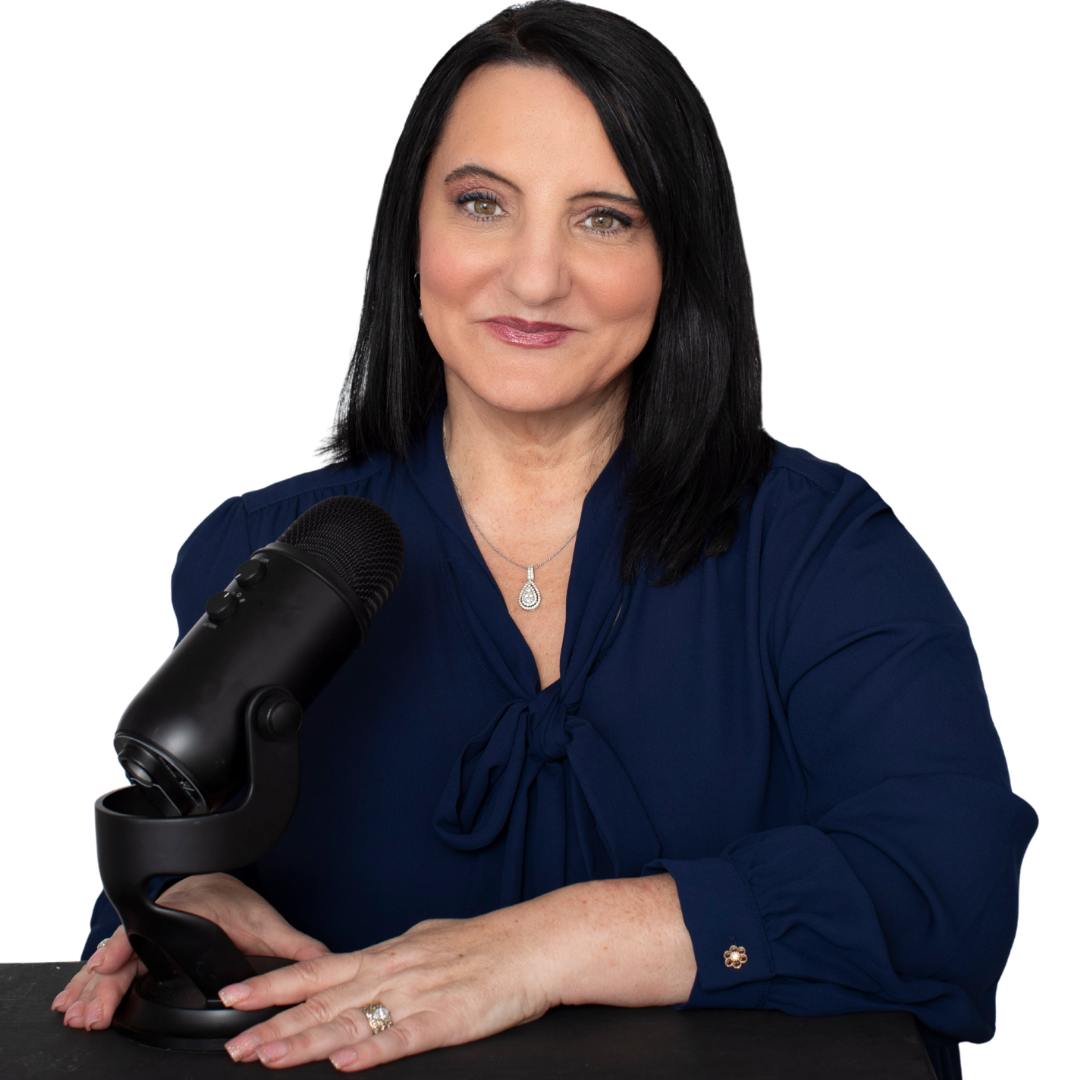
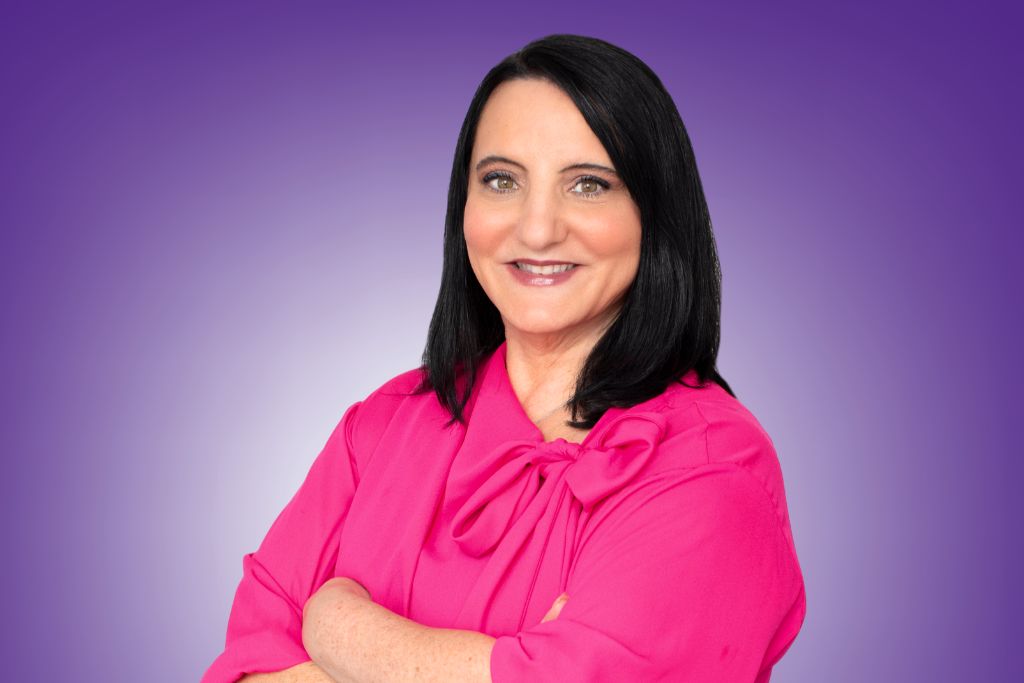
Dr. Roseann Capanna-Hodge is a licensed therapist, certified school psychologist, and leading expert in emotional dysregulation in children. With over 30 years of experience, she helps parents understand the root causes of meltdowns, anxiety, ADHD, and challenging behavior through the lens of nervous system regulation. Dr. Roseann teaches practical, science-backed strategies for co-regulation and how to calm a dysregulated child using her Regulation First Parenting™ approach. She is the host of the Dysregulated Kids Podcast and author of The Dysregulated Kid.
Dr. Roseann Capanna-Hodge
Emotional Dysregulation in Children & Nervous System Expert
Regulation First Parenting™ | CALMS Protocol™
Host of the Dysregulated Kids Podcast (Top 1% Globally)
Author of The Dysregulated Kid