



Estimated reading time: 18 minutes
Nervous system dysregulation happens when a child’s brain and body have trouble staying calm, focused, and flexible, often getting stuck in stress responses like fight, flight, freeze, or shutdown. It occurs when the nervous system becomes overwhelmed—whether from ongoing stress, sensory overload, illness, environmental factors, or underlying neurological differences—making it hard for kids to shift back into a balanced, regulated state.
For children and teens, nervous system dysregulation can show up as frequent meltdowns, heightened anxiety, irritability, sleep struggles, trouble focusing, or physical symptoms like headaches and stomachaches. What may look like overreactions or difficult behavior is often a sign that their nervous system is overloaded and needs support—not discipline.
I’m Dr. Roseann Capanna-Hodge, and for more than three decades I’ve helped families understand and support nervous system dysregulation in children using science-backed, brain-based strategies that create real, lasting change.
In this guide, you’ll learn:
- What nervous system dysregulation is and why it happens in kids
- The most common signs and symptoms and what they really mean
- What triggers dysregulation and why some children are more sensitive
- How nervous system dysregulation can affect learning, emotions, and physical health
- Practical, Regulation First® strategies to help your child feel calmer and more in control
Key Takeaways
- Nervous system dysregulation happens when a child’s brain and body have trouble staying calm, focused, and flexible, often getting stuck in stress responses like fight, flight, freeze, or shutdown.
- Nervous system dysregulation can lead to emotional, behavioral, cognitive, and physical challenges in children, including anxiety, trouble focusing, sleep issues, headaches, and stomach problems.
- The autonomic nervous system includes sympathetic and parasympathetic branches that help the body respond to stress and recover from it.
- Chronic stress, illness, sensory overload, lifestyle factors, environmental stressors, and a child’s individual biology can all contribute to nervous system dysregulation.
- Supporting sleep, movement, nutrition, predictable routines, co-regulation, mindfulness, and other nervous system tools can help children build greater resilience over time.

What Is Nervous System Dysregulation?
Nervous system dysregulation happens when the central nervous system can’t maintain or return to a balanced, regulated state easily, making it harder for kids to respond to stress in a flexible and appropriate way.
Instead of adapting smoothly, their brain and body may overreact or shut down, leading to emotional, behavioral, cognitive, and physical challenges.
What does nervous system dysregulation look like?
In children and teens, it may show up as:
- Intense emotional reactions or sensitivity
- Feeling overwhelmed or powerless
- Difficulty with decision-making and focus
- Fatigue
- Stomachaches or other physical complaints
- Increased sensitivity to sensory input
- Difficulty recovering after stress
- Physical or emotional symptoms that seem to flare during periods of overwhelm
A key part of this response involves the limbic system, which helps the brain detect potential threats.
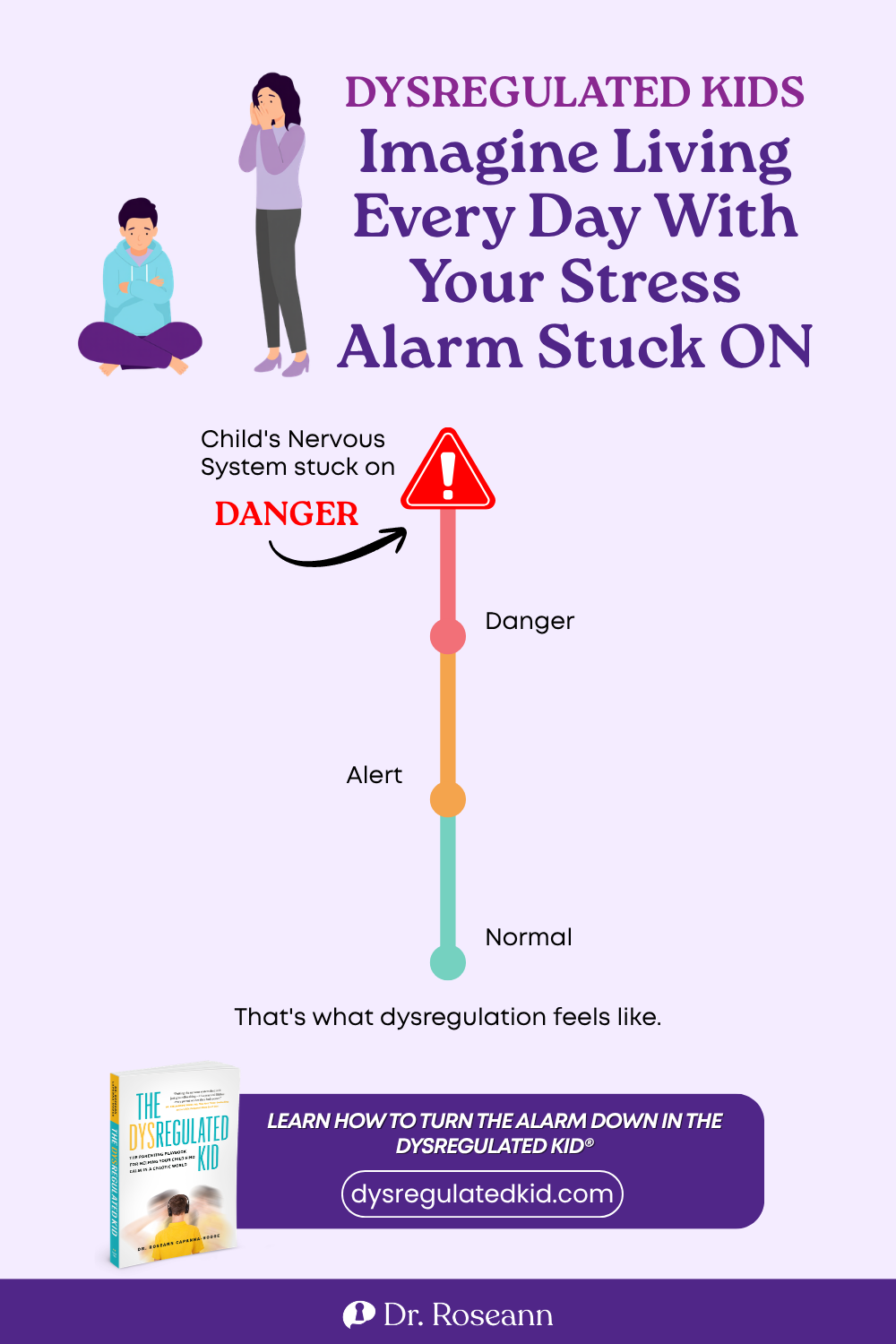
When the brain repeatedly interprets situations as unsafe or overwhelming, the nervous system may spend too much time in a state of high alert.
Understanding nervous system dysregulation helps parents recognize early signs and support their child before challenges escalate.
What Constitutes a Healthy Nervous System?
A healthy nervous system depends on how well different parts of the brain and body work together to stay balanced and regulated.
Key components include:
- Central Nervous System (CNS): Includes the brain and spinal cord and acts as the body’s main control center.
- Peripheral Nervous System (PNS): Connects the central nervous system with the rest of the body.
- Autonomic Nervous System (ANS): A part of the peripheral nervous system that helps regulate automatic functions such as digestion, heart rate, breathing, and blood pressure.
The autonomic nervous system has two important branches:
- Sympathetic nervous system: Activates the body’s stress response, commonly known as fight or flight.
- Parasympathetic nervous system: Supports rest, digestion, recovery, and calm.
A healthy nervous system isn’t one that stays calm all the time.
It is one that can appropriately activate when something requires attention and then return toward a more regulated state when the stressor has passed.
For kids, that flexibility supports learning, emotional regulation, social connection, and resilience.
Important foundations of nervous system health include:
- Nutritious, balanced meals
- Regular physical activity
- Consistent sleep routines
- Healthy posture and body awareness
- Strong coping and stress-management skills
- Predictable routines
- Opportunities for rest and recovery
When the nervous system is functioning well, children are better able to manage emotions, stay focused, recover after challenges, and move through daily life with greater resilience.

What Does the Autonomic Nervous System (ANS) Do?
The autonomic nervous system, or ANS, is like the unsung hero of your child’s body, managing many of the behind-the-scenes processes that keep everything running.
It helps regulate involuntary functions such as:
- Heart rate
- Breathing
- Digestion
- Blood pressure
- Internal organ function
- Physical responses to stress
Think of the ANS as the conductor of an orchestra, helping different body systems work together.
For our kids, the autonomic nervous system is also deeply involved in how they perceive and respond to stress.
When the ANS has difficulty shifting between activation and recovery, physical, emotional, and behavioral symptoms can appear.
Understanding this helps parents look beyond the behavior and ask a more useful question:
What does my child’s nervous system need right now?
Sympathetic vs. Parasympathetic Branches
The autonomic nervous system is made up of two primary branches: the sympathetic and parasympathetic nervous systems.
Think of the sympathetic nervous system as your child’s superhero cape.
When the brain perceives danger, pressure, or threat, the sympathetic nervous system activates the fight-or-flight response so your child is ready to react.
The parasympathetic nervous system is more like their favorite cozy blanket. It supports “rest and digest” functions that help the body slow down, recover, and restore balance.
Both systems are necessary.
Problems arise when a child spends too much time geared up for action and has difficulty shifting back toward recovery.
You might see:
- Tension
- Jitteriness
- Restlessness
- Anxiety
- Irritability
- Heightened sensory sensitivity
- Trouble settling
- Difficulty sleeping
- Strong reactions to seemingly small stressors
Sometimes this pattern is described as sympathetic dominance, meaning the child is spending a lot of time in a high-alert stress state.
Helping children develop ways to cope with, adapt to, and recover from stress can support greater nervous system flexibility.
As I often remind families in our Dysregulation Solution Program, it’s about giving children the right tools to find balance and resilience so they can navigate their world with more confidence and ease.

What Is the Vagus Nerve? The Key to Balance
The vagus nerve is an important part of the parasympathetic nervous system and plays a role in how the body responds to and recovers from stress.
Think of it as a communication superhighway connecting the brain with areas throughout the body.
It is involved in functions related to:
- Heart rate
- Breathing
- Digestion
- Facial and vocal responses
- Communication between the brain and gut
- Recovery after stress
Supporting parasympathetic activity can help children move away from heightened activation and toward greater calm and recovery.
Practices such as slow breathing, movement, mindfulness, connection, and other regulation tools can help create conditions that support this shift.
For parents, understanding the vagus nerve and the broader brain-body connection can make nervous system regulation feel less mysterious.
What looks like a behavioral problem may actually be a body that needs help settling first.

What Are the Signs and Symptoms of a Dysregulated Nervous System?
Nervous system dysregulation can show up through physical, emotional, behavioral, cognitive, and stress-response changes.
When autonomic nervous system dysregulation makes it harder for your child to move flexibly between alert and calm states, you may see everything from meltdowns and anxiety to headaches, fatigue, shutdown, or difficulty focusing.
The pattern looks different from child to child.
Some kids become highly activated and outwardly reactive.
Others become quiet, disconnected, exhausted, avoidant, or shut down.
Quick Answer: Common Signs of Nervous System Dysregulation
Common signs include:
- Frequent meltdowns or emotional outbursts
- Anxiety, constant worry, or feeling overwhelmed
- Irritability, mood swings, or low frustration tolerance
- Sleep difficulties, including trouble falling or staying asleep
- Physical complaints such as stomachaches, headaches, or body tension
- Fatigue or low energy
- Sensory overload
- Trouble focusing
- Difficulty calming down
- Difficulty transitioning between tasks
- Strong reactions to everyday demands or stress
These signs aren’t random. They can reflect a nervous system that is overloaded and struggling to regulate.
Physical Symptoms
Children experiencing nervous system dysregulation can show a wide range of physical symptoms.
Prolonged stress or trauma may contribute to ongoing body tension or discomfort that makes everyday activities harder.
Sleep disruption is also common and can affect mood, attention, learning, immune health, and a child’s ability to function well throughout the day.
Physical signs may include:
- Stomach pain
- Nausea
- Changes in digestion
- Headaches
- Muscle tension
- Fatigue
- Changes in appetite or eating patterns
- Racing heart
- Rapid or shallow breathing
- Trouble sleeping
- Feeling physically “on edge”
When the sympathetic nervous system activates, the body prepares to respond to a perceived threat.
That response is useful when danger is real. It becomes a problem when your child’s nervous system repeatedly reacts to everyday stressors as though an emergency is happening.
Some children with chronic health or autoimmune conditions may also have overlapping regulation challenges, which is why persistent physical symptoms deserve individualized medical evaluation.
Emotional Symptoms
Emotionally, a dysregulated nervous system can turn your child’s world upside down.
Common emotional signs include:
- Frequent irritability
- Heightened anxiety
- Persistent worry
- Overwhelm
- Anger
- Mood swings
- Low frustration tolerance
- Trouble concentrating
- Difficulty relaxing
- Feeling constantly on guard
When children spend too much time in a highly activated state, even ordinary demands can feel enormous.
Mindfulness, breathwork, co-regulation, movement, and other calming practices can help children build greater awareness of their internal state and give them tools for moving toward regulation.

Over-Activation: Fight or Flight Responses
Some children show nervous system dysregulation primarily through over-activation.
When the sympathetic nervous system stays on high alert, the child’s body may behave as though a threat is still present even when the immediate stressor has passed.
When your child perceives danger, their body can move into fight or flight, making them hyper-alert and ready to respond.
This sympathetic nervous system overdrive may show up as:
- Sudden anger
- Emotional explosions
- Restlessness
- Racing heart
- Anxiety
- Panic
- Heightened sensory sensitivity
- Repetitive behaviors
- Difficulty sitting still
- Trouble transitioning
- Strong resistance to demands
- Difficulty letting go of a stressor
For our kiddos, this can make ordinary situations feel much bigger than they appear from the outside.
Recognizing these behavioral signs of a dysregulated nervous system gives parents the opportunity to step in earlier with strategies that reduce stress and support calm.
Under-Activation: Freeze and Fawn Responses
Other children move toward under-activation, freeze, or shutdown when stress becomes too much.
This may look like:
- Zoning out
- Becoming unusually quiet
- Emotional detachment
- Low energy
- Fatigue
- Difficulty focusing
- Withdrawal
- Avoiding interaction
- Feeling unable to respond
- Disconnecting from what is happening around them
Some children also develop a fawn response, becoming overly focused on keeping other people happy in order to prevent conflict, rejection, or more stress.
They may:
- Put other people’s needs first
- Avoid disagreement
- Have trouble asserting themselves
- Become highly accommodating
- Suppress their own needs
- Show anxious avoidance
These children are sometimes missed because their stress isn’t loud.
Recognizing both high-activation and shutdown patterns helps parents respond to what the nervous system is communicating instead of judging behavior at face value.

Causes and Risk Factors of Nervous System Dysregulation: “The Perfect Storm”
Nervous system dysregulation is rarely caused by just one thing.
It often develops from a combination of biological, environmental, emotional, and lifestyle stressors that overwhelm a child’s ability to stay regulated—what we often call “The Perfect Storm.”
Potential contributors include:
- Chronic stress: Ongoing emotional or environmental stress can keep the nervous system in a persistent state of alert.
- Infections and illness: Some health conditions, including immune-related conditions such as PANS/PANDAS, may be associated with changes in behavior and nervous system regulation.
- Environmental exposures: Certain environmental or dietary exposures may add stress to a vulnerable child’s system.
- Physical trauma or injury: Physical stress can affect how the nervous system responds and recovers.
- Adverse Childhood Experiences (ACEs): Early-life stress can shape later stress responses.
- Genetic sensitivity: Some children naturally react more strongly to sensory input and stress.
- Poor sleep: Inadequate or disrupted sleep reduces a child’s ability to regulate.
- Nutrition: Nutritional status can affect overall brain and body health.
- Limited coping or self-regulation skills: Kids need repeated opportunities to learn how to manage stress.
- High sensitivity to sensory input: Noise, lights, textures, crowds, and other stimuli can overload some nervous systems.
- Over-exposure to technology: Prolonged screen time and highly stimulating digital environments can increase the stress load for some children.
- Chronic health conditions: Children managing ongoing physical health issues may face additional nervous system demands.
When several of these factors happen together, the nervous system can become overloaded and have greater difficulty returning to a calm, balanced state.
That is why understanding causes matters.
Instead of only asking, “How do I stop this behavior?” we can start asking, “What is driving my child’s dysregulation?”
When you reduce unnecessary stressors and give the nervous system appropriate support, meaningful change becomes more possible.
How Does Chronic Stress Contribute to Nervous System Dysregulation?
In today’s fast-paced world, chronic stress can keep our kids’ nervous systems stuck in overdrive.
Children may be dealing with:
- Academic pressure
- Social stress
- Family stress
- Social media
- Constant technology
- Too little downtime
- Poor sleep
- Major life changes
- Trauma
- Illness
- Repeated sensory overload
When stress becomes a regular part of life, the brain may become quicker to detect danger and slower to return to calm.
Stress exposure during prenatal development and early childhood can also influence developing stress-response systems.
Think of cortisol and the broader stress response as part of the body’s alarm system.
We need that alarm when something genuinely requires action.
But when the alarm is repeatedly activated, the brain and body have fewer opportunities to return to baseline and recover.
Over time, that can affect emotional regulation, attention, sleep, behavior, and physical well-being.
Understanding how stress dysregulates the nervous system can help parents identify unnecessary stressors and intentionally create more opportunities for recovery.
How Neuroinflammation and Sensory Overload Cause Nervous System Dysregulation
For some children, biological stressors, neuroinflammation, and sensory overload can add another layer to nervous system dysregulation.
Everyday environments can feel overwhelming for sensory-sensitive kids.
Common triggers include:
- Bright lights
- Loud noises
- Crowded spaces
- Strong smells
- Certain textures
- Busy classrooms
- Constant digital stimulation
- Unexpected sensory input
When the brain becomes overloaded with sensory information, children may feel:
- Constantly on edge
- Fatigued
- Irritable
- Anxious
- Avoidant
- Easily startled
- More reactive to sensations
- Unable to focus
Neuroinflammation may also affect how certain children process stress and sensory information.
Potential contributors that may warrant individualized medical evaluation include:
- Infections
- Immune-related conditions such as PANS/PANDAS
- Chronic illness
- Poor nutrition or heavily processed diets
- Environmental exposures
- Chronic stress
- Other biological stressors
When biological stress and sensory overload occur together, it may be harder for the nervous system to settle.
What helps support regulation:
- Reduce unnecessary sensory overload
- Identify your child’s specific triggers
- Create calmer and more predictable spaces
- Build recovery periods into the day
- Support sleep
- Support balanced nutrition
- Address underlying health concerns with appropriate professionals
- Support overall brain and body health
By understanding what overwhelms your child and adjusting their environment, you can reduce some of the stress placed on their nervous system.
What Environmental Factors Cause Nervous System Dysregulation in Kids?
Our modern environment can put a lot of demand on a developing nervous system.
Children today are often exposed to:
- Constant technology
- Highly stimulating screens
- Busy schedules
- Noise
- Crowded spaces
- Lack of downtime
- Inconsistent sleep
- Environmental stressors
- Unpredictable routines
Technology is especially important to consider because prolonged screen exposure can contribute to overstimulation, sleep disruption, difficulty transitioning, and less time for movement or restorative activities.
Environmental toxins and chemicals are another area parents sometimes ask about. When exposure is a concern, discuss it with an appropriate healthcare professional rather than assuming a specific symptom has one environmental cause.
You don’t need to create a perfect environment for your child.
Instead, focus on reducing unnecessary stress where you can:
- Limit excessive screen time
- Protect quiet recovery periods
- Keep sleep and mealtimes predictable
- Create calmer physical spaces
- Notice sensory triggers
- Encourage movement and outdoor time
- Protect unstructured downtime
- Reduce avoidable environmental stressors
Small, mindful adjustments can give a child’s nervous system more opportunities to recover.
Effects of Nervous System Dysregulation on Learning and Health
A dysregulated nervous system can affect both a child’s health and their ability to access learning.
When the brain is using a lot of energy monitoring and responding to stress, skills such as attention, working memory, flexible thinking, emotional control, processing, and problem-solving can become much harder to access.
That doesn’t mean your child lacks those abilities.
It often means their nervous system isn’t in the right state to use them consistently.
How Nervous System Dysregulation Affects Learning
The central nervous system, which includes the brain and spinal cord, acts like the body’s control center and helps manage:
- Thought
- Movement
- Emotion
- Breathing
- Heart rate
- Body temperature
- Attention
- Memory
- Learning
When a child is dysregulated, common cognitive signs include:
- Racing thoughts
- Difficulty focusing
- Trouble sustaining attention
- Problems with memory and recall
- Difficulty following directions
- Forgetting assignments
- Trouble processing new information
- Difficulty retaining what they learned
- Increased distractibility
- Heightened sensory sensitivity
- Inconsistent academic performance despite strong potential
When the nervous system is highly stressed, the brain naturally prioritizes immediate safety and survival-related information over higher-level learning.
That is why telling a dysregulated child to “just focus” often doesn’t work.
Regulation has to come first.
How Nervous System Dysregulation Affects Emotions and Physical Health
Persistent stress can affect both emotional and physical well-being.
The stress response involves hormones such as cortisol, and ongoing activation can make it harder for the body and brain to recover fully between stressors.
Children who spend too much time in a stress response may experience:
- Increased anxiety
- Other emotional or psychological challenges
- Irritability
- Difficulty recovering from stress
- Muscle tension
- Chronic pain or physical discomfort
- Headaches
- Digestive issues
- Stomachaches
- Fatigue
- Sleep disruption
- Changes in appetite
- Increased vulnerability during periods of illness or stress
Over time, nervous system dysregulation can make it increasingly difficult for a child to return to baseline after everyday challenges.
Targeted professional support may be helpful when symptoms are persistent, severe, worsening, or interfering with everyday life.
Depending on the child and underlying concerns, this may involve:
- Counseling
- Medical care
- Occupational therapy
- Sensory support
- Neurofeedback
- Parent coaching
- Other individualized interventions
Neurofeedback is one option some families use to support patterns of brain regulation and self-regulation.
Can Nervous System Hacks Help Stubborn, Mysterious Health Problems Like Chronic Headaches, Stomachaches and Sleep Struggles?
If you feel like you’ve tried everything to help your child’s headaches, tummy troubles, fatigue, or sleep struggles and you’re still searching for answers, you’re not alone.
Many parents move from specialist to specialist trying to understand symptoms that don’t seem obviously connected.
Sometimes nervous system dysregulation is one part of the bigger picture.
This can be especially relevant for children with conditions such as:
- ADHD
- Anxiety
- Sensory sensitivities
- PANS/PANDAS
- Chronic stress
- Other conditions that make regulation more difficult
Nervous system regulation strategies aren't a substitute for medical evaluation, but they may be one useful piece of a broader whole-body plan.
How Nervous System Dysregulation Can Affect Physical Symptoms
When the nervous system stays in a prolonged stress state, several body systems can be affected.
For example:
- Stress hormones can remain elevated, contributing to fatigue, anxiety, or sleep disruption.
- Digestion can change during stress, contributing to stomachaches, nausea, or constipation in some children.
- Muscles can remain tense, contributing to headaches or physical discomfort.
- Sleep can become less consistent.
- Energy can fluctuate.
- Focus and emotional regulation may become harder.
- Ongoing stress can also interact with immune function and overall physical health.
That is one reason symptoms that seem unrelated can sometimes flare together during periods of significant stress.
How Nervous System “Hacks” Can Help
Regulation strategies are designed to help the body shift away from persistent fight-or-flight activation and toward greater rest, recovery, and flexibility.
As the nervous system becomes more regulated, some children may experience improvements in:
- Sleep
- Digestion
- Muscle tension
- Physical comfort
- Focus
- Energy
- Emotional regulation
- Recovery after stress
The important thing is not to assume every unexplained physical symptom comes from the nervous system.
Persistent headaches, stomachaches, constipation, sleep problems, pain, fatigue, frequent illness, or other physical concerns should be properly evaluated.
A whole-body approach means looking at the child—not just one symptom.
Helping a child thrive isn't only about temporarily managing symptoms. It is about understanding the factors that contribute to their stress load and building long-term resilience.

Tools and Techniques to Manage Nervous System Dysregulation
What are some effective tools for managing nervous system dysregulation? Start with four steps: identify what is overwhelming your child, support regulation consistently, build daily habits that strengthen nervous system health, and seek additional support when needed.
For kids, that can mean combining co-regulation and calming tools with predictable routines, adequate sleep, movement, sensory support, mindfulness, and strategies that help the brain and body recover from stress.
How do you regulate an overactive nervous system?
Start by recognizing your child’s emotional and physical signs early.
It can feel a bit like being a detective—piecing together clues so you can better understand what pushes your child toward dysregulation and what helps them return to balance.
A Four-Step Framework for Supporting a Dysregulated Nervous System
1. Identify underlying causes
Look for factors such as:
- Chronic stress
- Sensory overload
- Poor sleep
- Environmental stressors
- Illness
- Biological stressors
- Emotional triggers
2. Support daily regulation
- Recognize emotional and physical symptoms early
- Use co-regulation
- Encourage emotional regulation strategies
- Create predictable, calming routines
- Build sensory breaks into the day
- Use tools that support focus and learning
- Practice relaxation strategies consistently
- Engage in daily activities that help reset the nervous system
3. Build long-term nervous system health
- Prioritize good sleep hygiene
- Encourage regular physical activity
- Support balanced nutrition
- Integrate mindfulness practices
- Use breathing exercises
- Reduce unnecessary stress
- Build more recovery into everyday life
4. Seek professional support when needed
- Get guidance tailored to your child
- Explore therapies that support nervous system regulation
- Address persistent physical symptoms
- Seek help when dysregulation interferes with learning, relationships, or everyday functioning
Effective techniques for supporting the autonomic nervous system include:
- Progressive muscle relaxation
- Guided imagery
- Mindfulness practices
- Deep breathing
- Yoga
- Meditation
- Movement
- Sensory breaks
- Co-regulation
These techniques give the brain and body opportunities to move away from stress activation and toward greater equilibrium.
The goal isn't to force your child to calm down.
It is to create the conditions that make regulation more possible.
Deep Breathing Exercises (4-7-8)
Deep breathing is one of the simplest tools parents can teach children for slowing down and becoming more aware of what is happening inside their bodies.
One commonly used technique is the 4-7-8 method:
- Inhale for four seconds
- Hold for seven seconds
- Exhale slowly for eight seconds
For some children, especially younger ones, shorter counts or breathing without a long breath hold may feel more comfortable.
The exact count matters less than making the breath slow, comfortable, and controlled.
Practicing breathing tools regularly—not only in the middle of a meltdown—can make them easier for children to access during stressful moments.
Over time, breathing exercises can become part of a familiar routine that signals:
My body can slow down. I know what to do.
Progressive Muscle Relaxation
Progressive muscle relaxation is another practical tool for children who carry stress physically.
The technique involves:
- Focusing on one muscle group
- Gently tensing those muscles for a brief moment
- Noticing the sensation of tension
- Releasing the muscles
- Noticing the contrast between tension and relaxation
- Moving on to another part of the body
Combining muscle relaxation with slow breathing can help children become more aware of where they hold tension.
That body awareness is especially valuable because many dysregulated kids don't recognize that they are becoming overwhelmed until they are already at their limit.
Practiced regularly, progressive muscle relaxation gives kids another concrete strategy for reducing tension and building awareness of their internal state.
As I often tell families, these small, repeatable practices can make a big difference.
Mindfulness and Meditation
Mindfulness and meditation can help children learn to stay present and notice their emotions, sensations, and thoughts without immediately reacting to them.
For younger children, mindfulness doesn't need to mean sitting silently for twenty minutes.
It might look like:
- Naming five things they can see
- Listening for different sounds
- Feeling their feet on the floor
- Noticing their breathing
- Taking a mindful walk
- Doing a short guided meditation
- Paying attention to something in nature
- Noticing where they feel tension in their body
Structured approaches such as mindfulness-based stress reduction, or MBSR, have also been studied for stress management.
For kids, the practice should be developmentally appropriate and realistic.
The goal is to help children become better at noticing:
“Something is happening in my body.”
That awareness gives parents and children a greater opportunity to respond before the nervous system becomes completely overwhelmed.
Long-Term Strategies: Lifestyle Changes for a Regulated Nervous System
Supporting nervous system health isn't just about quick fixes.
It is about creating repeatable habits that address stress, support overall health, and help your child build greater capacity over time.
Lifestyle practices that can support a dysregulated nervous system include:
- Eating a nutritious diet
- Getting enough sleep
- Keeping a consistent sleep routine
- Encouraging regular physical activity
- Practicing breathing techniques
- Reducing excessive sensory stimulation
- Reducing exposure to unnecessary stress
- Limiting excessive technology use
- Building quiet recovery time into busy days
- Helping children set appropriate personal boundaries
- Practicing mindfulness
- Using regulation tools proactively
- Creating predictable routines
Some families also practice tools such as 4-7-8 breathing at regular times throughout the day rather than waiting until a child is already overwhelmed.
Think of this as building your child’s nervous system capacity.
You aren't trying to eliminate every challenge or stressor.
You are giving their brain and body repeated opportunities to practice:
activate → cope → recover → return to regulation.
Lifestyle changes and professional support can work together as part of a more comprehensive approach.
Even small adjustments to everyday routines can make a meaningful difference in how well a child manages stress.
When to Get Professional Support for a Dysregulated Autonomic Nervous System
Getting professional support may be appropriate when nervous system dysregulation:
- Happens frequently
- Is becoming more intense
- Interferes with learning
- Affects sleep
- Disrupts friendships or family relationships
- Causes persistent physical symptoms
- Interferes with everyday routines
- Doesn't improve despite consistent support at home
Depending on your child’s needs, professional support may include:
- Counseling
- Therapy
- Neurofeedback
- Occupational therapy
- Sensory integration support
- Behavioral support
- Parent coaching
- Bodywork approaches
- Medical evaluation
- Other individualized treatments
Think of this as assembling a team that can help you understand the full picture.
Counseling may be helpful for children dealing with anxiety, trauma, stress, or unhealthy coping patterns.
Sensory-based or occupational therapy support may be valuable when sound, movement, touch, textures, transitions, or other sensory experiences regularly overwhelm the nervous system.
Neurofeedback is another option some families explore. It uses real-time feedback about brain activity as part of training designed to support self-regulation of brain patterns.
The appropriate approach depends on your child’s specific symptoms, medical history, developmental needs, and overall clinical picture.
Inside The Dysregulation Solution™, we help families look at those pieces together so they can better understand their child’s stressors, regulation patterns, and individual needs.
The right professional support isn't about simply making a child behave better.
It is about understanding what behavior is communicating and helping the brain and body develop more effective ways to regulate.

A Practical Next Step for Parents of a Dysregulated Child
Tools like breathing, movement, mindfulness, sensory support, and moments of quiet are most useful when they become part of a steady, repeatable approach.
Over time, families can learn which supports fit their child, how to introduce them without pressure, and how to return to them when life gets hard.
That is at the heart of Regulation First Parenting®: supporting and calming the nervous system before expecting a child to reason, comply, learn, or change behavior.
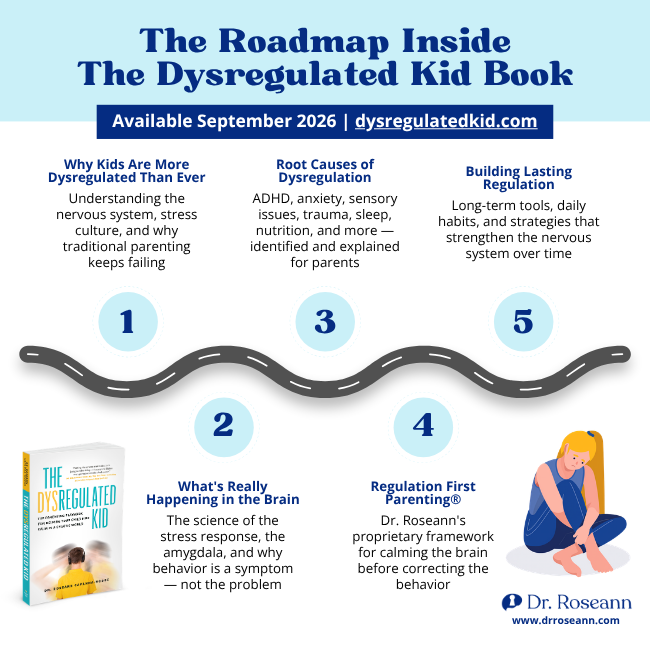
For parents who want a broader framework for those everyday decisions, The Dysregulated Kid® brings together Regulation First Parenting® guidance for responding to nervous system overwhelm with more understanding and consistency.
Remember, you aren't trying to raise a child who never becomes dysregulated.

Stress is part of life.
The goal is to help your child build the capacity to notice stress, tolerate it, recover from it, and return to regulation more easily.
And remember, you’re not alone in this journey.
Together, we can equip our children with tools that support emotional and academic well-being so their nervous systems aren't simply surviving stress but becoming more resilient over time.
For families who need more structured guidance, The Dysregulation Solution™ is one pathway for getting individualized nervous system support.
When your child is struggling, having the right tools makes all the difference.
Get step-by-step support inside Dr. Roseann’s Regulated Child Summit: Nervous System Solutions for Kids.
FAQs
Common signs of a dysregulated nervous system in children include mood swings, irritability, anxiety, trouble focusing, sensory overload, sleep problems, physical complaints, and difficulty calming after stress.
These nervous system dysregulation symptoms can be your child's way of signaling that their brain and body are overwhelmed.
Chronic stress can keep a child spending too much time in a fight-or-flight or other protective stress state, making it harder for the brain and body to return to baseline.
Over time, repeated activation can contribute to emotional, behavioral, sleep, attention, and regulation struggles.
The vagus nerve is an important part of the parasympathetic nervous system and helps support communication between the brain and body.
It is involved in functions such as heart rate, breathing, digestion, and recovery after stress, which is why strategies that support parasympathetic activity can be useful parts of nervous system regulation.
Effective tools for managing nervous system dysregulation include co-regulation, deep breathing, movement, sensory breaks, progressive muscle relaxation, mindfulness, predictable routines, adequate sleep, and regular physical activity.
The goal is to help the brain and body move away from prolonged stress activation so the child can more easily access learning, communication, and emotional control.
Professional support can help families identify what may be driving a child’s dysregulation and choose strategies that match that child's individual needs.
It becomes especially important when symptoms are persistent, worsening, or interfering with school, sleep, physical health, relationships, or everyday functioning.
This sudden shift can happen when your child's stress load has been quietly building until their nervous system reaches its limit.
A transition, demand, sensory trigger, disappointment, hunger, fatigue, or seemingly small stressor may simply be the final thing that pushes an already overloaded nervous system into fight, flight, freeze, or shutdown.
What looks like defiance can sometimes be nervous system dysregulation, especially when a child is overwhelmed, highly activated, shut down, or unable to access their usual coping skills.
That doesn't mean every challenging behavior comes from dysregulation. Regulation First Parenting® asks us to understand the child's nervous system state before deciding how to respond to the behavior.
Everyday triggers can include transitions, sensory overload, lack of sleep, hunger, academic pressure, unexpected changes, social stress, conflict, screen overstimulation, and feeling rushed or pressured.
Triggers vary from child to child, so noticing patterns can help you understand what fills your child's stress cup most quickly.
Yes. Nervous system dysregulation is a real pattern used to describe difficulty flexibly moving between states of activation, stress, recovery, and calm.
In children, it can show up through emotional, behavioral, cognitive, sensory, sleep, and physical changes. Nervous system dysregulation itself isn't necessarily a standalone medical diagnosis, so persistent symptoms should be considered within the context of the child's overall health and development.
A dysregulated nervous system can become more flexible and better regulated with appropriate support.
For children, that often means helping the brain and body experience safety more consistently through co-regulation, healthy routines, stress reduction, regulation tools, and individualized professional support when needed.
Rather than looking for a one-time “fix,” I want parents to focus on helping their child build the capacity to tolerate stress, recover from it, and return to regulation more easily.
There isn't one timeline for healing a dysregulated nervous system because every child's biology, stress load, environment, health history, developmental needs, and supports are different.
Some children may respond quickly to particular changes, while building more consistent nervous system regulation can take longer.
A better measure is whether your child is recovering from stress more easily, staying regulated for longer periods, and gradually functioning better in everyday life.
Citations
Elbers, J., Jaradeh, S., Yeh, A. M., & Golianu, B. (2018). Wired for Threat: Clinical Features of Nervous System Dysregulation in 80 Children. Pediatric Neurology, 89, 39–48. https://doi.org/10.1016/j.pediatrneurol.2018.07.007
Elbers, J., Rovnaghi, C. R., Golianu, B., & Anand, K. J. S. (2017). Clinical Profile Associated with Adverse Childhood Experiences: The Advent of Nervous System Dysregulation. Children, 4(11), 98. https://doi.org/10.3390/children4110098
Qian, M., Jin, R., Lu, C., & Zhao, M. (2024). Parental emotional support, self-efficacy, and mental health problems among adolescents in Hong Kong: a moderated mediation approach. Frontiers in Psychiatry, 15, 1458275. https://doi.org/10.3389/fpsyt.2024.1458275
Santoro, J. D. (2019). Long-term sequelae of pediatric Bickerstaff brainstem encephalitis includes autonomic and sleep dysregulation. Journal of Child Neurology, 34(3), 153–160. https://doi.org/10.1177/0883073818820488
Dr. Roseann is a mental health expert in self-regulation who is frequently featured in the media, including:
- Parade
- Healthline — Understanding Self-Regulation Skills
- Scary Mommy — What Is Self-Regulation in Children, and How Can You Help Improve It?
- The Warrior Parent Podcast — It's Gonna Be OK! Changing Behaviors and Responses (And The Magic of Magnesium) In Your Family with Dr. Roseann Capanna-Hodge
For parents navigating ADHD challenges, The Dysregulated Kid® provides specific guidance on supporting neurodivergent brains through practical regulation strategies.
Always remember… “Calm Brain, Happy Family™”
Disclaimer: This article is for educational purposes and is not intended as medical or mental health advice. It is not a substitute for professional care. Results vary by individual and condition. Always consult a qualified healthcare provider regarding medical or psychological concerns.
Meet the Expert
Licensed Therapist | Certified School Psychologist
Board Certified in Neurofeedback (BCN) | 30+ Years Clinical Experience
Expert in Emotional Dysregulation in Children and Nervous System Regulation
Host, Dysregulated Kids Podcast | Author, The Dysregulated Kid
Dr. Roseann Capanna-Hodge is a licensed therapist, certified school psychologist, and leading expert in emotional dysregulation in children and nervous system regulation. With over 30 years of clinical experience and having analyzed more than 10,000 brain maps, she helps families understand what behavior is really signaling—and how to calm the nervous system first so real change can happen.
She is the creator of Regulation First Parenting® and the CALMS Protocol™, host of the top 1% podcast Dysregulated Kids, and author of The Dysregulated Kid.

Want more Regulation First Parenting® guidance from Dr. Roseann? Add us as a preferred source on Google.