Find Your Solution
In 3 minutes, you’ll know where to start ➤
%20.png)





Estimated Reading Time: 6 minutes
If your child struggles with ADHD, it can feel like nothing you try works. Daily requests, transitions, and “simple tasks” can turn into constant frustration. You’re not failing, it’s a dysregulated child showing you exactly where support is needed.
In this episode, I break down why traditional punishment doesn’t work for ADHD or neurodivergent kids, how to use Regulation First Parenting™, and practical, brain-based strategies to teach skills without yelling, shame, or power struggles.
Children with ADHD aren’t being lazy or oppositional—their executive functioning skills aren’t fully developed. This makes starting, sustaining, and completing tasks challenging.
Signs you’re seeing neurological overload, not defiance:
Parent Example: A child can play a game for hours but loses all focus when asked to unload the dishwasher. It’s not willful; it’s a brain chasing stimulation.
Hyperfocus shows that the ADHD brain craves stimulation. Tasks that aren’t intrinsically rewarding feel heavy and impossible.
Try this:
When attention is anchored, self-regulation becomes easier.
Want to stay calm when your child pushes every button?Become a Dysregulation Insider VIP and get the FREE Regulation Rescue Kit—your step-by-step guide to stop oppositional behaviors without yelling or giving in.
Go to www.drroseann.com/newsletter and grab your kit today.
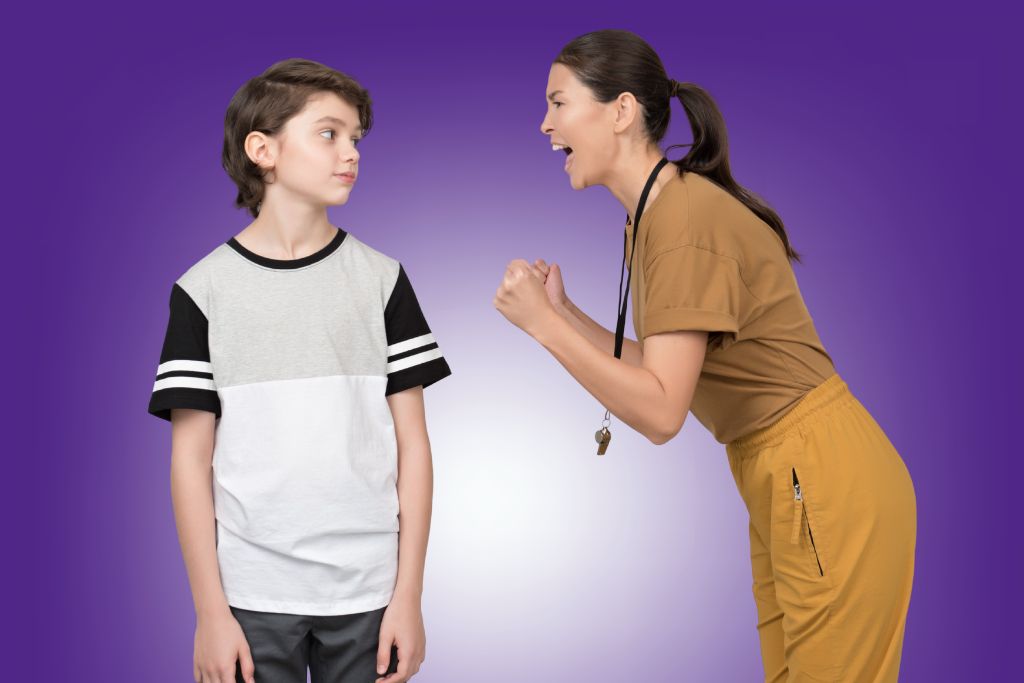
Punishment increases shame, fuels stress, and activates the sympathetic nervous system. This prevents learning and regulation.
Better approaches:
Takeaway: Behavior is communication; dysregulated kids cannot learn skills from punishment alone.
Executive functioning acts as the brain’s “job manager.” Kids with ADHD often need guidance to:
Practical tools:
Parent Tip: Start with the end goal, then work backward. Visualizing outcomes helps kids fill in the steps themselves.
🗣️ “You can’t punish a neurodivergent brain into skills, it must be taught through regulation, modeling, and connection.” — Dr. Roseann
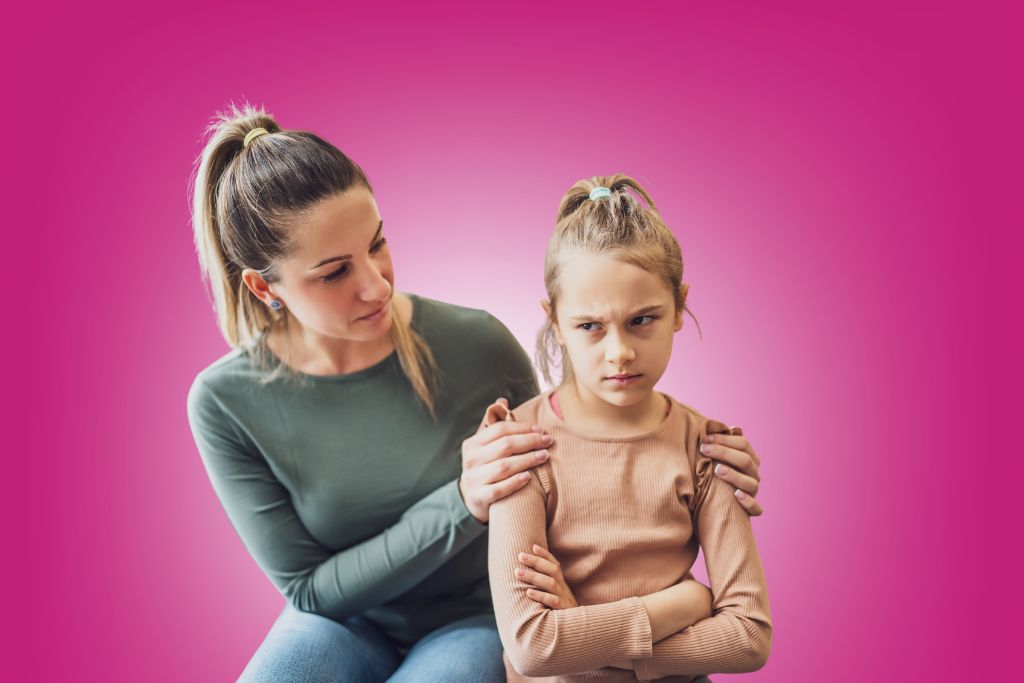
Your calm is contagious. Kids learn regulation through co-regulation with adults.
How to co-regulate:
This allows the nervous system to settle before skill-building begins.
Predictable routines reduce stress for ADHD brains and improve compliance naturally.
Tips:
When routines are predictable, executive functioning challenges are easier to manage.
External factors influence the nervous system. Supporting brain and body helps discipline work:
These supports enhance self-regulation and reduce reactive behaviors.
For ADHD children, discipline isn’t about control, it’s about creating a brain-ready environment. Calm the nervous system first, model desired behavior, scaffold executive functioning skills, and use consistent routines. This approach improves focus, emotional regulation, and learning outcomes.
If parenting feels harder for you than everyone else says it should be, please know: you are not failing. Many kids just need a completely different approach. Learn it in The Dysregulated Kid. Order today:
.png)
Stay regulated first, then guide your child with simple, clear instructions. Yelling fuels dysregulation and makes learning harder.
Use visual schedules, keep routines predictable, and practice them when your child is calm—not just in the moment.
Start with nervous system regulation—for both you and your child. No strategy works until the brain is calm.
When your child is struggling, time matters.
Don’t wait and wonder—use the Solution Matcher to get clear next steps, based on what’s actually going on with your child’s brain and behavior.
Take the quiz at www.drroseann.com/help
Dr. Roseann Capanna-Hodge is a licensed therapist, certified school psychologist, and leading expert in emotional dysregulation in children. With over 30 years of experience, she helps parents understand the root causes of meltdowns, anxiety, ADHD, and challenging behavior through the lens of nervous system regulation. Dr. Roseann teaches practical, science-backed strategies for co-regulation and how to calm a dysregulated child using her Regulation First Parenting™ approach. She is the host of the Dysregulated Kids Podcast and author of The Dysregulated Kid.
Dr. Roseann Capanna-Hodge
Emotional Dysregulation in Children & Nervous System Expert
Regulation First Parenting™ | CALMS Protocol™
Host of the Dysregulated Kids Podcast (Top 1% Globally)
Author of The Dysregulated Kid