Find Your Solution
In 3 minutes, you’ll know where to start ➤
%20.png)





Estimated Reading Time: 6 minutes
If your child just had a psychoeducational evaluation and you’re staring at scores, percentiles, and reports, you might be wondering, "What am I even looking at?" Testing can be intimidating for many parents, especially when their child is already dysregulated and they are desperately searching for answers.
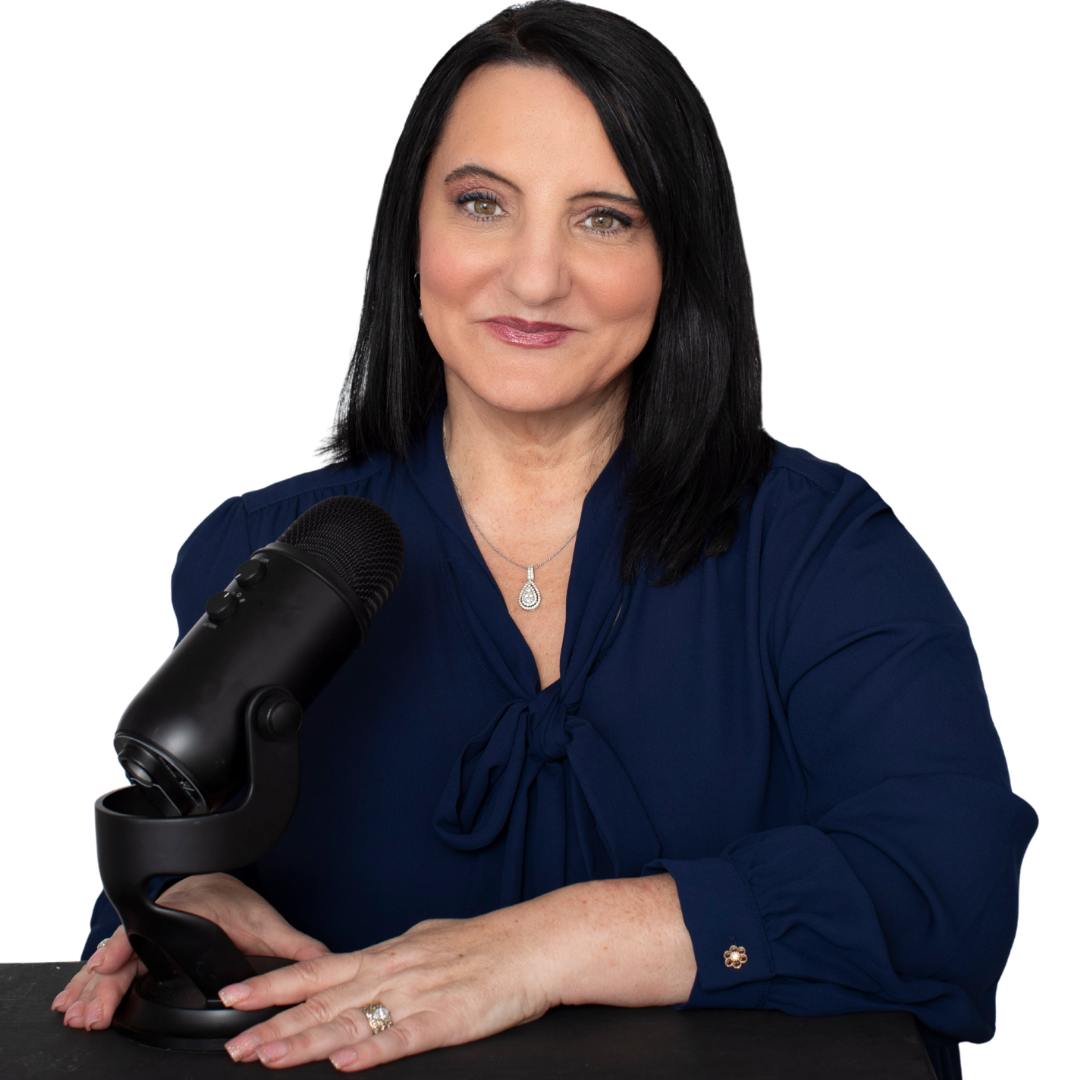
In this episode, Dr. Roseann Capanna-Hodge explains what psychoeducational evaluations actually measure, how to interpret the data, and how to use these insights to guide your child’s school decisions, supports, and accommodations.
A psychoeducational evaluation is filled with stats, jargon, and charts, and it can easily overwhelm any parent. But understanding this data is essential—it reveals what's going on inside your child’s brain and highlights what support they need to thrive.
One parent brought in a report that appeared “fine,” but the percentile ranks ranged from the 25th to the 99th. That gap explained why homework time felt like a daily meltdown for her child. Massive variability leads to massive frustration for kids, especially when they can’t process information consistently.
Many parents assume that school evaluations and private evaluations are the same thing, but they serve different purposes.
Don’t let the school start by talking about the program. First, define your child’s needs and then decide the best support plan. This is where advocacy starts.
All those numbers in an evaluation tell a story—once you understand how to read them.
Imagine a child with high reasoning skills (90th percentile) but low processing speed (25th percentile). On paper, this child may appear smart, but in reality, they are constantly overwhelmed. That mismatch creates frustration and emotional dysregulation in children.
The data isn’t there to scare you; it’s there to empower you. Once you understand how to read the results, you can use them to make informed decisions.
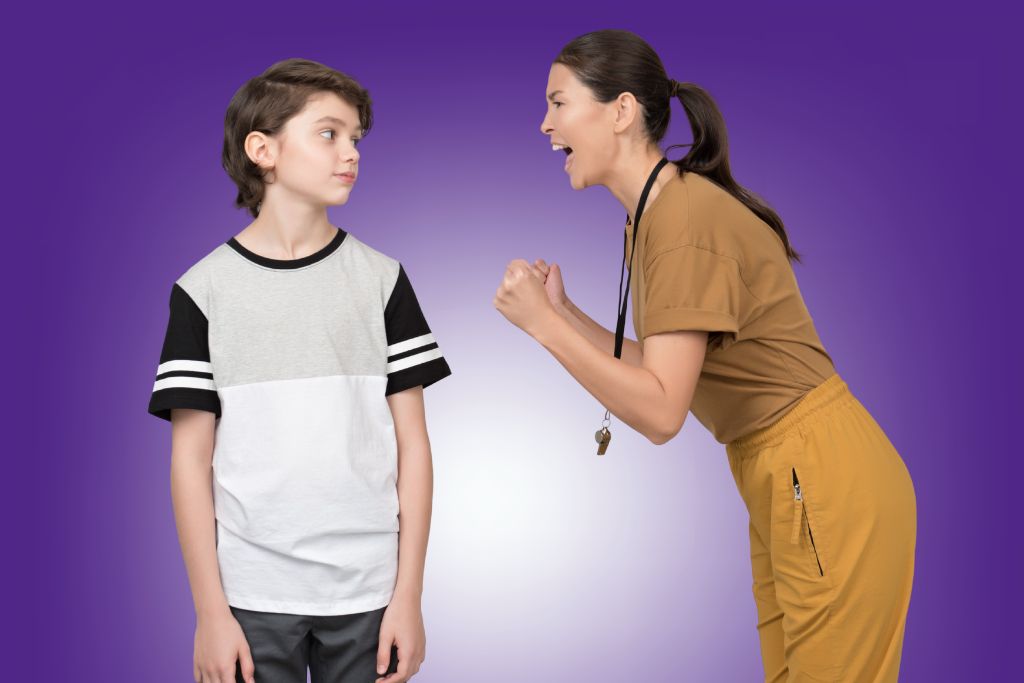
Behavior is communication, and the results of psychoeducational testing reveal what your child’s behavior has been trying to say.
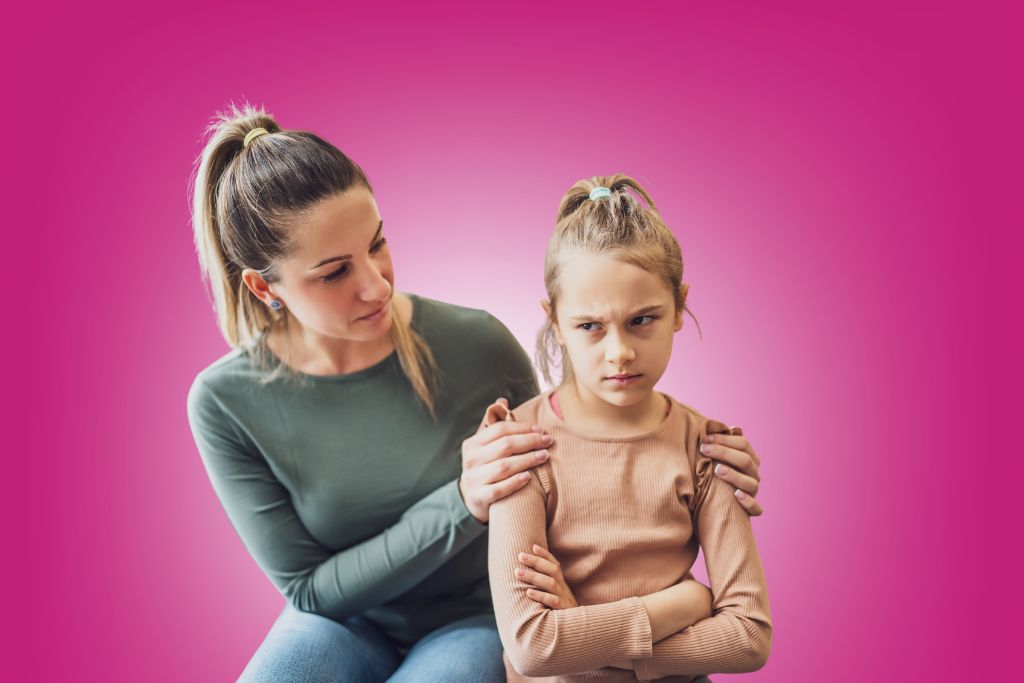
When your child is dysregulated, it’s easy to feel helpless, especially when navigating psychoeducational evaluations. But the key to supporting your child is to understand what the data is really telling you.
When you understand the testing results, you gain the power to:
It’s not bad parenting—it’s a dysregulated brain. When you understand how to read the data, you’ll be able to confidently create a clear path forward for your child’s success.
Children with ADHD may qualify for either an IEP or a 504 plan, depending on how ADHD impacts their learning. An IEP is typically used when there is a significant impact on education, while a 504 plan is for accommodations.
Yes, some children may have both an IEP and a 504 plan, especially if they have more than one need that requires different types of support.
If the school says your child doesn’t qualify for services, request a meeting to clarify the evaluation process. You can also seek an independent evaluation to better understand your child’s needs.
Progress can vary, but with consistent support, positive change should be visible within a few months. Some children may need more time, especially if additional testing or services are required.
The stigma around special education has decreased significantly. Many schools now embrace inclusive practices, providing accommodations and support to help all students succeed.
Next Step:
Become Your Child’s Best Advocate! Download The Ultimate Guide to School Accommodations Have you been searching the internet for the right school accommodations for your kid and still don’t know what to ask for? Well, look no further. We have created this guide just for you…and it's FREE!
Dr. Roseann Capanna-Hodge is a licensed therapist, certified school psychologist, and leading expert in emotional dysregulation in children. With over 30 years of experience, she helps parents understand the root causes of meltdowns, anxiety, ADHD, and challenging behavior through the lens of nervous system regulation. Dr. Roseann teaches practical, science-backed strategies for co-regulation and how to calm a dysregulated child using her Regulation First Parenting™ approach. She is the host of the Dysregulated Kids Podcast and author of The Dysregulated Kid.
Dr. Roseann Capanna-Hodge
Emotional Dysregulation in Children & Nervous System Expert
Regulation First Parenting™ | CALMS Protocol™
Host of the Dysregulated Kids Podcast (Top 1% Globally)
Author of The Dysregulated Kid