Find Your Solution
In 3 minutes, you’ll know where to start ➤
%20.png)





Estimated Reading Time: 4 minutes
When screen time ends in tears or yelling, even the calmest parent can feel overwhelmed. Your child’s nervous system is simply overloaded by a sudden drop from fast digital stimulation. In this episode, I’ll explain how screens affect developing brains and why consistent boundaries help ease Device Dysregulation™. If you’re noticing behaviors that signal your child needs support, remember: these reactions are rooted in regulation, not defiance.
Screens trigger dopamine spikes, giving kids a fast, high-reward experience that their developing brains can’t self-regulate. When you turn it off, their nervous system drops quickly.
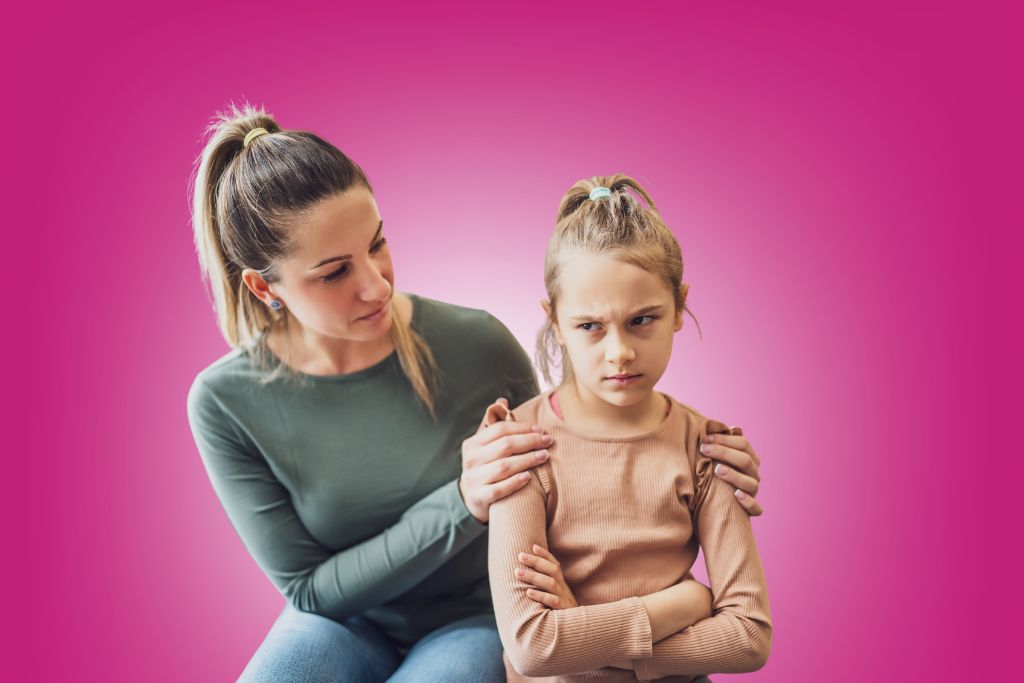
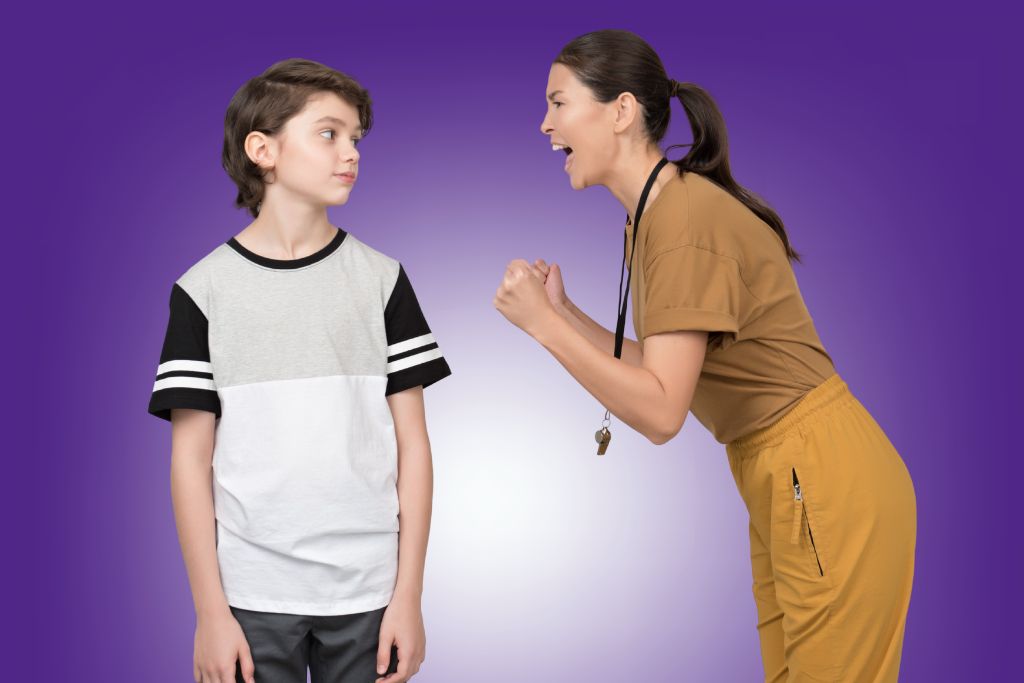
Scenario: Your child is peacefully gaming, but the moment you say “time’s up,” they slam the device down and refuse dinner. That reaction is a dysregulated nervous system struggling with sudden stimulation loss.
If screen time rules keep shifting, kids learn to negotiate harder. What helps is clarity, structure, and consistency.
A child’s brain needs a gentle ramp, not an abrupt stop. Advance warnings and visual cues prevent nervous-system overwhelm.
If your child struggles with emotional intensity during transitions, listen to why discipline sometimes makes kids worse for more brain-based support.
When screen battles take over your home despite consistent structure, it may signal deeper nervous system distress.
That’s when we look beyond rules and toward the nervous system itself. You’re not alone and it’s not your fault.
If you’re tired of walking on eggshells or feeling like nothing works…
Get the FREE Regulation Rescue Kit and finally learn what to say and do in the heat of the moment.
Become a Dysregulation Insider VIP at www.drroseann.com/newsletter and take the first step to a calmer home.
🗣️ “Device dysregulation is real, and kids need healthier habits so they can regulate their emotions and attention.”
— Dr. Roseann
Screens are highly stimulating for the dysregulated child, hijacking attention and creating anxiety. Breaking from screen time can:
Start with predictable screen-free windows, paired with calming rituals and sensory input. Gradually extend duration as regulation improves.
Co-regulation is your most powerful tool. Your calm models the nervous system for your child.
Parent Story: One family added a 5-minute after-school breathing and movement routine. Within two weeks, the child’s automatic “No” responses and meltdowns dropped dramatically.
Helping kids break from screen time doesn’t mean fighting daily battles. When you lead with predictable limits, visual cues, and hands-on alternatives, you give your child’s nervous system the cues it needs to settle. You’re not alone—Regulation First Parenting™ gives you the roadmap. For further support on this topic, explore more tips on Device Dysregulation™.
Yes. They make time concrete, giving kids predictability and reducing shock when screens turn off.
Choose hands-on, sensory-rich activities like crafts, building, or simple board games to support emotional regulation.
Make changes gradual and predictable, and add more co-regulation during transitions.
Every child’s journey is different. That’s why cookie-cutter solutions don’t work.
Take the free Solution Matcher Quiz and get a customized path to support your child’s emotional and behavioral needs—no guessing, no fluff.
Start today at www.drroseann.com/help
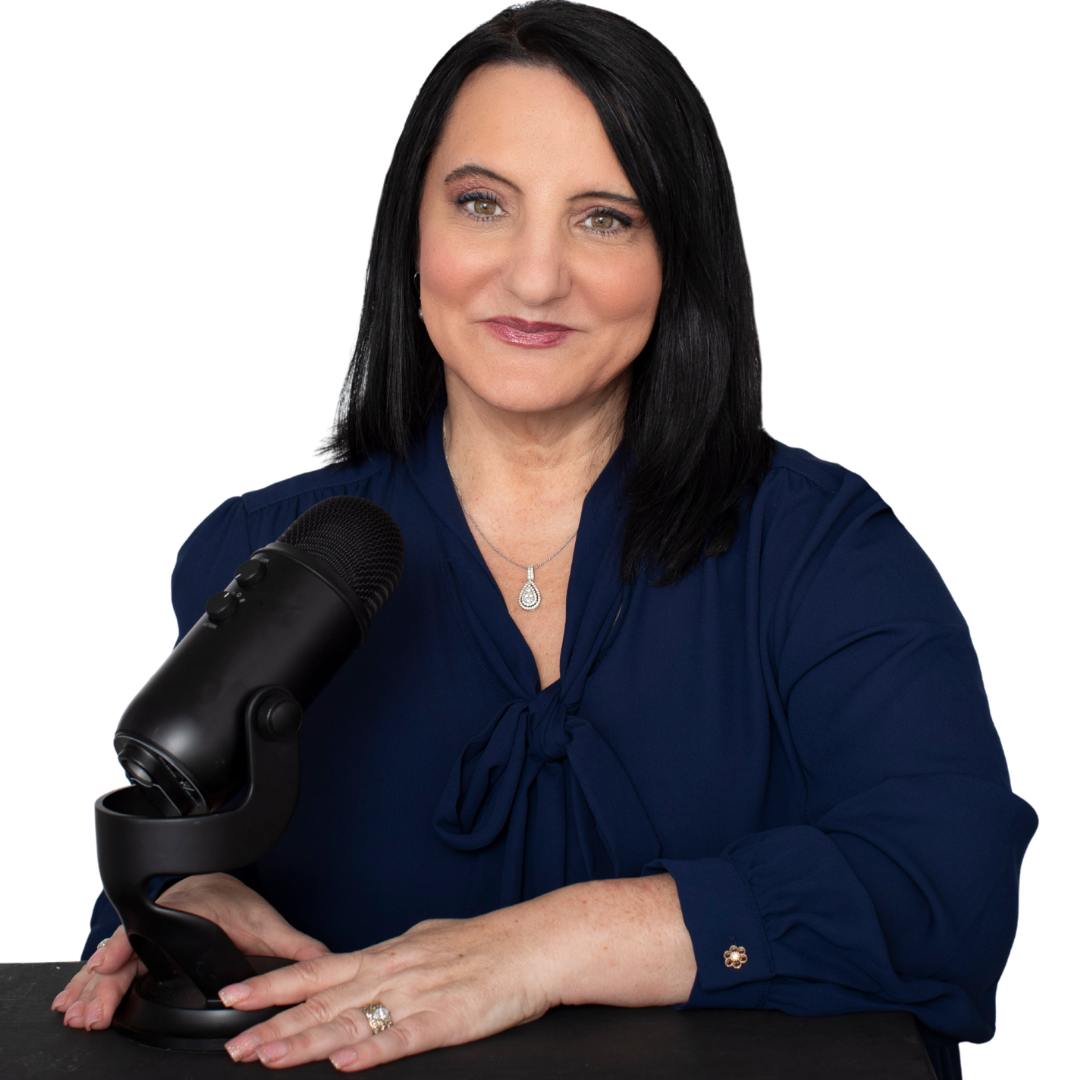
Dr. Roseann Capanna-Hodge is a licensed therapist, certified school psychologist, and leading expert in emotional dysregulation in children. With over 30 years of experience, she helps parents understand the root causes of meltdowns, anxiety, ADHD, and challenging behavior through the lens of nervous system regulation. Dr. Roseann teaches practical, science-backed strategies for co-regulation and how to calm a dysregulated child using her Regulation First Parenting™ approach. She is the host of the Dysregulated Kids Podcast and author of The Dysregulated Kid.
Dr. Roseann Capanna-Hodge
Emotional Dysregulation in Children & Nervous System Expert
Regulation First Parenting™ | CALMS Protocol™
Host of the Dysregulated Kids Podcast (Top 1% Globally)
Author of The Dysregulated Kid