




Estimated Reading Time: 12 minutes
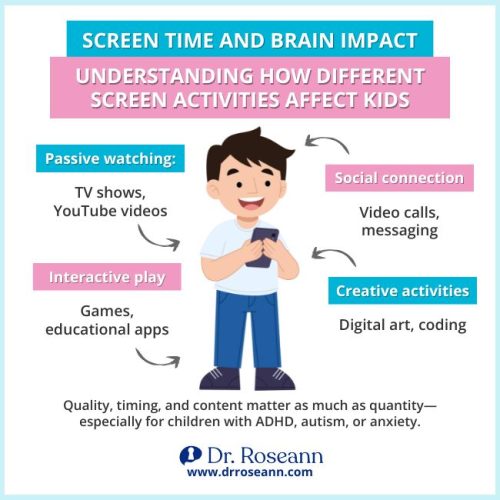
Screen time is any time your child spends using digital devices—like phones, tablets, TVs, or computers—whether they’re watching, playing, or scrolling. And for dysregulated kids, it’s not just about how long they’re on screens—it’s about how that input impacts their nervous system.
In this blog, you’ll learn:
- how screen time affects children beyond just “hours on devices,”
- why it hits dysregulated kids differently
- simple, practical ways to set healthier digital boundaries that actually work for sensitive and neurodivergent children
Understanding Screen Time: What Do Parents Need to Know?
Screen time is any time spent looking at digital devices—TVs, tablets, phones, and gaming consoles. In today’s world, it’s nearly impossible to avoid screens. From schoolwork to entertainment, they dominate much of our children’s daily lives. But here’s what most parents miss: it’s not just about the hours. It’s about how these devices affect your child’s developing brain and nervous system.
- Too much screen time has been linked to increased anxiety and decreased attention span, both of which can exacerbate symptoms in children with ADHD or emotional dysregulation.
- Studies show that prolonged exposure to screens, especially those with blue light, can interfere with sleep patterns, making it harder for kids to regulate their emotions.
Why Screen Time Affects Sensitive and Neurodivergent Kids Differently
Neurodivergent brains are wired differently. This isn’t inherently good or bad—it simply is. However, this unique wiring means screens can impact kids in ways that may not be immediately obvious to parents, sometimes providing benefits but also leading to unexpected challenges.
After extended screen time on her tablet, 8-year-old Maria, who has autism, began experiencing more meltdowns and struggling with transitions. By incorporating 20-minute breaks between screen sessions, her emotional regulation improved noticeably within just one week.
Why their brains respond differently:
- Sensory overload from bright lights and fast content
- Executive function struggles make self-control harder
- Dopamine sensitivity creates stronger cravings for digital rewards
- Social needs may make virtual interactions feel safer
Device Dysregulation: When Screens Overwhelm the Nervous System
Device dysregulation happens when screen use pushes a child’s nervous system out of balance, making it hard to transition on or off devices—and this affects both neurodivergent and neurotypical kids.
Fast visuals, constant novelty, and dopamine-driven rewards keep the brain in a heightened state of alert; for neurotypical children, this may look like irritability or resistance when screens end, while for neurodivergent children with more sensitive or slower-to-regulate nervous systems, it can trigger bigger meltdowns, emotional shutdowns, or prolonged recovery.
What often looks like a “behavior problem” is actually a regulation issue: the brain hasn’t had enough support to shift states smoothly, which is why predictable limits, built-in breaks, and calming transitions are essential for all kids—not just those with a diagnosis.
If you’re feeling overwhelmed by these challenges, you’re not alone.
Get the support you need with The Dysregulation Insider newsletter. Filled with strategies that have helped 10,000+ families, it’s designed to support your family’s emotional well-being and help you thrive without the burnout.
Brain Science Spotlight
Recent research, including studies from UCLA, suggests that too much screen time may affect brain development in areas that help kids manage emotions. Dr. John Hutton from Cincinnati Children’s explains: "Screens give off blue light that lowers melatonin, a hormone that helps you sleep, which can mess up sleep patterns."
This isn’t your child being naughty—it’s their brain getting overwhelmed. Too much screen time can make it harder for kids to calm down or use coping skills.
What this means for your family: Using screens in the evening can disrupt sleep that night, which may affect mood and behavior for a day or two. Over time, this can create a cycle that impacts how kids feel and act.

How Screens Disrupt the Nervous System in Emotionally Reactive Children
Screen time and anxiety are closely linked through your child’s fight-or-flight response. Fast content and flashing lights can keep sensitive kids in a constant state of overdrive, creating a chain reaction that impacts mood, focus, and emotional control.
The disruption often follows a predictable pattern: visual overload leads to a stress response, dopamine spikes make natural rewards feel dull, stress hormones fuel emotional outbursts, and disrupted sleep makes recovery nearly impossible.
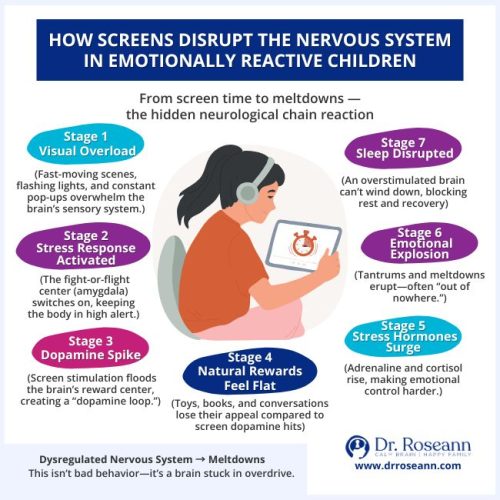
In my 30+ years of practice, I see kids whose nervous systems get so overwhelmed they can't think straight. That's when we see tantrums that seem to come from nowhere. It's not bad parenting—it's a dysregulated brain.
Early Signs Your Child Is Struggling with Too Much Screen Time
I had a patient once, 10-year-old Jake (not his real name) with ADHD. Jake gamed for 4+ hours daily. His parents noticed more irritability and explosive reactions when asked to stop. After creating a structured schedule with movement breaks, Jake's emotional regulation improved within two weeks.
Change is always possible.
Watch for these red flags:
- Bigger meltdowns after screen use
- Sleep battles or bedtime resistance
- Physical complaints like headaches
- Avoiding previously loved activities
- Explosive reactions when screen time ends
- Trouble transitioning between activities
Remember: You're not alone in noticing these patterns. Your child's behavior is communication—they're telling you their nervous system needs support.
What Screen Habits Can Increase Dysregulation Without You Noticing?
Some hidden triggers fly under the radar but create massive stress on your child's nervous system. It's a hot mess, but fixable.
Sneaky problem habits:
- Background TV during dinner
- Screens for emotional calming (using iPad to stop tears)
- Multiple devices at once
- Evening exposure within 2 hours of bedtime
- High-intensity content on already overwhelming days
Sophie's pattern: Eight-year-old Sophie used tablets to "calm down" after school meltdowns. While it stopped the tears temporarily, it prevented her from learning real coping skills and made future struggles worse.
When we use screens as emotional band-aids, we accidentally prevent kids from building their own regulation skills.
Dr. Roseann's Therapist Tip
In my 30+ years helping families, I've learned timing beats duration every time. Here's what I tell parents: Never give screens immediately after meltdowns. Help your child's nervous system settle first through deep breathing, movement, or sensory activities.
Try this today: Create a "calm corner" with fidgets, soft music, and a cozy blanket. When your child is upset, guide them there before any screen time.
Why it works: This teaches their brain they have internal resources for comfort, not just external stimulation.
Stay strong, take care of yourself—you're building their emotional toolbox, one step at a time.
What Simple Shifts Can You Do To Support Healthier Screen Use at Home?
Creating healthy boundaries doesn't mean eliminating devices. Small changes create big improvements in emotional regulation.
Strategies that actually work:
The 20-20-20 Rule: Every 20 minutes, look at something 20 feet away for 20 seconds
- Reduces overstimulation
- Creates natural breaks
- Builds self-awareness
Movement integration:
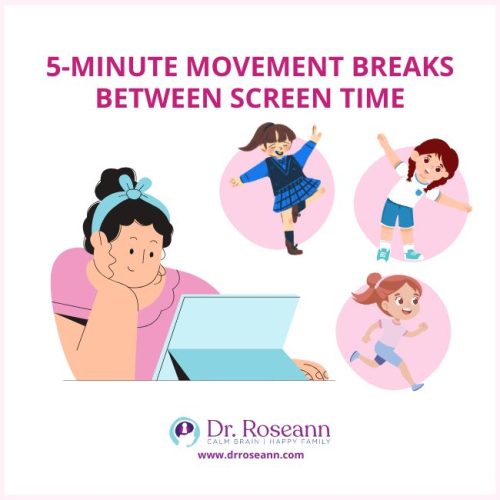
- Dance breaks between shows
- Stretches during transitions
- Walking while discussing content
The co-regulation approach:
Instead of battles, try co-viewing. Your calm presence helps regulate their nervous system response to stimulation. It's a marathon, not a sprint.
How Your Reactions Shape Your Child's Relationship with Screens
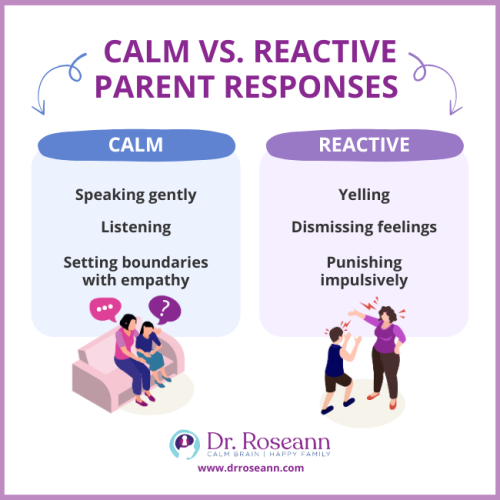
Your emotional response to screen struggles directly impacts your child's relationship with technology. Dysregulated kids often mirror your energy, amplifying the emotions they sense from you.
Regulation-supporting responses:
- Stay calm during transitions
- Use empathy: "I know it's hard to stop. Let's breathe together."
- Acknowledge feelings: "You're disappointed. That makes sense."
- Offer connection: "After devices, want to read together?"
The Truth About "Educational" Screen Time and Mental Health
Many parents think educational screens are automatically better. The research tells a different story—balance beats elimination every time.
The educational myth: Apps marketed as "educational" often contain the same rapid stimulation as games, potentially creating similar dysregulation.
Lucy's learning journey: Nine-year-old Lucy with autism loved educational apps but couldn't transfer skills to real life. When her parents practiced app concepts through hands-on activities, her retention improved by 60%.
What Research Shows:
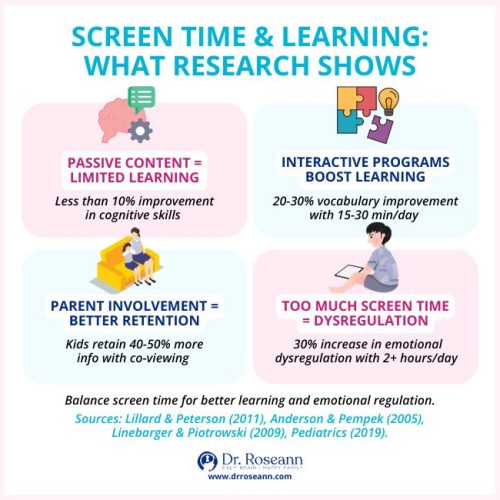
- Passive educational content shows limited learning benefits: A study by Lillard & Peterson (2011) found that children aged 2-5 who watched passive educational TV, such as Sesame Street, showed less than 10% improvement in cognitive skills when compared to more interactive learning methods.
- Interactive programs can help when used strategically: Research from the Journal of Applied Developmental Psychology found that children who interacted with educational apps for an average of 15-30 minutes per day experienced a 20-30% improvement in vocabulary, compared to those who only consumed passive content (Anderson & Pempek, 2005).
- Parent involvement during screen time increases value significantly: According to a study by the American Academy of Pediatrics, children are 40-50% more likely to retain information and apply it in real life when parents co-view or engage in screen time activities with them (Linebarger & Piotrowski, 2009).
- Excessive screen time, even for educational purposes, can lead to dysregulation: A study published in Pediatrics (2019) revealed that children who engaged with screens for more than 2 hours per day experienced a 30% increase in emotional dysregulation and sleep difficulties, particularly children with ADHD.
The bottom line: Educational doesn't automatically mean regulation-supporting. Balance is key—take your child's nervous system into account first, and then focus on meeting their learning goals.
When Does Screen Use Become a Warning Sign for Bigger Issues
Sometimes screen behaviors signal deeper mental health challenges requiring professional support. It's okay if you haven't gotten it right before—we're all learning.
Red flags needing professional help:
Red Flag What to Look For Complete refusal to do non-screen activities Child refuses to engage in any activities that don’t involve screens, such as playing outside, reading, or doing homework. Physical aggression when screens are limited Outbursts of anger or physical aggression when screen time is reduced or taken away. Severe sleep disruption despite boundaries Difficulty falling asleep or staying asleep, even with consistent screen time limits before bedtime. Social withdrawal from family Avoidance of family interactions and social events, preferring to isolate with screens. Academic failure linked to screen conflicts A noticeable decline in academic performance due to conflicts or distractions caused by screen use. Self-harm threats related to restrictions Threats or actions of self-harm when
screen time is restricted or when the child is unable to access their device.
Timeline: If concerning behaviors persist for 2-3 weeks despite consistent boundaries, seek professional evaluation.
How To Support Your Family's Digital Journey
Managing screen time with dysregulated kids isn’t about striving for perfection—it’s about making steady, meaningful progress. You’re not alone in this journey, and by understanding the powerful link between screen time and emotional regulation, you’re already a step ahead of most families.
Small, consistent changes will lead to lasting improvements in your child’s emotional regulation—and in the overall harmony of your home. You’ve got this, even on the tough days. Progress is possible.
Ready for a plan that works for your family? Sign up for The Dysregulation Insider newsletter and get The Regulation Rescue Kit—a helpful guide filled with calming strategies, simple activities, and expert tips that will help you navigate screen time with confidence. Together, we’ll build healthier habits, one step at a time.
FAQs
How do I know if my child is spending too much time on screens?
You’ll know your child is spending too much time on screens if you see irritability, trouble transitioning off devices, or sleep disruptions—these are common signs of screen overload.
Is “educational” screen time good for my child?
Educational screen time can be helpful in small doses, but too much educational screen time can still overstimulate your child’s brain and affect regulation.
Can screen time affect my child’s sleep?
Yes, screen time can affect your child’s sleep by disrupting melatonin production and keeping their nervous system alert when it should be winding down.
Should I eliminate screens completely for my anxious child?
Eliminating screens completely for an anxious child can backfire, so it’s better to create structured, predictable screen time while supporting regulation skills.
How do I handle screen time meltdowns?
Handling screen time meltdowns starts with staying calm, validating your child’s feelings, and using clear transitions like countdown warnings to ease the shift away from screens.
What does screen time do to my child’s nervous system?
Screen time can dysregulate your child’s nervous system by overstimulating the brain, making it harder for them to stay calm, focused, and emotionally balanced.
Why does my child act dysregulated after screen time?
Your child may act dysregulated after screen time because their brain is coming down from high stimulation, which can lead to irritability, big emotions, and poor impulse control.
How much screen time is okay for a dysregulated child?
The right amount of screen time for a dysregulated child is usually limited and structured, with plenty of breaks for movement, connection, and calming activities.
Citations
Anderson, D. R., & Pempek, T. A. (2005). Television and very young children. American Behavioral Scientist, 48(5), 505-522. https://doi.org/10.1177/0002764204271506
Hutton, J. S., Dudley, J., Horowitz-Kraus, T., De Witt, T., & Holland, S. K. (2020). Associations between screen-based media use and brain white matter integrity in preschool-aged children. JAMA Pediatrics, 174(1), e193869.
https://doi.org/10.1001/jamapediatrics.2019.3869
Lillard, A. S., & Peterson, J. (2011). The immediate impact of different types of television on young children’s executive function. Pediatrics, 128(4), 563-570. https://doi.org/10.1542/peds.2011-0878
Linebarger, D. L., & Piotrowski, J. T. (2009). Television and children’s learning: The role of content and context in the effects of educational television. Developmental Psychology, 45(1), 104. https://doi.org/10.1037/a0014096
©Roseann Capanna-Hodge
For parents who want a deeper understanding of why dysregulation happens—and what actually helps—Dr. Roseann explores these strategies in The Dysregulated Kid.
Always remember… “Calm Brain, Happy Family™”
Disclaimer: This article is not intended to give health advice and it is recommended to consult with a physician before beginning any new wellness regime. The effectiveness of diagnosis and treatment vary by patient and condition. Dr. Roseann Capanna-Hodge, LLC does not guarantee certain results.
Are you looking for SOLUTIONS for your struggling child or teen?
Dr. Roseann and her team are all about science-backed solutions, so you are in the right place!
Meet the Expert
Licensed Therapist | Certified School Psychologist
Board Certified in Neurofeedback (BCN) | 30+ Years Clinical Experience
Expert in Emotional Dysregulation in Children and Nervous System Regulation
Host, Dysregulated Kids Podcast | Author, The Dysregulated Kid
Dr. Roseann Capanna-Hodge is a licensed therapist, certified school psychologist, and leading expert in emotional dysregulation in children and nervous system regulation. With over 30 years of clinical experience and having analyzed more than 10,000 brain maps, she helps families understand what behavior is really signaling—and how to calm the nervous system first so real change can happen.
She is the creator of Regulation First Parenting® and the CALMS Protocol™, host of the top 1% podcast Dysregulated Kids, and author of The Dysregulated Kid.