Find Your Solution
In 3 minutes, you’ll know where to start ➤
%20.png)





Is your child melting down despite a full schedule? Is over-scheduling hurting your child's nervous system? This episode reveals how too much activity dysregulates kids—and how less can bring calm. Dr. Roseann Capanna-Hodge, founder of Regulation First Parenting™, shows why calming the brain restores balance.
If you’ve ever wondered why your child melts down after activities you thought were helping—or why home feels like the emotional fallout zone—you’re not alone.
In this episode, I unpack how over scheduling can quietly overwhelm a child’s nervous system, why even “good” activities can backfire, and what actually helps kids find calm, focus, and emotional balance again.
Many parents sign kids up with good intentions: sports, music lessons, enrichment activities. But more isn’t always better. When children go from school to after school activities to homework to bed, their nervous system never gets a break.
Real-life example: A child thrives at elementary school and extracurricular activities—but explodes over socks at home. That’s not bad behavior. It’s cumulative stress.
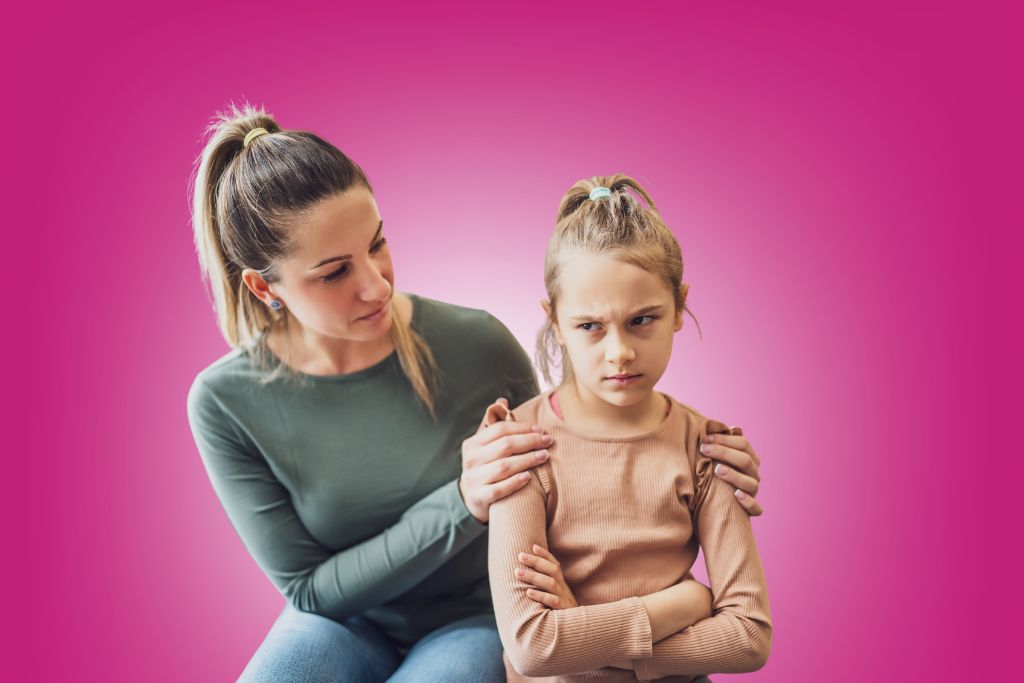
This is one of the biggest clues of a child overscheduled. Home is the safe place where the nervous system finally crashes. When kids hold it together all day, the stress has to come out somewhere.
️ “When kids fall apart at home but are phenomenal at school, it’s a classic sign of nervous system overload.” — Dr. Roseann
It’s not bad parenting—it’s a dysregulated brain.
Yes—when there’s no balance. Research shows chronic stress elevates cortisol, overloads the prefrontal cortex, and negatively impacts emotional well being, sleep, and a child’s cognitive ability.
This is especially true for kids with ADHD, anxiety, OCD, PANS/PANDAS, or other mental health challenges—but all children need downtime.
If your child’s nervous system runs “hot,” tools like Quick CALM can help bring fast regulation support into daily life. Learn more at https://drroseann.com/quickcalm/.
One activity alone isn’t the problem—it’s the pattern. When these signs stack up, your child is telling you they’re maxed out.
Example: A parent removed just one organized activity from their child’s week. Within days, meltdowns dropped dramatically—without adding anything new back in.
If you’re tired of walking on eggshells or feeling like nothing works…Get the FREE Regulation Rescue Kit and finally learn what to say and do in the heat of the moment.Become a Dysregulation Insider VIP at www.drroseann.com/newsletter and take the first step to a calmer home.
Kids don’t need to be constantly busy to develop skills. They need predictability, recovery, and unstructured time.
Children heal in quiet, not chaos. They can’t self-regulate if every minute is filled.
Many parents feel pressure—from schools, friends, and society—to keep children occupied. But your child’s behavior should guide the calendar, not the other way around.
Try this mindset shift:
Kids don’t need more activities. They need a regulated childhood. It’s gonna be OK.
If your child is overwhelmed, reactive, or emotionally fragile, pause before adding more. This isn’t about quitting everything—it’s about finding balance so your child can truly thrive.
Yes. Too many activities can increase stress, disrupt sleep, and negatively impact mental health and behavior.
If your child shows meltdowns, sleep issues, or physical complaints, it may already be too many.
Yes. Unstructured play supports creativity, self-regulation, and emotional resilience.
Stress often shows up as physical symptoms in children when their nervous system is overloaded.
Sometimes, yes—especially if the activity consistently dysregulates their behavior or sleep.
Every child’s journey is different. That’s why cookie-cutter solutions don’t work.
Take the free Solution Matcher Quiz and get a customized path to support your child’s emotional and behavioral needs—no guessing, no fluff.
Start today at www.drroseann.com/help
Dr. Roseann Capanna-Hodge is a licensed therapist, certified school psychologist, and leading expert in emotional dysregulation in children. With over 30 years of experience, she helps parents understand the root causes of meltdowns, anxiety, ADHD, and challenging behavior through the lens of nervous system regulation. Dr. Roseann teaches practical, science-backed strategies for co-regulation and how to calm a dysregulated child using her Regulation First Parenting™ approach. She is the host of the Dysregulated Kids Podcast and author of The Dysregulated Kid.
Dr. Roseann Capanna-Hodge
Emotional Dysregulation in Children & Nervous System Expert
Regulation First Parenting™ | CALMS Protocol™
Host of the Dysregulated Kids Podcast (Top 1% Globally)
Author of The Dysregulated Kid