Find Your Solution
In 3 minutes, you’ll know where to start ➤
%20.png)





Estimated Reading Time: 6 minutes
When parents ask me abut Hyperfocus and ADHD, I alwas say that it can feel like a superpower. They lock into something they love—whether it’s Legos, drawing, or coding and everything around them fades away. But when it’s time to shift gears, homework, chores, or any transition, it’s a completely different story: overwhelm, tears, and power struggles that drain everyone.
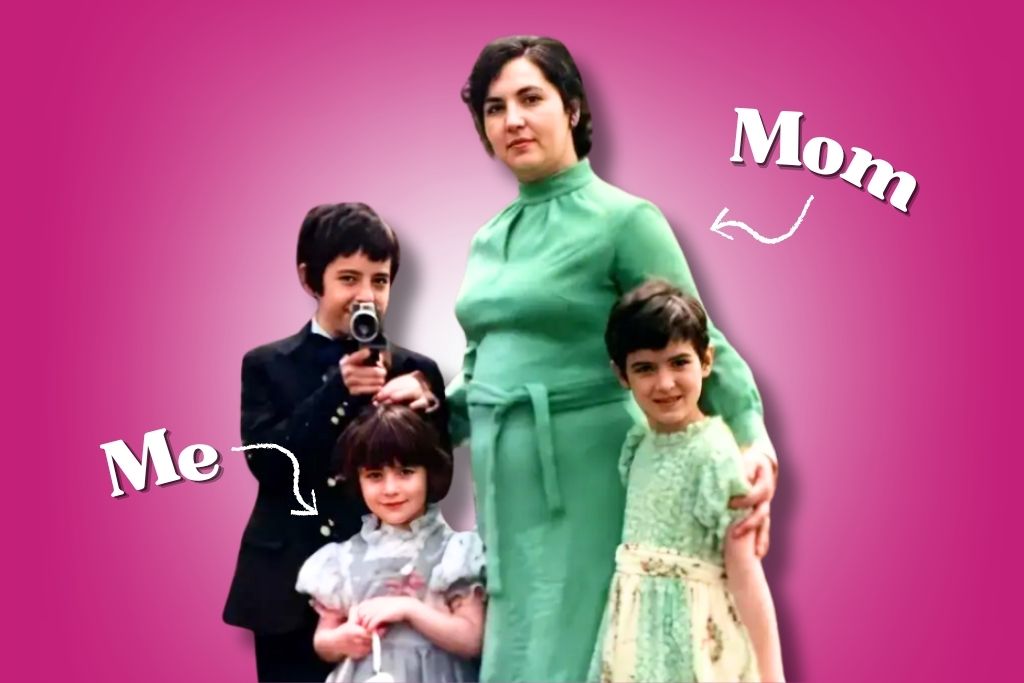
As a clinician and a special-needs mom, I know this journey firsthand. Hyperfocus isn’t a flaw—it’s a clue. It’s your child’s dysregulated brain seeking stimulation. Once we understand this, everything becomes clearer. We can support their nervous system, reduce conflict, and help them feel capable in all areas, not just the ones they love.
Children with ADHD often swing between understimulation and overstimulation. Hyperfocus happens when their brain gets just enough activation to feel engaged. However, in low-interest areas, the brain drops into understimulation, triggering avoidance or shutdown.
It’s not defiance—it’s dysregulation.
A teen I worked with could code for hours but froze at writing assignments. Once we added sensory breaks, timers with written cues, and a visual finish line, task initiation finally felt doable.
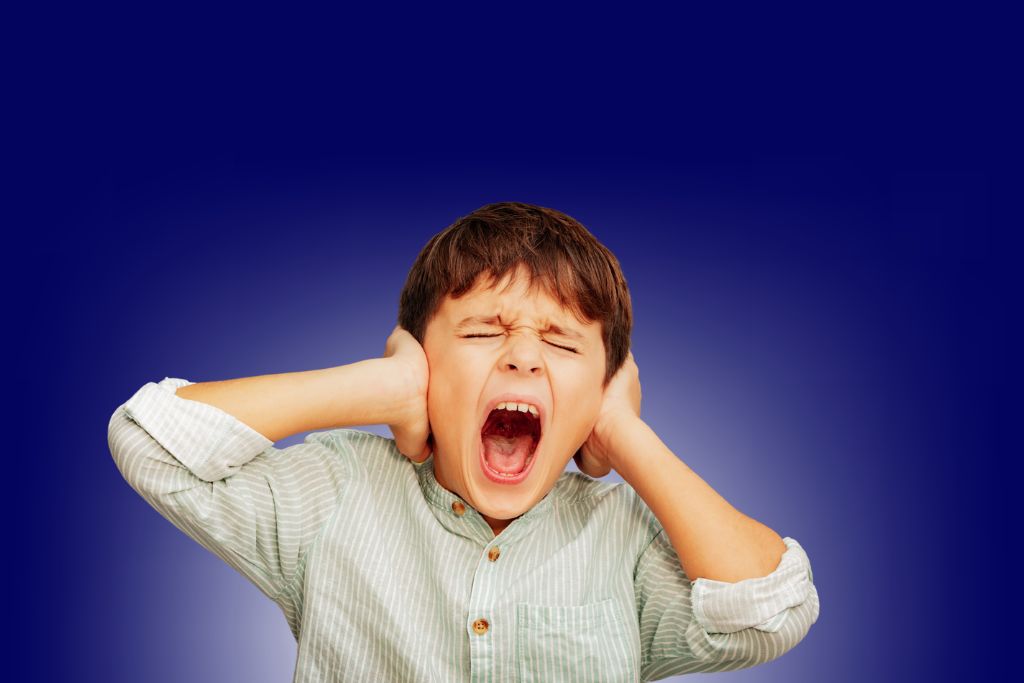
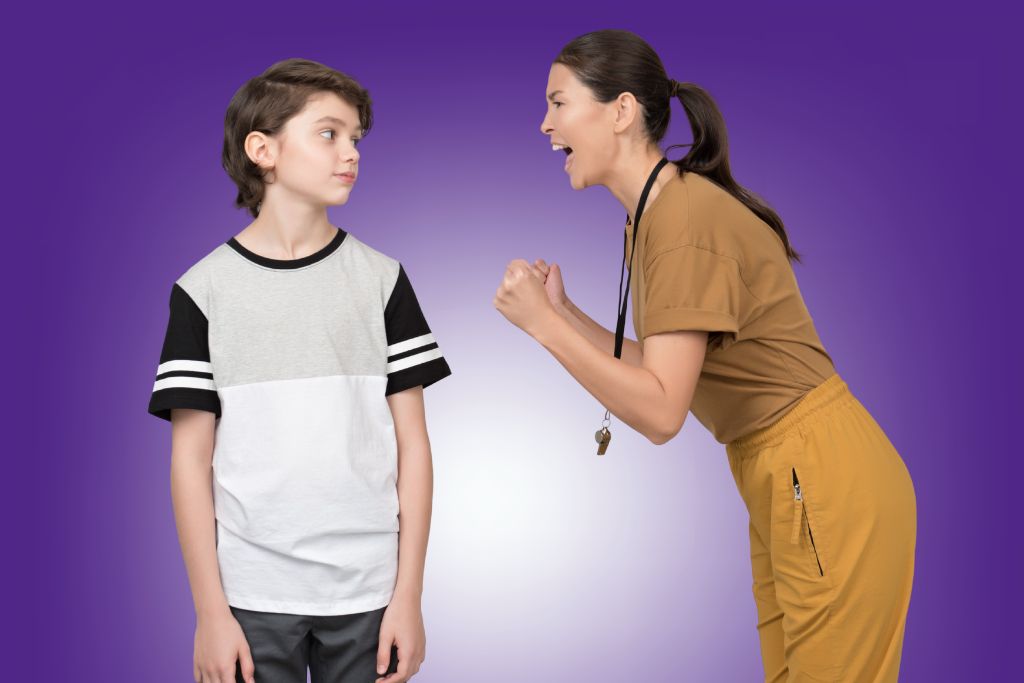
Hyperfocus creates a mental tunnel, and pulling kids out of it abruptly can feel like waking them from deep sleep. The shift can be disorienting and frustrating for them.
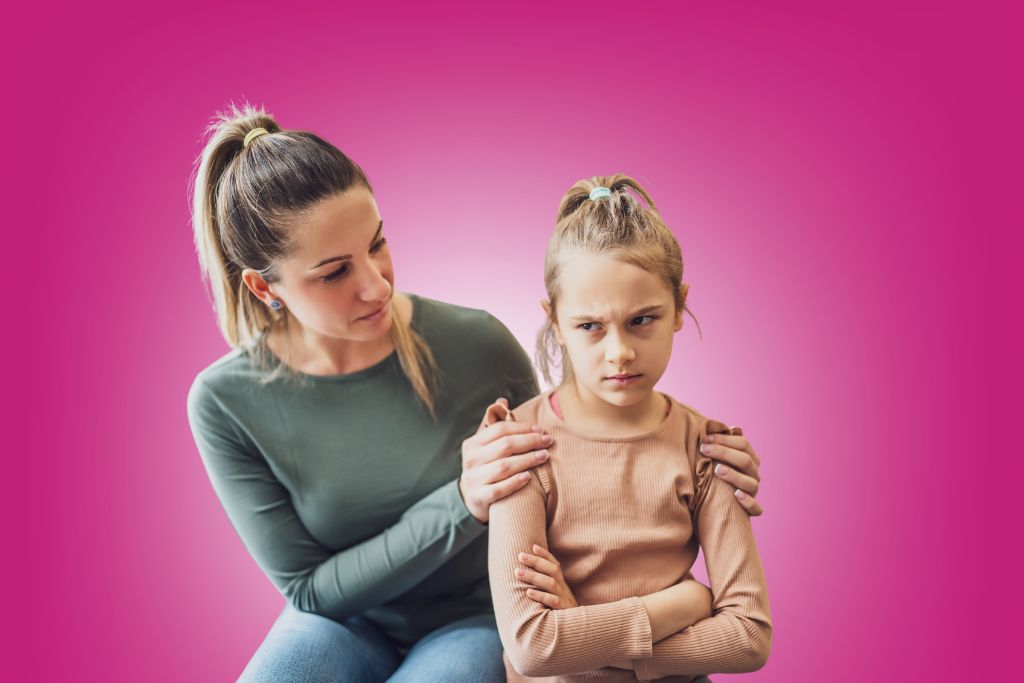
By validating their feelings, you can help soften the transition, making it less of a battle.
Hyperfocus isn’t just a challenge; it can be a true strength. When kids are in the zone, they can:
🗣️ “Hyperfocus isn’t defiance—it’s your child’s dysregulated brain seeking stimulation. When we calm the brain first, everything else gets easier.” — Dr. Roseann
When tasks don’t come easily, kids with ADHD often spiral into negative self-talk. They might believe they’re "bad" or "stupid." But remember, behavior is communication, and the message is usually: “My brain can’t do this right now.”
A parent noticed that their child had a meltdown at the thought of starting homework, but once they introduced small breaks and praised every effort, the frustration dropped. Small wins build confidence.
Regulating your child’s emotions starts with self-regulation—your calm helps theirs. We can’t co-regulate from chaos. The first step is to regulate yourself so you can lead with calmness and empathy.
Hyperfocus can be both a challenge and a gift. When we understand the brain behind hyperfocus, we can support our kids with clarity and compassion. With calm-first tools and a deeper understanding of how their brain functions, you can help your child harness their strengths while managing challenges.
Want more tools to help your child build focus and reduce frustration? Listen next to Behavioral Interventions for ADHD to learn strategies that support a dysregulated nervous system.
Step-down timers and movement are your best friends. Acknowledge the challenge, and offer gentle support for the transition.
Not necessarily. Hyperfocus often reflects a child’s need for stimulation, not intelligence. It’s a way their brain regulates itself.
If the child can’t shift out of it or is skipping important tasks, it’s time to regulate and gently guide them back to balance.
Yes! Sensory tools, neurofeedback, movement, and co-regulation are all effective for managing hyperfocus naturally.
Not sure where to start?
Take the guesswork out of helping your child. Use my free Solution Matcher to get a personalized plan for your child’s needs. Start here: www.drroseann.com/help
Dr. Roseann Capanna-Hodge is a licensed therapist, certified school psychologist, and leading expert in emotional dysregulation in children. With over 30 years of experience, she helps parents understand the root causes of meltdowns, anxiety, ADHD, and challenging behavior through the lens of nervous system regulation. Dr. Roseann teaches practical, science-backed strategies for co-regulation and how to calm a dysregulated child using her Regulation First Parenting™ approach. She is the host of the Dysregulated Kids Podcast and author of The Dysregulated Kid.
Dr. Roseann Capanna-Hodge
Emotional Dysregulation in Children & Nervous System Expert
Regulation First Parenting™ | CALMS Protocol™
Host of the Dysregulated Kids Podcast (Top 1% Globally)
Author of The Dysregulated Kid