Find Your Solution
In 3 minutes, you’ll know where to start ➤
%20.png)





Estimated Reading Time: 6 minutes
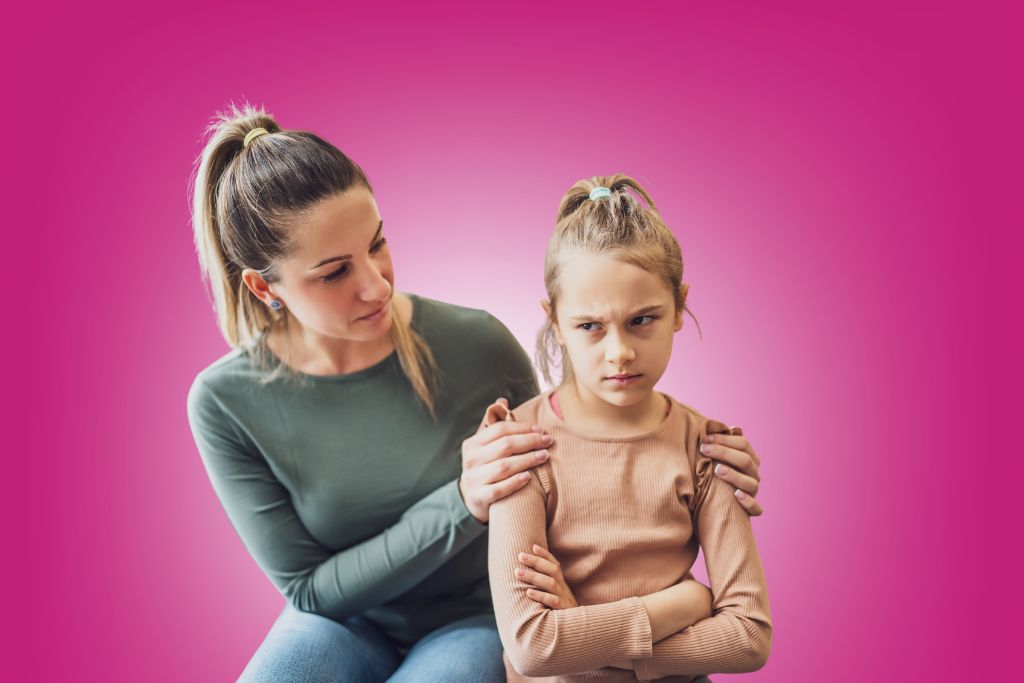
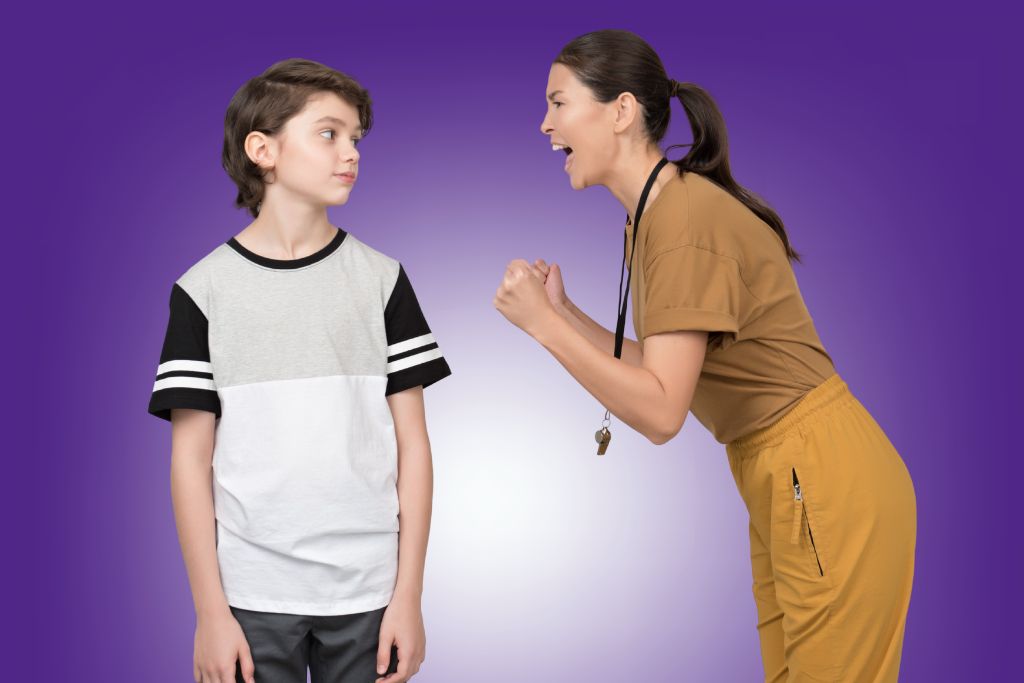
If your child argues about everything, melts down over “no,” or seems constantly frustrated, you’re not imagining it. Oppositional behavior drains the whole family, and parents often feel blamed or misunderstood.
In this episode, I explain how to deal with oppositional behavior through the lens of nervous system dysregulation. These behaviors aren’t defiance, they’re signals that your child’s brain is overwhelmed, sensitive, or stuck in fight, flight, or freeze.
When your child seeks conflict, their nervous system is in overdrive. They aren’t choosing hostility, they’re dysregulated. Start by regulating yourself first so you can model calm.
Try:
Oppositional behavior rarely shows up alone. It can stem from:
Understanding the root cause helps you target support instead of staying stuck in power struggles.
Kids with low frustration tolerance ignite quickly. Their brain interprets minor demands as overwhelming. This is dysregulation, not defiance.
Support them with:
The word “no” can activate your child’s nervous system alarm. Brain maps show disrupted self-regulation networks in oppositional kids.
You can protect your peace by:
🗣️ “Nobody wants to act angry or irritated on purpose, this behavior comes from a dysregulated brain.” — Dr. Roseann
Children need explicit teaching, repetition, and practice, but only when calm.
Try:
Oppositional behavior is often a volcano. Our job is to widen the window before eruption.
Sometimes oppositional behavior spikes because a child’s nervous system is overwhelmed or under-stimulated. Sensory regulation helps the brain self-soothe and stay in a zone where learning and cooperation are possible.
Try these strategies:
Parent example: A child who yells during homework calms significantly after a 5-minute sensory break with a weighted lap pad. Small adjustments like this prevent escalations before they start.
Your calm is contagious. Co-regulation teaches your child that intense feelings can be managed without punishment. This foundation allows them to develop self-regulation over time.
Tips to practice co-regulation:
Parent story: During a sibling disagreement, instead of yelling, a parent modeled deep breathing. Within minutes, both children calmed and were able to discuss solutions. The nervous system learned it could settle when safe and supported.
Oppositional behavior isn’t disrespect—it’s a nervous system issue that needs calm, connection, and clear boundaries. When we regulate first, everything else becomes possible.
For a deeper dive, listen to the episode: What’s With My Kid’s Disrespectful Behavior?
Focus on co-regulation first. Stay calm, give one clear direction, and reinforce micro-successes.
Their nervous system is dysregulated. Emotional responses are stronger when the brain is overstimulated or under stress.
Not always. ODD is a clinical diagnosis, but many kids show oppositional behaviors due to anxiety, ADHD, trauma, or dysregulation.
Every child’s journey is different.
That’s why cookie-cutter solutions don’t work. Take the free Solution Matcher Quiz and get a customized path to support your child’s emotional and behavioral needs—no guessing, no fluff.
Start today at www.drroseann.com/help
Dr. Roseann Capanna-Hodge is a licensed therapist, certified school psychologist, and leading expert in emotional dysregulation in children. With over 30 years of experience, she helps parents understand the root causes of meltdowns, anxiety, ADHD, and challenging behavior through the lens of nervous system regulation. Dr. Roseann teaches practical, science-backed strategies for co-regulation and how to calm a dysregulated child using her Regulation First Parenting™ approach. She is the host of the Dysregulated Kids Podcast and author of The Dysregulated Kid.
Dr. Roseann Capanna-Hodge
Emotional Dysregulation in Children & Nervous System Expert
Regulation First Parenting™ | CALMS Protocol™
Host of the Dysregulated Kids Podcast (Top 1% Globally)
Author of The Dysregulated Kid