Find Your Solution
In 3 minutes, you’ll know where to start ➤
%20.png)





Estimated Reading Time: 6 minutes
When your child melts down, shuts down, or reacts intensely over small triggers, it can feel exhausting and confusing. You’re not alone and it’s not bad parenting. A dysregulated nervous system is often at the root of these behaviors.
In this episode, I share practical, science-backed strategies to calm the nervous system so attention, learning, and connection can follow.
After a long day, kids’ nervous systems are depleted. Dysregulated brains struggle to shift from sympathetic (fight-flight) mode to parasympathetic calm.
Supports that help:
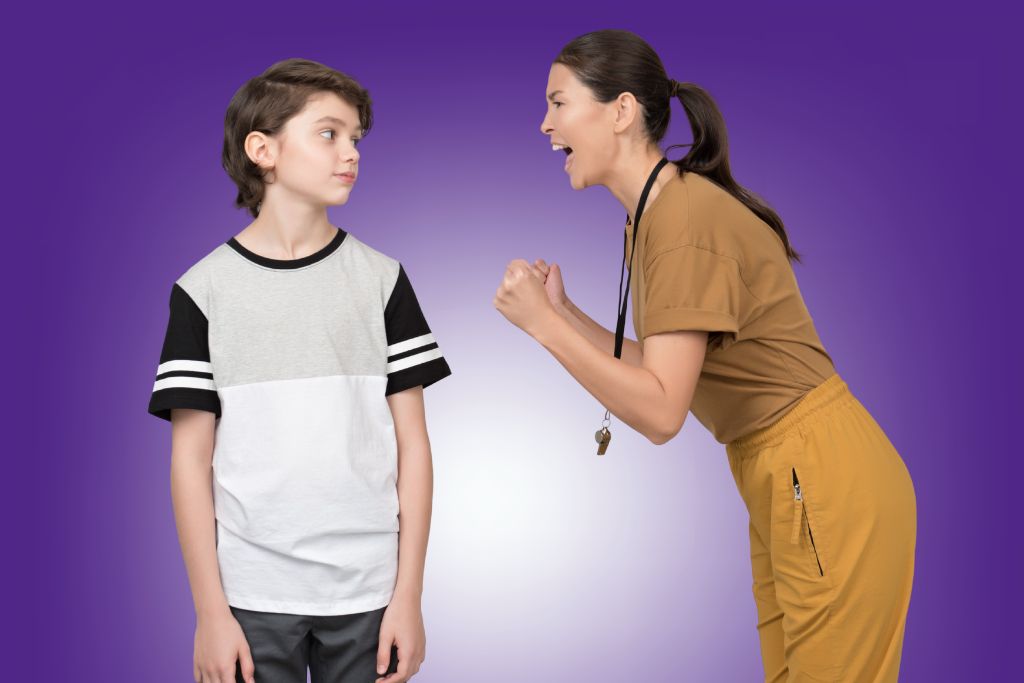
Parent example: Instead of yelling, a parent guided a child: “Let’s breathe together, grab a crunchy snack, then scooter for 10 minutes.” Meltdowns were reduced, and transitions became smoother.
Two brain-based tools help reset the system effectively:
Other supports:
Short, playful exercises work best for dysregulated kids.
Techniques:
Consistency matters more than perfection.
Consequences alone rarely teach self-regulation. Behavior is communication, and skills only stick once the nervous system is calm.
Supports to try:
Absolutely. Daily rhythms and nutritional support help the brain regulate effectively.
Tips:
🗣️ “Without regulation, nothing sticks.” — Dr. Roseann
When the brain is dysregulated, attention, learning, and behavior tools don’t work. By focusing on calming the nervous system first, children can start to regulate, learn, and connect more effectively. You’re not alone, and change is possible.
Have you ever sat in your car and thought, “I honestly don’t know what to do anymore”? I wrote The Dysregulated Kid for you. You don't need more shame; you need a roadmap. Get yours today.
Look for frequent meltdowns, shutdowns, impulsivity, sensory overwhelm, or sleep challenges.
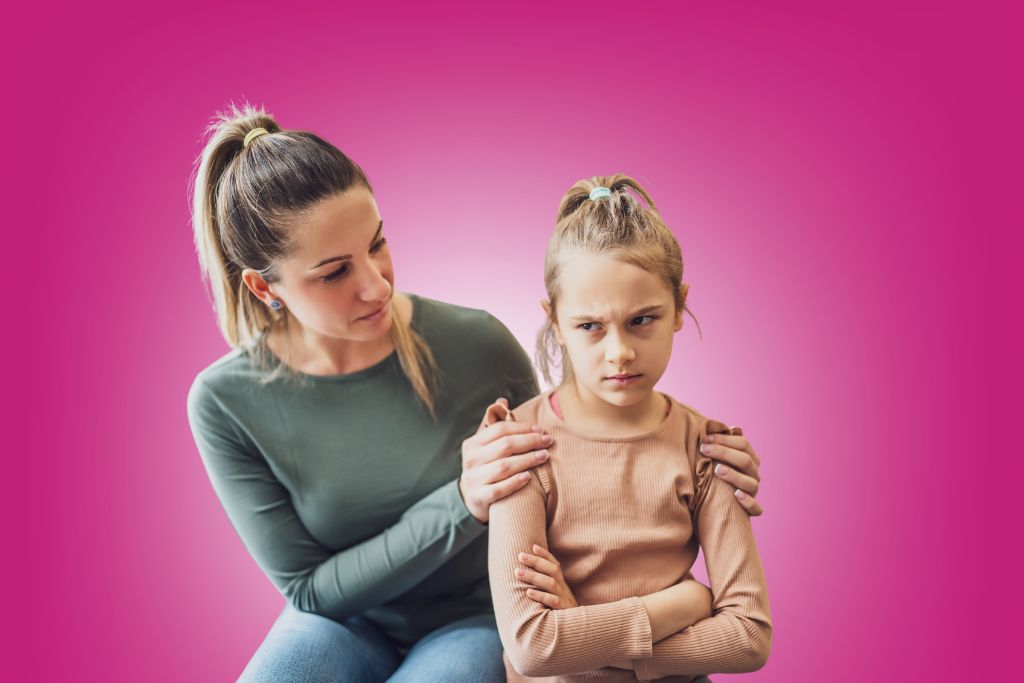
Co-regulate: slow your voice and breath, reduce sensory input, and then guide skills.
Yes. Short, playful exercises reset the nervous system and improve attention and emotional control over time.
Therapy works best after regulation. Calm the nervous system first, then skills and strategies stick.
When your child is struggling, time matters.
Don’t wait and wonder—use the Solution Matcher to get clear next steps, based on what’s actually going on with your child’s brain and behavior.
Take the quiz at www.drroseann.com/help
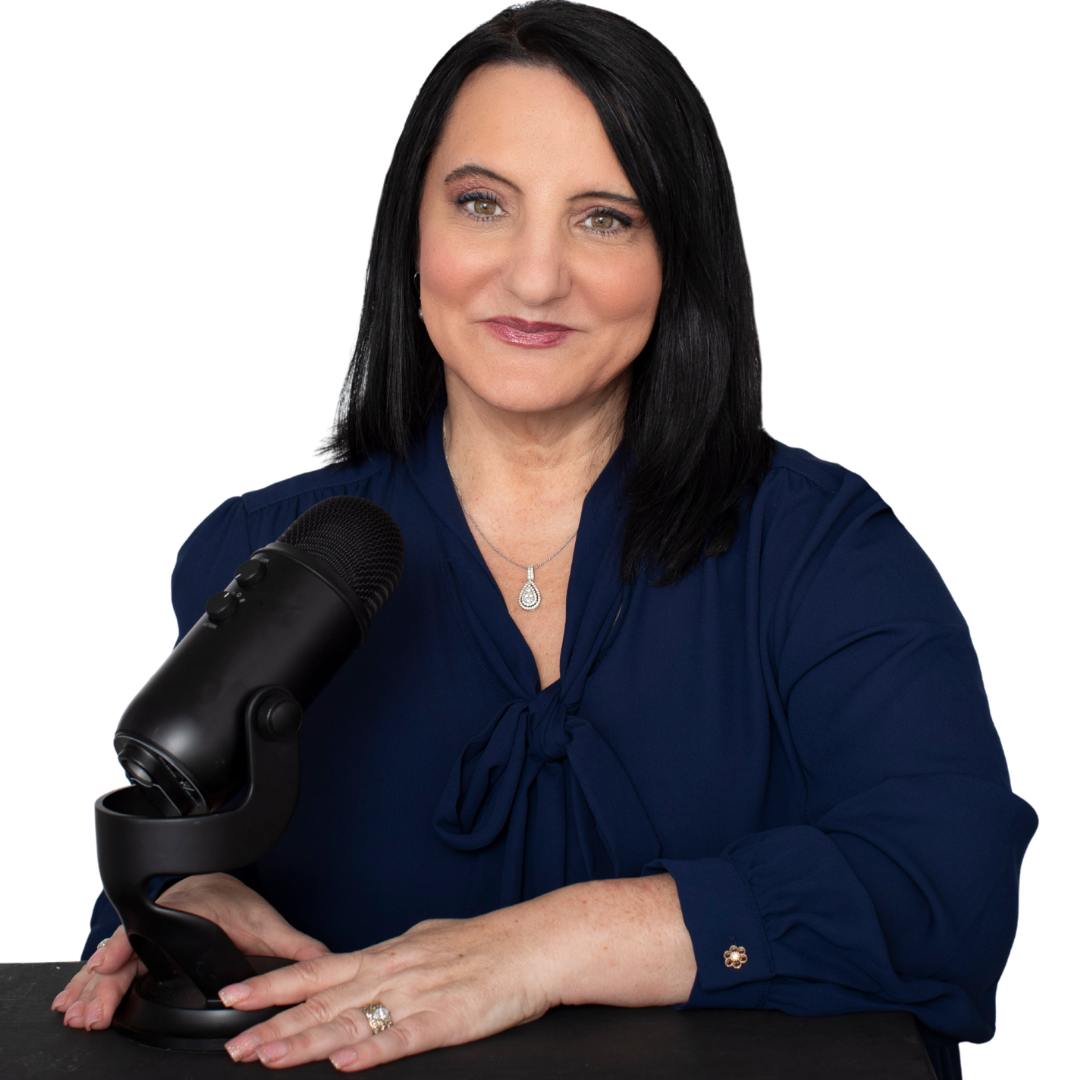
Dr. Roseann Capanna-Hodge is a licensed therapist, certified school psychologist, and leading expert in emotional dysregulation in children. With over 30 years of experience, she helps parents understand the root causes of meltdowns, anxiety, ADHD, and challenging behavior through the lens of nervous system regulation. Dr. Roseann teaches practical, science-backed strategies for co-regulation and how to calm a dysregulated child using her Regulation First Parenting™ approach. She is the host of the Dysregulated Kids Podcast and author of The Dysregulated Kid.
Dr. Roseann Capanna-Hodge
Emotional Dysregulation in Children & Nervous System Expert
Regulation First Parenting™ | CALMS Protocol™
Host of the Dysregulated Kids Podcast (Top 1% Globally)
Author of The Dysregulated Kid