Find Your Solution
In 3 minutes, you’ll know where to start ➤
%20.png)





Estimated Reading Time: 6 minutes
When your child melts down, shuts down, or reacts more intensely than expected, it can leave you feeling exhausted and overwhelmed. You’re not alone and it’s not bad parenting. Often, these behaviors are a signal from a dysregulated nervous system.
In this episode, I explain why behavioral dysregulation happens, how it affects learning and emotions, and share practical, science-backed self-regulation strategies that help both children and parents find calm.
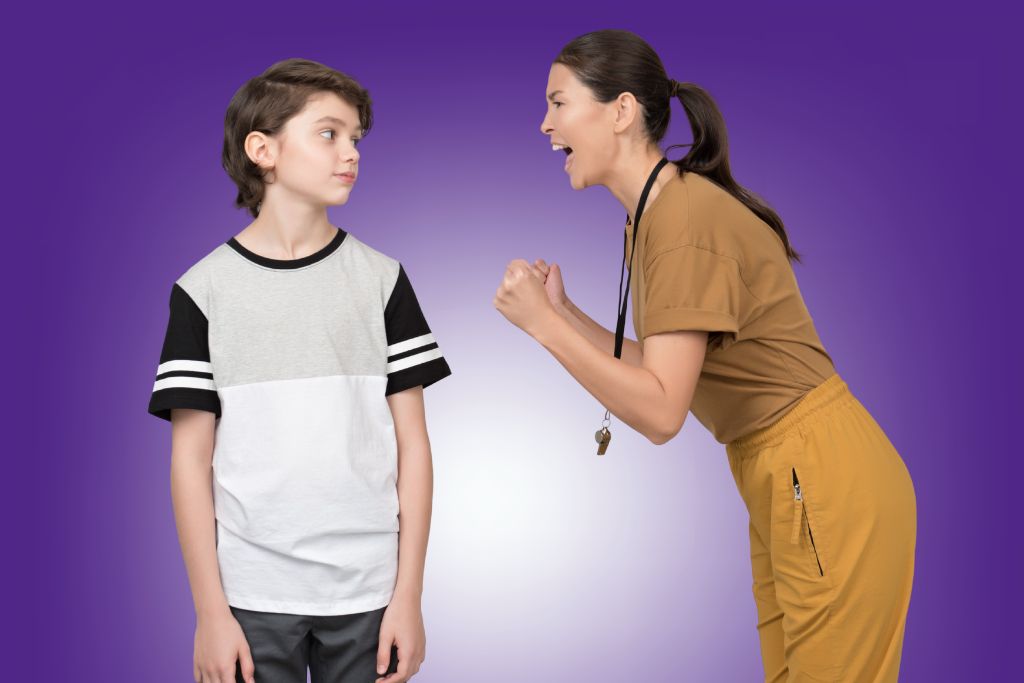
When the nervous system flips into sympathetic dominance—what I call a “brain on fire”—even minor requests can trigger extreme reactions.
Signs you might see:
Parent story: One child appeared calm at school but exploded at home. Calming the nervous system first helped reduce intensity and frequency of outbursts.
Takeaway: A dysregulated nervous system cannot learn or adapt effectively. Calm the brain first, then skill-building becomes possible.
Consistency in daily exercises helps children regulate emotions and reduce the frequency of meltdowns.
Practical exercises:
Parent example: A child who struggled to calm after school began using 5-minute mindfulness breaks and movement resets. Within two weeks, emotional outbursts decreased noticeably.
The home environment significantly affects nervous system regulation. Structured routines, visual cues, and sensory supports create stability for children with dysregulated brains.
Strategies for parents:
Parent story: A family implemented a visual morning routine and sensory corner. Over a few weeks, mornings became calmer, and homework battles dropped significantly.
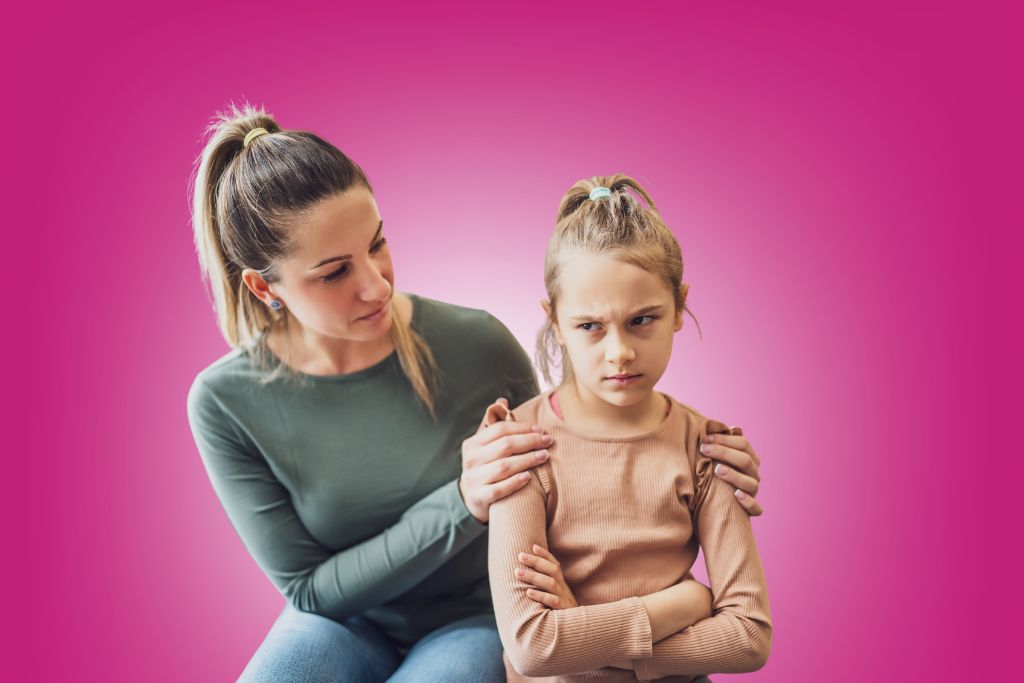
Kids don’t learn regulation by being told to “calm down.” They learn through modeling and co-regulation.
Practical parent tools:
Parent tip: Your calm becomes their calm—this is Regulation First Parenting™ in action.
Validation is key, but over-accommodation can reinforce dysregulation.
Try these strategies:
Takeaway: Kids learn that emotions aren’t dangerous. They can move through them safely.
Proactive sensory support helps regulate the nervous system before it reaches a tipping point.
Try these:
Parent story: A child practiced handling playground bumps through role-play. Confidence grew, and daily stress dropped.
Daily practice strengthens self-regulation skills and helps children manage emotions effectively.
Tips:
🗣️ “No learning, healing, or emotional growth can occur when the nervous system is dysregulated. Calm the brain first—then everything else becomes possible.” — Dr. Roseann
Behavioral dysregulation is not a reflection of willful misbehavior. By understanding the nervous system, providing sensory supports, modeling calm, and teaching coping strategies, children can develop emotional flexibility and resilience. You’re not alone—and it’s gonna be OK.
The reason nothing seems to work is that dysregulated kids need regulation before correction. Learn how to do exactly that in The Dysregulated Kid.
Look for overreactions, shutdowns, and difficulty calming down—these are signs of a dysregulated nervous system.
Yes. Co-regulation allows the child to mirror your nervous system, making regulation more accessible.
Sometimes, yes. For complex sensory challenges, an OT can provide strategies to reduce overwhelm.
Start with a predictable routine, short movement breaks, and calm modeling during transitions.
Tired of not knowing what’s really going on with your child?
The Solution Matcher gives you a personalized recommendation based on your child’s behavior, not just a label. It’s free, takes just a few minutes, and shows you the best next step.
Go to www.drroseann.com/help
Dr. Roseann Capanna-Hodge is a licensed therapist, certified school psychologist, and leading expert in emotional dysregulation in children. With over 30 years of experience, she helps parents understand the root causes of meltdowns, anxiety, ADHD, and challenging behavior through the lens of nervous system regulation. Dr. Roseann teaches practical, science-backed strategies for co-regulation and how to calm a dysregulated child using her Regulation First Parenting™ approach. She is the host of the Dysregulated Kids Podcast and author of The Dysregulated Kid.
Dr. Roseann Capanna-Hodge
Emotional Dysregulation in Children & Nervous System Expert
Regulation First Parenting™ | CALMS Protocol™
Host of the Dysregulated Kids Podcast (Top 1% Globally)
Author of The Dysregulated Kid