Find Your Solution
In 3 minutes, you’ll know where to start ➤
%20.png)





Estimated Reading Time: 6 minutes
If your child struggles to focus, follow directions, or regulate emotions, you’re not alone. I know how exhausting it is to repeat instructions, manage meltdowns, and feel like nothing sticks. Most of the time, this isn’t intentional, your child’s nervous system is dysregulated.
In this episode, I share behavioral interventions for ADHD that actually work: parent training, sensory tools, coping strategies, and structured routines. Small, consistent steps help kids regulate, listen, and succeed.
Listening starts with a regulated brain. When kids are dysregulated, directions don’t “land.” Their nervous system is overloaded, so even simple tasks can feel impossible.
Tips for supporting listening at home:
Real-life scenario: I worked with a child who ignored directions at breakfast. Once the parent paused, got eye contact, and calmly repeated the request, the child followed through without escalation.
Behavioral strategies fail not because they don’t work—they fail when brains are dysregulated or the approach lacks consistency.
Practical home strategies:
Think of it like building a muscle—practice, repetition, and modeling are key.
A plan on paper isn’t enough. Kids need accommodations that match how their brains actually work.
Consistency across home and school ensures the brain can regulate and follow-through improves.
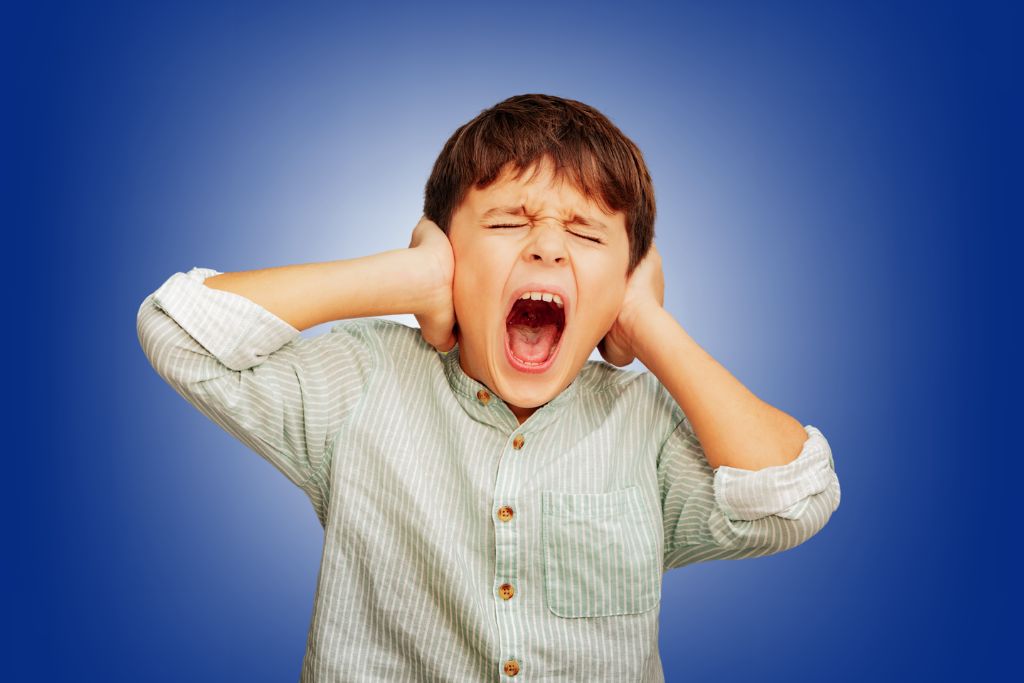
Kids with ADHD often experience intense emotional reactions. Their frontal lobes struggle to regulate the limbic system, causing meltdowns. Coping skills need repetition, validation, and gentle coaching.
Start small:
Real-life example: A child had a conflict with a sibling. We practiced “Feel → Breathe → Plan,” role-playing what to do next. Over time, these micro-skills reduced meltdowns.
One of the most powerful tools for supporting ADHD kids is tracking progress in small, achievable steps. When children see themselves succeed—even in tiny ways—they build confidence and motivation.
Tips for parents:
Real-life example: A child who struggled to pack their backpack now marks each completed step on a checklist. Seeing progress motivates them to complete the next step independently.
Even with the best strategies at home, some kids need specialized guidance. Knowing when to reach out can prevent chronic stress and frustration for both child and family.
Signs it’s time for professional support:
Seeking a specialist doesn’t mean failure—it means your child deserves tailored support. Early intervention can make all the difference in long-term outcomes.
ADHD and sensory processing challenges are deeply connected. Dysregulation often worsens with sensory overload or understimulation.
These strategies give kids tools to self-regulate and prevent meltdowns.
If nothing seems to work anymore, it’s probably not a behavior problem. It’s nervous system dysregulation. Learn the difference and what to do about it in The Dysregulated Kid.
Order your copy now: https://dysregulatedkid.com/
Consistent behavioral parent training paired with nervous system regulation creates lasting change.
If your child struggles to listen, transition, or cope, dysregulation—not defiance—is likely driving the behavior.
The emotional brain often overrides the thinking brain. Coping skills and co-regulation help bridge the gap.
Not sure where to start?
Take the guesswork out of helping your child. Use my free Solution Matcher to get a personalized plan for your child’s needs.
Start here: www.drroseann.com/help
Dr. Roseann Capanna-Hodge is a licensed therapist, certified school psychologist, and leading expert in emotional dysregulation in children. With over 30 years of experience, she helps parents understand the root causes of meltdowns, anxiety, ADHD, and challenging behavior through the lens of nervous system regulation. Dr. Roseann teaches practical, science-backed strategies for co-regulation and how to calm a dysregulated child using her Regulation First Parenting™ approach. She is the host of the Dysregulated Kids Podcast and author of The Dysregulated Kid.
Dr. Roseann Capanna-Hodge
Emotional Dysregulation in Children & Nervous System Expert
Regulation First Parenting™ | CALMS Protocol™
Host of the Dysregulated Kids Podcast (Top 1% Globally)
Author of The Dysregulated Kid