
Join the Dysregulation Insider get free calm parenting tips straight to your inbox!
YES, I'M IN!Overcoming Anxiety: Practical Tips for Parents | Nervous System Strategies | E200





Estimated Reading Time: 6 minutes
When your child feels anxious, overwhelmed, or shuts down over everyday tasks, it’s not bad parenting, it’s a dysregulated brain. You’re not alone. Anxiety in children can hijack attention, emotional regulation, and behavior, leaving parents exhausted and unsure what to do.
In this episode, I break down how overcoming anxiety works, why avoidance keeps kids stuck, and the small, science-backed steps that support real calm and confidence.
Why is my child suddenly so anxious all the time?
Anxiety rarely emerges from a single incident. Often it builds from cumulative stressors that push the nervous system into hyper-reactivity.
Common contributors include:
- Poor sleep
- Nutritional stress and processed foods
- Chronic overwhelm or academic pressure
- Parents’ own anxiety
- Lack of downtime for regulation
Parent scenario: Your child cries every morning before school even though nothing “big” happened. That’s not misbehavior, it’s a dysregulated nervous system sending a signal.
How do I know if my child’s behavior is anxiety or something else?
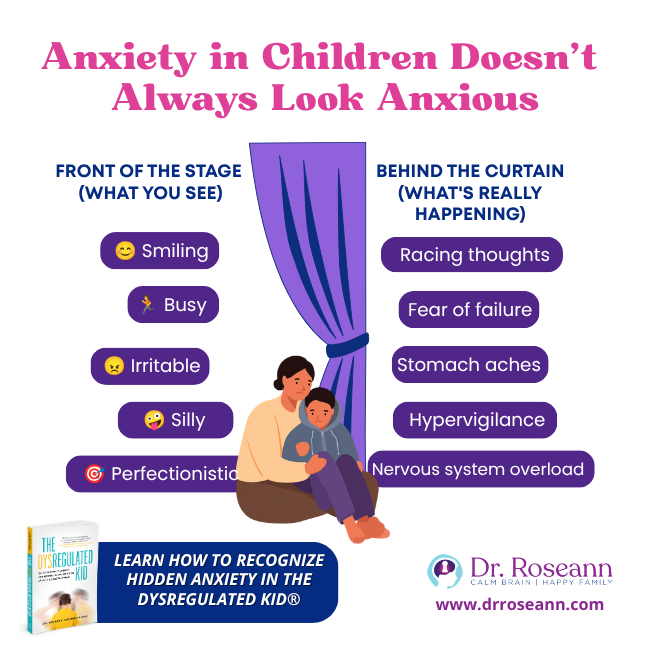
Anxiety often shows up as behaviors long before kids can articulate feelings. Watch for:
- Avoidance (school, social situations, appointments)
- Irritability or anger
- Fearfulness and excessive worry
- Sleep issues
- Somatic symptoms like headaches or stomachaches
Behavior is communication. Your child isn’t trying to be difficult—their brain is struggling to cope.
What should I do when my child avoids things because of anxiety?
Avoidance temporarily reduces discomfort but reinforces anxiety long-term.
Try this approach:
- Validate feelings: “I know this feels hard.”
- Problem-solve together: comfort items, step-by-step exposure
- Break tasks into tiny, manageable wins
- Celebrate progress, not perfection
Parent example: A child panics at the dentist. Instead of canceling, the family creates a plan: watch a movie, listen to music, then sit in the chair for 1 minute. Confidence builds gradually.
How can I support my anxious child without enabling avoidance?
Being supportive isn’t the same as removing all discomfort.
Support includes:
- Respecting genuine dislikes
- Teaching coping skills
- Helping them regulate
Not support:
- Canceling necessary appointments
- Shielding from all stressors
- Letting avoidance become habitual
🗣️“Avoidance only gives temporary relief, but it builds long term anxiety. Every small step rewires the brain for resilience.”—Dr.Roseann
Practical daily tools for calming an anxious nervous system
Consistency matters. Daily brain-calming routines help regulate stress and improve attention.
Try incorporating:
- Magnesium or multi-mineral support for nervous system balance
- Movement breaks and outdoor time
- Better nutrition
- Mindfulness exercises or short breathing routines
- Predictable routines for transitions and daily tasks
How anxiety shows up physically and emotionally
Many parents notice physical symptoms before the emotional ones become obvious and anxiety takes over.
Common signs include:
- Stomach aches, headaches, or sleep disruption
- Withdrawal from friends or activities
- Irritability or defiance
- Excessive reassurance seeking
Behavior is communication. Physical and emotional symptoms often indicate that the nervous system is dysregulated.
Why early intervention matters
Anxiety can compound if left untreated, affecting learning, friendships, and self-esteem. Early, proactive steps like regulating the nervous system, modeling coping strategies, and supporting exposure in safe ways make long-term success possible.
Parent tip: Track patterns over several weeks to understand triggers and tailor supports for your child’s unique nervous system profile.
How Regulation First Parenting® changes outcomes
This approach emphasizes calming the nervous system first before correction or teaching. Parents model regulation, which helps children learn coping skills faster and more reliably.
- Co-regulation: Your calm signals safety to your child
- Structured exposure: Small, repeated challenges build confidence
- Skills practice: Name it → Breathe it → Move it → Solve it
When done consistently, children gain emotional flexibility and resilience, and parents feel more empowered.
Ready for your next step? Start small and build from there:
- Quick CALM for when you need a fast reset in the moment
- Regulated Child Summit to understand how to raise a more regulated child (Tips from 30 Experts)
- Understanding your child's nervous system changes everything. I walk you through exactly how to do it in The Dysregulated Kid. Get the book.
FAQs
What triggers anxiety in kids?
Stress, sleep disruption, sensory overload, high expectations, and family stress often contribute.
Can anxiety show up as anger?
Yes. Emotional dysregulation may appear as irritability, defiance, or sudden outbursts.
Should I push my child to do things they fear?
No. Use small, incremental exposure paired with regulation and support.
Can parents’ anxiety affect kids?
Absolutely. Children often mirror a parent’s stress—calm your nervous system first.
Is anxiety always genetic?
No. Environment, stress, and nervous system activation play major roles alongside genetics.
Next Step:Feel like you’ve tried everything and still don’t have answers? The Solution Matcher helps you find the best starting point based on your child’s symptoms and behaviors.
Get your personalized plan now at www.drroseann.com/help
When your child is anxious, every parenting instinct may tell you to reassure them, fix the problem, or remove whatever is making them uncomfortable.
But confidence grows when children learn that they can move through stress—not when every uncomfortable feeling disappears. In The Dysregulated Kid®, I show you how to regulate first, co-regulate without rescuing, and help your child build greater nervous system capacity for worry and uncertainty. Get The Dysregulated Kid® at dysregulatedkid.com
Dr. Roseann Capanna-Hodge is a licensed therapist, certified school psychologist, and leading expert in emotional dysregulation in children. With over 30 years of experience, she helps parents understand the root causes of meltdowns, anxiety, ADHD, and challenging behavior through the lens of nervous system regulation. Dr. Roseann teaches practical, science-backed strategies for co-regulation and how to calm a dysregulated child using her Regulation First Parenting® approach. She is the host of the Dysregulated Kids Podcast and author of The Dysregulated Kid.
Dr. Roseann Capanna-Hodge
Emotional Dysregulation in Children & Nervous System Expert
Regulation First Parenting® | CALMS Protocol™
Host of the Dysregulated Kids Podcast (Top 1% Globally)
Author of The Dysregulated Kid

Find this helpful? Leave us a review!
Your feedback helps more overwhelmed parents find calm, clarity, and the proven tools that make everyday life easier.
Dr. Roseann Capanna-Hodge: Helping Families of Dysregulated Kids Thrive Through Regulation First Parenting®
As the creator of Regulation First Parenting®, she’s helping families of dysregulated kids discover a compassionate, brain-based path forward. Through The Dysregulated Kids™ Podcast (top 2% globally), she offers practical strategies that help parents understand their child’s brain and support lasting change.
Through The Global Institute of Children’s Mental Health and Dr. Roseann, LLC, she’s created resources like the Neurotastic® Brain Formulas and the Regulation First Parenting® framework—meeting families where they are and supporting them through challenges like ADHD, anxiety, OCD, PANS/PANDAS, and behavioral struggles.
Recognized by Forbes as “a thought leader in children’s mental health,” Dr. Roseann is changing how we understand emotional dysregulation in children—one family at a time.