Find Your Solution
In 3 minutes, you’ll know where to start ➤
%20.png)





You’re not failing—your child’s nervous system is overwhelmed. When big feelings hijack the brain, even simple requests feel impossible. In this short episode, I'll explain why emotional dysregulation in ADHD is so common and what’s really driving it. You’ll discover how to calm meltdowns and teach problem-solving once your child’s brain is regulated.
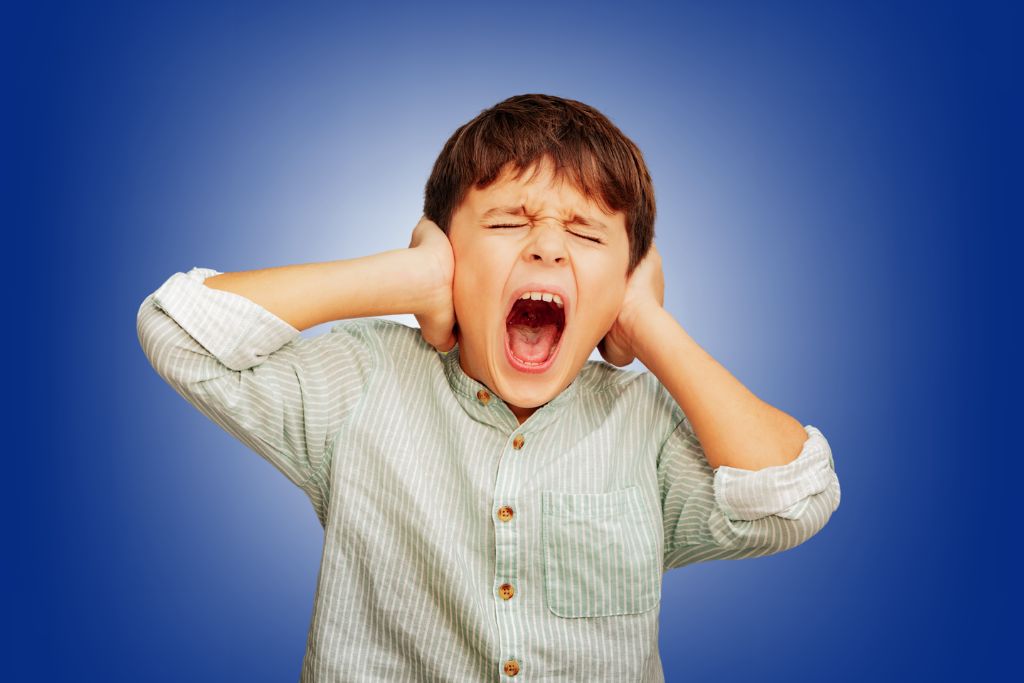
Emotional dysregulation in ADHD usually sits on top of impulse control and anxiety. Kids feel a surge (real or perceived threat), act before thinking, and then get flooded. About 70% of kids with ADHD struggle with regulation. Sometimes it's labeled “rejection sensitivity,” which makes everyday bumps feel like cliffs.Try this:
Example: After being told “No screen right now,” your child yells and slams doors. You step close, soften your shoulders, and say, “I’m here. We’ll talk when bodies are calm.” Minutes later, you revisit the plan.
Children with ADHD often experience rapid emotional shifts because their nervous system struggles to modulate stress.
Look for signs:
Parent story: One child would slam doors after a gentle reminder about screen time. Using Regulation First Parenting™, parents co-regulated first and later practiced problem-solving with short prompts.
Takeaway: Dysregulated behavior is not intentional; it’s a signal that the nervous system needs support.
Want to stay calm when your child pushes every button?
Become a Dysregulation Insider VIP and get the FREE Regulation Rescue Kit—your step-by-step guide to stop oppositional behaviors without yelling or giving in.
Go to www.drroseann.com/newsletter and grab your kit today.
Short answer: No. When dysregulated, a child’s thinking brain goes offline. Reasoning or lecturing adds fuel.Do instead:
Many families talk about feelings but miss the practice reps. Regulation is a learned skill.Make it stick with:
🗣️ “Avoid arguing or trying to reason with a dysregulated child; stay calm, don’t personalize the behavior, and model regulation.” — Dr. Roseann
Knowing isn’t doing when the brain is dysregulated. Kids with ADHD often need scaffolded problem-solving at every step (start, sustain, finish).Coach with prompts:
When your child is dysregulated, it’s easy to feel helpless.The Regulation Rescue Kit gives you the scripts and strategies you need to stay grounded and in control.Become a Dysregulation Insider VIP at www.drroseann.com/newsletter and get your free kit today.
Emotional dysregulation in ADHD is common and fixable when we Regulate → Connect → Correct™. Start by calming the nervous system and then rehearse bite-sized problem-solving. You’re not alone—and small, consistent steps create big change.
You do not need more parenting tricks. You need to understand what is happening in your child’s nervous system. Parents who feel completely stuck finally find relief in The Dysregulated Kid. Get it Now:
.png)
Lower stimulation, breathe, and say less. Co-regulate before correcting or teaching.
Yes, after the regulation. Teach short scripts and daily practice, not just labels.
Consistency matters more than perfection. Most families notice fewer and shorter meltdowns when they practice daily.
Every child’s journey is different. That’s why cookie-cutter solutions don’t work.Take the free Solution Matcher Quiz and get a customized path to support your child’s emotional and behavioral needs—no guessing, no fluff.
Start today at www.drroseann.com/help
Regulate. Connect. Correct.™ Because when we calm the brain first, everything follows.
Dr. Roseann Capanna-Hodge is a licensed therapist, certified school psychologist, and leading expert in emotional dysregulation in children. With over 30 years of experience, she helps parents understand the root causes of meltdowns, anxiety, ADHD, and challenging behavior through the lens of nervous system regulation. Dr. Roseann teaches practical, science-backed strategies for co-regulation and how to calm a dysregulated child using her Regulation First Parenting™ approach. She is the host of the Dysregulated Kids Podcast and author of The Dysregulated Kid.
Dr. Roseann Capanna-Hodge
Emotional Dysregulation in Children & Nervous System Expert
Regulation First Parenting™ | CALMS Protocol™
Host of the Dysregulated Kids Podcast (Top 1% Globally)
Author of The Dysregulated Kid