
Join the Dysregulation Insider get free calm parenting tips straight to your inbox!
YES, I'M IN!ADHD and Dyslexia | Emotional Dysregulation in Children | E189





Estimated Reading Time: 6 minutes
If your child is bright, curious, and still struggling with attention, homework, or reading, you’re not imagining it and you’re not alone. ADHD and dyslexia often overlap, and dyslexia can make a child appear inattentive because reading drains their cognitive resources. Understanding the differences and providing brain-based supports can make a profound difference.
In this episode, I explain why ADHD and dyslexia are frequently misdiagnosed, what’s happening in the brain, and how to provide effective interventions at home and in the classroom using Regulation First Parenting™.
How to Know if It’s ADHD, Dyslexia, or Both
Accurate assessment is essential. Many children are misdiagnosed because evaluators skip phonological testing or rely only on broad reading scores.
Assessments to include:
- Sound-by-sound decoding tests (e.g., WADE in Orton–Gillingham)
- Phonological processing measures
- Working memory assessments
- Optional QEEG brain mapping
- Full educational evaluation rather than brief screeners
Parent tip: If your child has a vague “reading disability” label, request a specific dyslexia evaluation. Early, precise identification ensures targeted remediation.
Why Schools Often Miss Dyslexia
Many teachers are undertrained in identifying dyslexia, which leads to delayed support.
- Push for targeted phonological testing
- Request Orton–Gillingham–based or Wilson reading programs
- Ask for an IEP or 504 when intensive instruction is required
- Advocate for 4–5 sessions per week, which research supports
Parent story: A mom reported, “They said he’d grow out of it.” Once her child received structured, multisensory instruction, progress improved dramatically.
Supporting ADHD and Dyslexia at Home
Kids with both ADHD and dyslexia have higher cognitive loads. Daily routines and brain-based tools make learning manageable.
Practical supports:
- Magnesium supplementation to support the nervous system
- Structured movement and breaks for attention regulation
- Consistent sleep, nutrition, and hydration
- Co-regulation: modeling calm helps their nervous system settle
Reading Interventions That Work
Not all reading programs are effective for dyslexia. Evidence-based, multisensory approaches are essential.
Gold-standard programs:
- Orton–Gillingham
- Wilson Reading System
- Lindamood-Bell
Key points:
- Break reading into sequential, kinesthetic learning steps
- Aim for 100% mastery before progressing
- Intensity matters more than session length
Parent story: Thousands of children I’ve worked with became fluent readers with structured programs—proving dyslexia is manageable with the right supports.
Why Attention Breakdowns Happen
Even highly capable kids may appear inattentive because their brains are exhausted from decoding and processing.
Look for:
- Zoning out during lessons
- Forgetting steps or instructions
- Avoidance of challenging assignments
- Melt-downs when tasks feel overwhelming
Parent story: A student who seemed “daydreamy” was actually stuck in repetitive thought loops caused by OCD-like anxiety and dyslexia frustration. Understanding this allowed parents to support attention instead of punishing “inattention.”
🗣️ “You can’t fix reading struggles without addressing the brain—and dyslexic brains learn differently, not poorly.” — Dr. Roseann
How Executive Functioning Impacts ADHD and Dyslexia
Executive function deficits contribute to task initiation, organization, and completion struggles.
Support strategies:
- Use visual checklists for multi-step tasks
- Break homework into micro-steps
- Teach planning and time management explicitly
- Positive reinforcement for incremental successes
Practical Strategies to Support ADHD and Dyslexia at Home
Supporting a child with ADHD and dyslexia at home requires structured routines, consistent reinforcement, and tools that reduce cognitive load.
Home strategies:
- Visual checklists for homework and daily tasks
- Break large tasks into micro-steps to prevent overwhelm
- Movement breaks every 20–30 minutes to help regulate attention
- Co-regulation: model calm during frustration so the nervous system settles
- Positive reinforcement for effort rather than perfection
Parent story: A teen who struggled to start homework was able to complete assignments independently after parents implemented visual schedules, short task steps, and movement breaks.
Takeaway: Consistent, predictable routines at home help a dysregulated child manage attention and stress while building confidence.
School-Based Supports for Children with ADHD and Dyslexia
Collaboration with teachers and staff ensures children receive the accommodations they need to succeed academically and socially.
Strategies for school:
- Request multisensory instruction programs tailored to dyslexia (Orton–Gillingham, Wilson)
- Ask for movement or sensory breaks to maintain focus
- Provide visual supports, such as color-coded folders or checklists
- Advocate for clear instructions, chunked tasks, and step-by-step guidance
- Keep communication consistent with home strategies to reinforce regulation
Parent example: A student who previously struggled in class began participating more fully after teachers used visual cues and short work segments aligned with home routines.
Takeaway & Next Steps
ADHD and dyslexia are not laziness. When we provide accurate assessment, multisensory reading instruction, consistent routines, and emotional regulation support, kids can thrive academically and socially.
For a deeper dive into ADHD and dyslexia, listen to Kat’s Dyslexic Advantage: From Diagnosis to Distinction for practical insights on supporting strengths and building confidence.
The Regulation Rescue Kit gives you the scripts and strategies you need to stay grounded and in control. Become a Dysregulation Insider VIP at www.drroseann.com/newsletter and get your free kit today.

FAQs
What’s the main difference between dyslexia and ADHD?
Dyslexia is a language-based processing issue; ADHD is a regulation and attention issue. They can look alike because both impact focus.
Can dyslexia cause attention problems even without ADHD?
Yes. When kids work harder to decode, their cognitive load spikes and attention breaks down.
Can a child with dyslexia learn to read fluently?
Absolutely, with structured, multisensory instruction delivered frequently and consistently.
Every child’s journey is different. That’s why cookie-cutter solutions don’t work. Take the free Solution Matcher Quiz and get a customized path to support your child’s emotional and behavioral needs—no guessing, no fluff.
Start today at www.drroseann.com/help
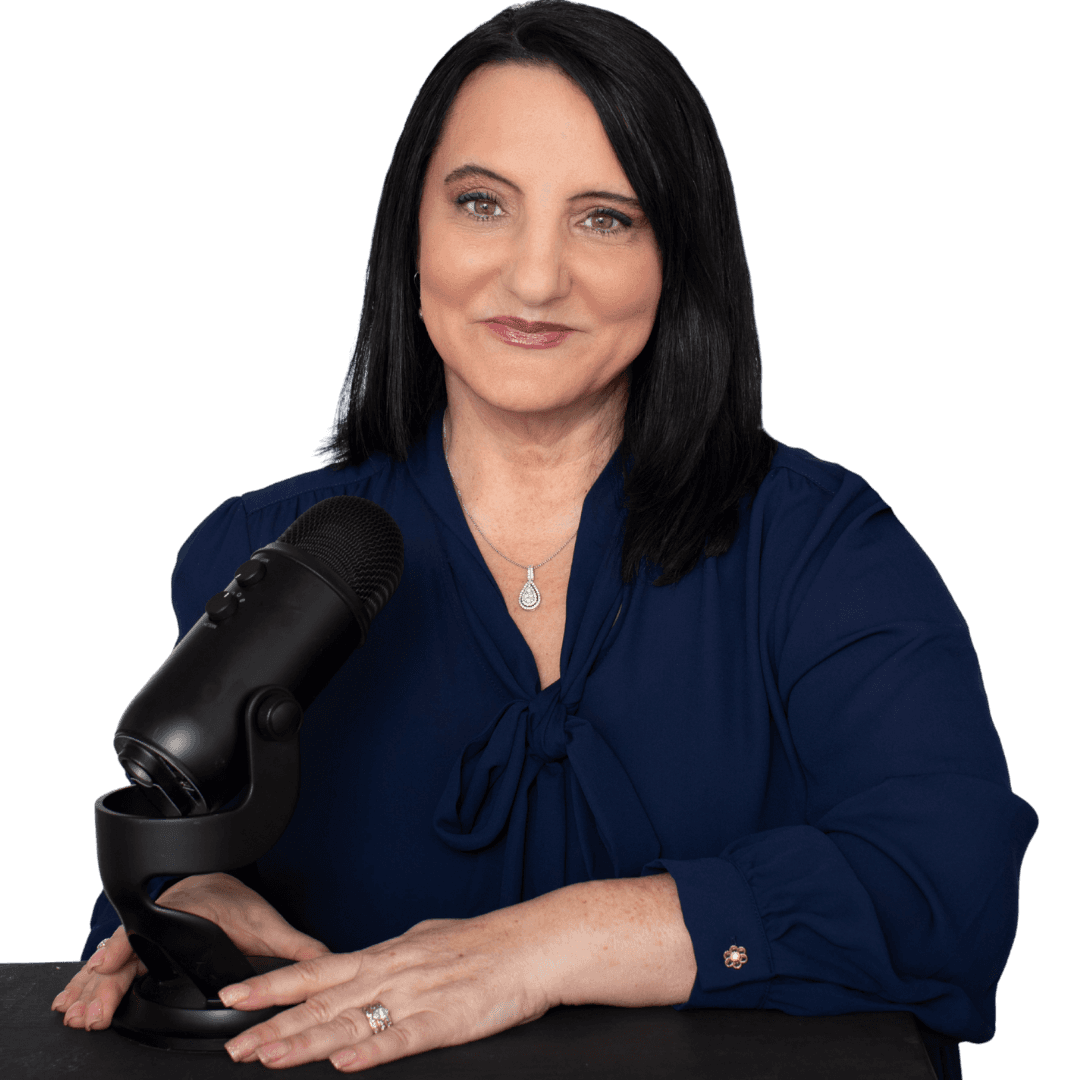
Dr. Roseann Capanna-Hodge is a licensed therapist, certified school psychologist, and leading expert in emotional dysregulation in children. With over 30 years of experience, she helps parents understand the root causes of meltdowns, anxiety, ADHD, and challenging behavior through the lens of nervous system regulation. Dr. Roseann teaches practical, science-backed strategies for co-regulation and how to calm a dysregulated child using her Regulation First Parenting™ approach. She is the host of the Dysregulated Kids Podcast and author of The Dysregulated Kid.
Dr. Roseann Capanna-Hodge
Emotional Dysregulation in Children & Nervous System Expert
Regulation First Parenting™ | CALMS Protocol™
Host of the Dysregulated Kids Podcast (Top 1% Globally)
Author of The Dysregulated Kid

Find this helpful? Leave us a review!
Your feedback helps more overwhelmed parents find calm, clarity, and the proven tools that make everyday life easier.
Dr. Roseann Capanna-Hodge: Helping Families of Dysregulated Kids Thrive Through Regulation First Parenting™
As the creator of Regulation First Parenting™, she’s helping families of dysregulated kids discover a compassionate, brain-based path forward. Through The Dysregulated Kids™ Podcast (top 2% globally), she offers practical strategies that help parents understand their child’s brain and support lasting change.
Through The Global Institute of Children’s Mental Health and Dr. Roseann, LLC, she’s created resources like the Neurotastic™ Brain Formulas and the Regulation First Parenting™ framework—meeting families where they are and supporting them through challenges like ADHD, anxiety, OCD, PANS/PANDAS, and behavioral struggles.
Recognized by Forbes as “a thought leader in children’s mental health,” Dr. Roseann is changing how we understand emotional dysregulation in children—one family at a time.