Find Your Solution
In 3 minutes, you’ll know where to start ➤
%20.png)





Estimated reading time: 6 minutes
If your child struggles to start or complete tasks, it can feel like nothing you try works. You’re not imagining it and it’s not bad parenting. Motivation often falters because of a dysregulated brain or challenges with executive functioning in children.
In this episode, I explain why motivation breaks down and how to rebuild it with clarity, calm, and confidence. You’ll learn brain-based strategies that help children focus, complete tasks, and feel empowered to increase motivation in children.
Kids with ADHD, anxiety, or executive function challenges often need stimulation to activate their brain’s reward system. Tasks that aren’t immediately engaging can feel impossible.
Strategies to help:
Parent story: A mom said her child “can’t focus unless she wants to.” Once she implemented visual checklists and stepwise scaffolding, attention and motivation improved without conflict.
Structured routines reduce cognitive load and help children anticipate what’s next and hence supports ADHD issues
Practical tips:
🗣️ “Kids can’t do what they can’t picture. When we make expectations visual, motivation rises.” — Dr. Roseann
Physical activity and sensory regulation prep the brain for focus and engagement.
Try these:
Impact: Consistent movement improves attention by up to 40%, making motivation easier for children with ADHD and emotional dysregulation.
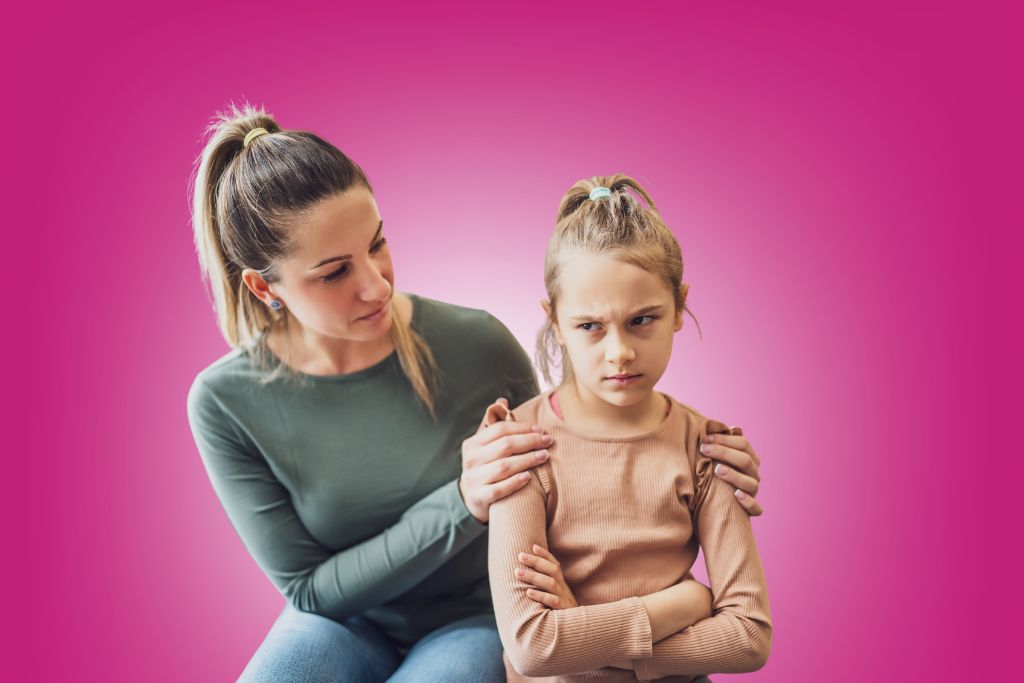
Avoidance can look like laziness but is often driven by emotional dysregulation in children.
Indicators:
Parent tip: Build coping skills first to make low-interest tasks feel manageable.
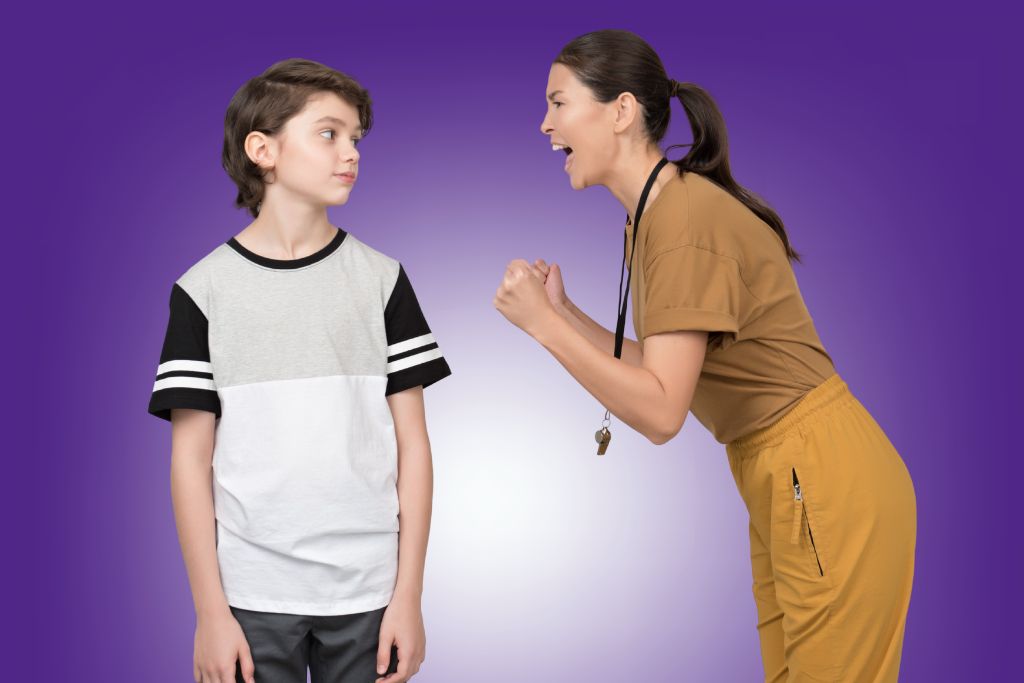
Nagging often escalates dysregulation. Instead, focus on co-regulation and scaffolding.
Tips:
Parent example: A parent switched from constant reminders to a structured stepwise routine. The child began completing tasks independently and with less resistance.
Motivation improves when children have the skills to plan, initiate, and complete tasks.
Supports include:
Takeaway: Strengthening these skills reduces frustration and boosts confidence in children with disrespect and defiance in children.
Regulation First Parenting™ changes how children respond to challenges by prioritizing the nervous system before expecting focus or effort. When we calm the brain first, motivation naturally improves.
Key strategies for parents:
Parent story: A child who previously refused homework for hours began completing assignments independently once parents applied Regulation First Parenting™ principles—starting with calm, predictable routines and stepwise guidance.
Takeaway: Focusing on Regulation First Parenting™ helps the brain feel safe, reduces dysregulation, and allows motivation to grow naturally.
Increasing motivation in children is a process. Start by supporting the brain, building clear expectations, and reinforcing effort. With consistency, calm, and structured support, even reluctant children can develop the skills and confidence to follow through.
For more actionable tools, explore The Dysregulated Kid for parent-friendly strategies and insights.
.png)
Start with small, clear steps, visual aids, and consistent reinforcement. Avoid nagging or punitive approaches.
Yes. Avoidance often signals dysregulation, not defiance. Calm, structured support is key.
Use reinforcement for effort, not bribery. Praise micro-steps to wire skills in the brain.
Pause, co-regulate, break tasks into smaller steps, and model calm.
Observe patterns across settings. ADHD typically affects attention broadly, while low motivation may appear task-specific.
Not sure where to start? Take the guesswork out of helping your child.
Use our free Solution Matcher to get a personalized plan based on your child’s unique needs—whether it’s ADHD, anxiety, mood issues, or emotional dysregulation.
Start here: www.drroseann.com/help
Dr. Roseann Capanna-Hodge is a licensed therapist, certified school psychologist, and leading expert in emotional dysregulation in children. With over 30 years of experience, she helps parents understand the root causes of meltdowns, anxiety, ADHD, and challenging behavior through the lens of nervous system regulation. Dr. Roseann teaches practical, science-backed strategies for co-regulation and how to calm a dysregulated child using her Regulation First Parenting™ approach. She is the host of the Dysregulated Kids Podcast and author of The Dysregulated Kid.
Dr. Roseann Capanna-Hodge
Emotional Dysregulation in Children & Nervous System Expert
Regulation First Parenting™ | CALMS Protocol™
Host of the Dysregulated Kids Podcast (Top 1% Globally)
Author of The Dysregulated Kid