Find Your Solution
In 3 minutes, you’ll know where to start ➤
%20.png)





Estimated Reading Time: 6 minutes
If your child struggles with anxiety, emotional outbursts, or focus issues, you’re not imagining it. Anti-inflammatory diets for kids can support the brain, reduce stress, and improve behavior. When we calm the nervous system first, these nutrition changes become more effective, helping children regulate and thrive.
In this episode, I explain why diet matters, how it interacts with the nervous system, and simple strategies parents can use immediately.f
The brain is energy-hungry, and nutrient gaps make self-regulation difficult. Many children with ADHD, sensory sensitivities, or learning differences experience Child Behavior Problems that are worsened by diet.
Key takeaways:
Parent story: One child’s emotional meltdowns reduced after switching from sugary breakfast cereals to a protein-rich smoothie, paired with consistent routines.
Not all foods impact children equally. Highly processed or inflammatory foods can worsen parenting difficult behavior at home.
To limit or swap:
Tip: Even a 25% improvement in diet can noticeably improve focus, mood, and self-regulation skills.
If you’re tired of walking on eggshells or feeling like nothing works…
Get the FREE Regulation Rescue Kit and finally learn what to say and do in the heat of the moment.
Become a Dysregulation Insider VIP at www.drroseann.com/newsletter and take the first step to a calmer home.
The gut and brain communicate constantly. Supporting digestion reduces emotional reactivity and cognitive overload.
Benefits include:
Parent story: A child who resisted new foods became more flexible once small, repeated dietary changes were combined with sensory supports.
Sensory sensitivities often make introducing anti-inflammatory foods challenging.
Practical steps:
Takeaway: Consistency, patience, and calming the nervous system enable self-regulation skills for children to develop alongside new eating habits.
🗣️ “Even small, consistent nutrition swaps can calm the brain and help children access focus and emotional regulation.” — Dr. Roseann
Magnesium, vitamin D, and other nutrients can complement anti-inflammatory eating.
Key points:
Parent story: One parent noticed fewer bedtime meltdowns after magnesium supplementation was added to an anti-inflammatory routine.
Children learn from observing adult behavior. Modeling positive routines reinforces Nervous System Regulation in Children.
Strategies:
Tip: Modeling patience and consistency reduces conflict and improves emotional regulation.
Anti-inflammatory diets for kids are not about perfection, they are about consistent, small changes that improve mood, focus, and self-regulation. Combine nutrition with routines, sensory support, and parent modeling to see meaningful change.
Start with one meal or snack swap and build from there gradually.
Not necessarily. Focus on reducing highly inflammatory foods and adding nutrient-rich options.
Use positive language: explain that the foods help the brain and body feel calm and strong.
Not sure where to start? Take the guesswork out of helping your child.
Use our free Solution Matcher to get a personalized plan based on your child’s unique needs—whether it’s ADHD, anxiety, mood issues, or emotional dysregulation.
Start here: www.drroseann.com/help
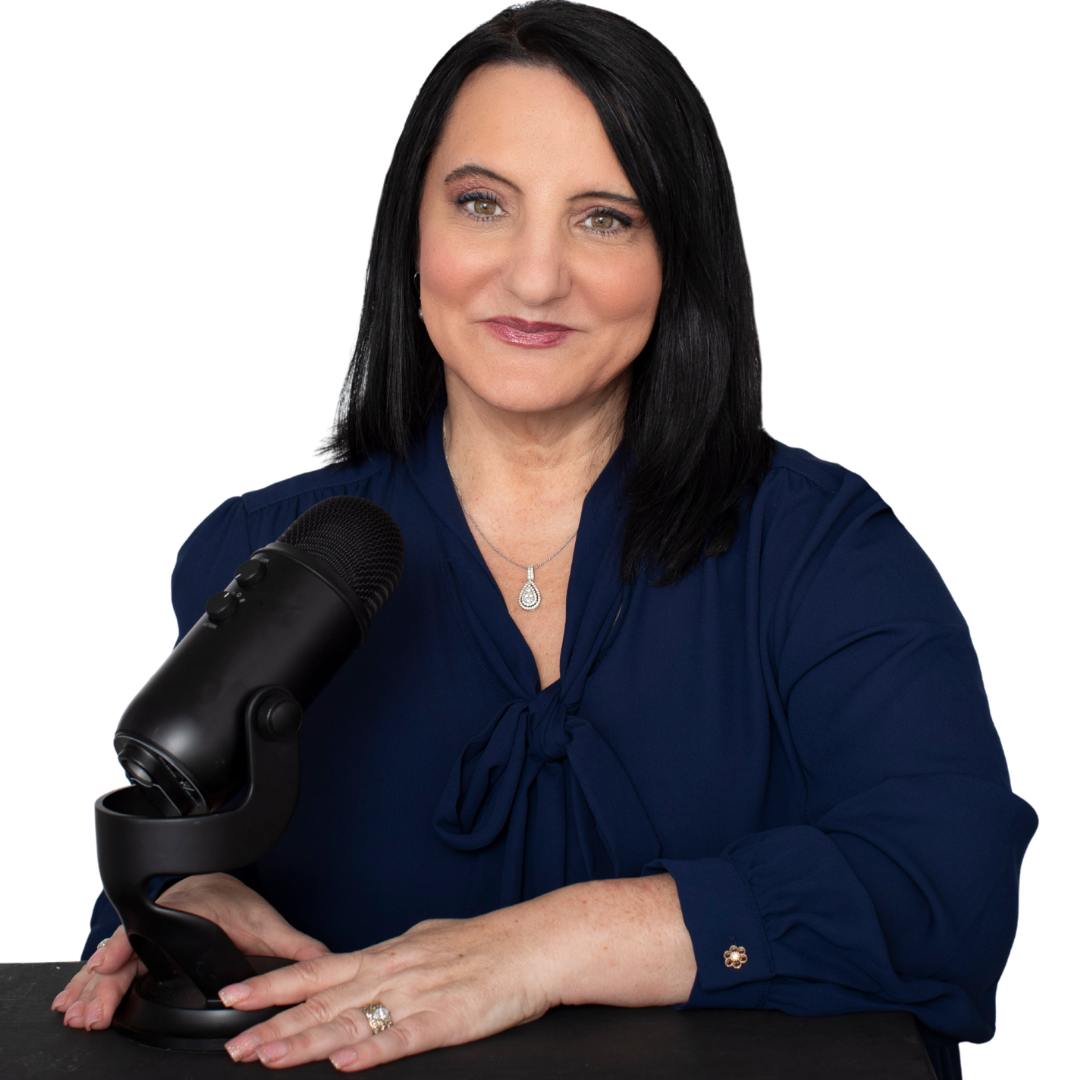
Dr. Roseann Capanna-Hodge is a licensed therapist, certified school psychologist, and leading expert in emotional dysregulation in children. With over 30 years of experience, she helps parents understand the root causes of meltdowns, anxiety, ADHD, and challenging behavior through the lens of nervous system regulation. Dr. Roseann teaches practical, science-backed strategies for co-regulation and how to calm a dysregulated child using her Regulation First Parenting™ approach. She is the host of the Dysregulated Kids Podcast and author of The Dysregulated Kid.
Dr. Roseann Capanna-Hodge
Emotional Dysregulation in Children & Nervous System Expert
Regulation First Parenting™ | CALMS Protocol™
Host of the Dysregulated Kids Podcast (Top 1% Globally)
Author of The Dysregulated Kid