Find Your Solution
In 3 minutes, you’ll know where to start ➤
%20.png)





Estimated Reading Time: 8 minutes
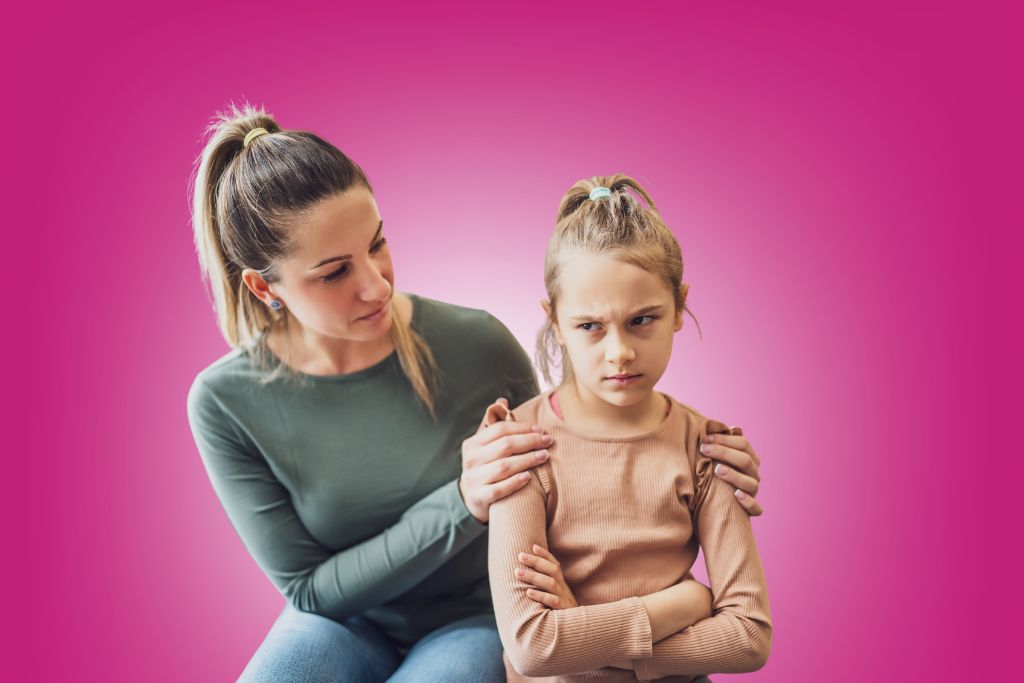
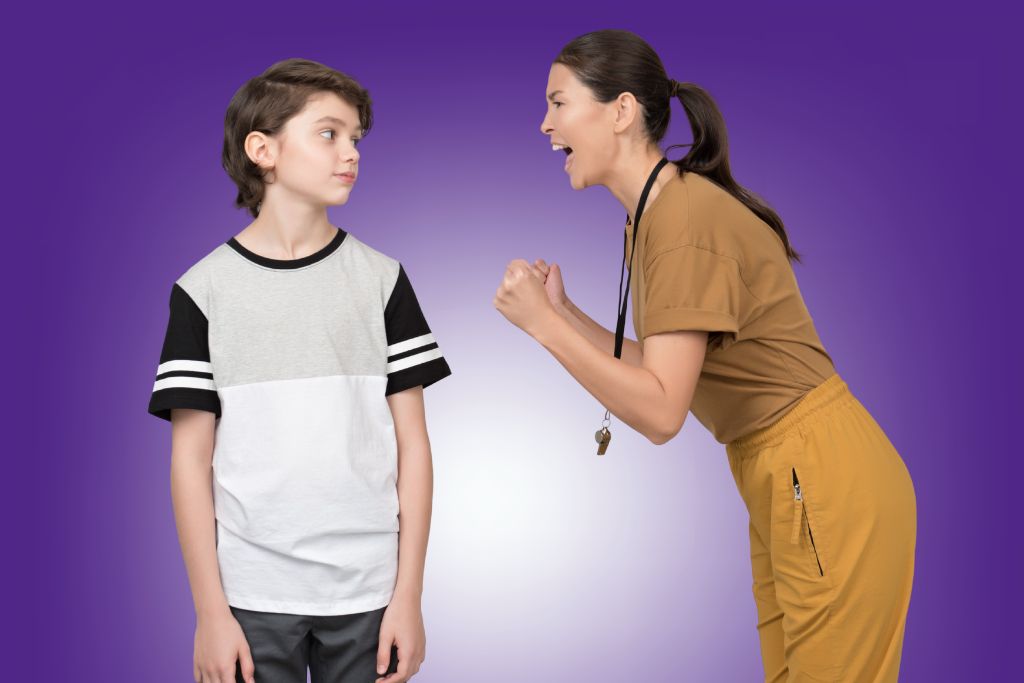
When your child melts down over “small things” or swings from calm to chaos in seconds, it can leave you feeling helpless and overwhelmed. You’re not alone—and it’s not bad parenting. Dysregulation touches every corner of a child’s life—and yours—because a stressed brain simply can’t think, connect, or cope.
In this episode, I break down the five essential areas of self-regulation that every child needs to thrive, especially kids with ADHD, anxiety, autism, learning issues, and sensory sensitivities. You’ll learn why these skills matter, how dysregulation shows up, and what you can do today to start calming the brain first.
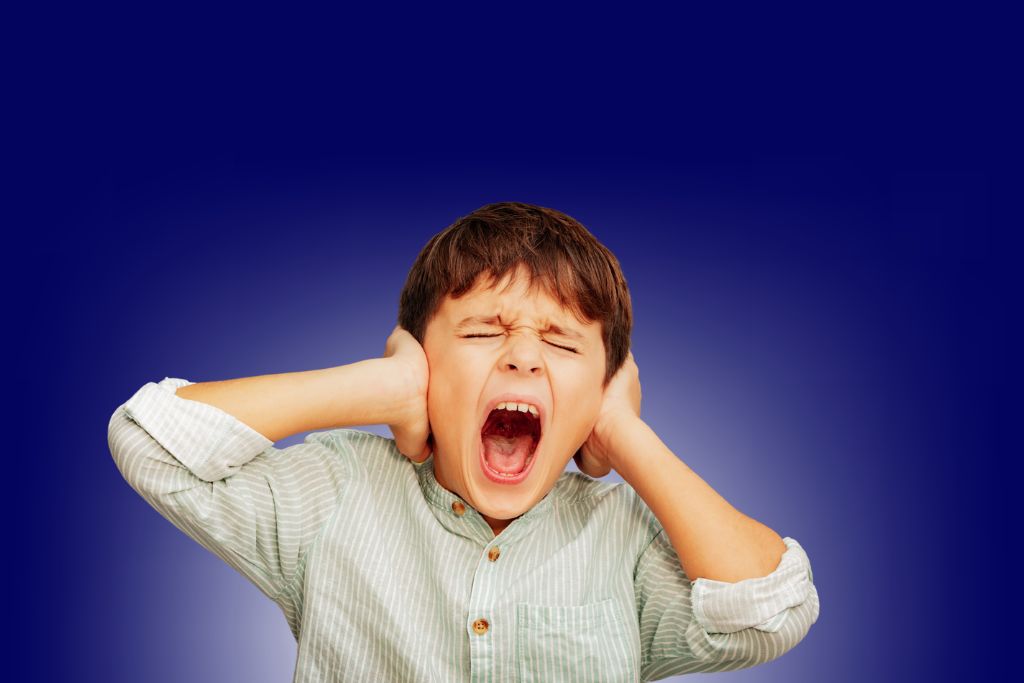
Emotional self-regulation is the foundation for every other skill your child uses throughout the day. Kids who struggle aren’t being dramatic—they’re dealing with a nervous system firing too fast.
Signs you might see:
Parent story: A mom shared that her daughter would scream every time the tag in her shirt bothered her. Once they worked on emotional and sensory regulation, mornings transformed—no more battles, no more panic.
Takeaway: Behavior is communication from a dysregulated brain.
Biological self-regulation is all about the autonomic nervous system. When it’s stuck in sympathetic dominance, kids can’t think clearly or settle for sleep.
Effects of dysregulation:
Supports that help:
.png)
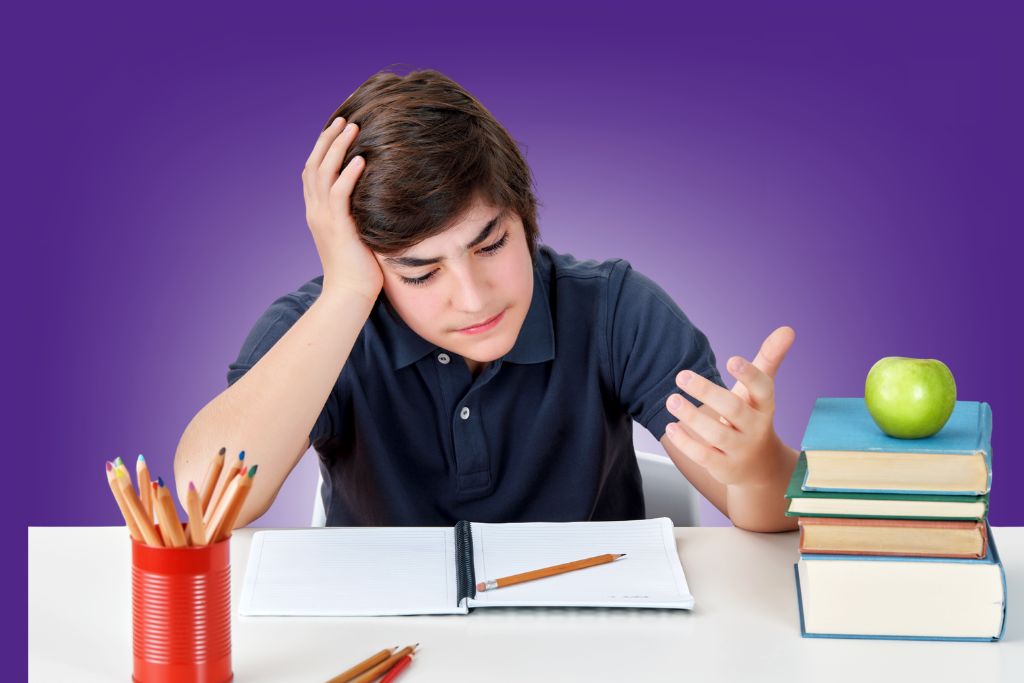
Cognitive self-regulation lets children focus, process information, and make decisions. Neurodivergent children often swing between over- and under-stimulation.
Signs of dysregulation:
Parent story: “I know my child is bright. But when she gets overwhelmed, it’s like all her skills disappear.” That’s dysregulation, not defiance.
Takeaway: A calm brain can think. A stressed brain cannot.
Social self-regulation isn’t about being outgoing—it’s about understanding cues, timing, tone, and conversation flow.
Challenges for kids with ADHD, autism, or anxiety:
Supporting social regulation helps kids build meaningful relationships rather than feeling isolated.
Pro-social regulation includes empathy, compassion, and thinking beyond oneself. When the nervous system is stressed, children struggle to access these skills.
Tips to support pro-social regulation:
Parent tip: When the nervous system feels safe, empathy grows naturally.
Structured daily practices help children develop emotional and cognitive self-regulation.
Try these:
Parent story: A child practicing 2-minute breath exercises before homework reduced meltdowns and improved focus within a week.
Sensory input can help dysregulated kids settle quickly and prevent escalation.
Effective sensory supports:
Parent story: A child with ADHD and sensory overload learned to self-soothe using a weighted lap pad and short movement breaks, reducing afternoon meltdowns.
Self-regulation is not a single skill—it’s five interconnected areas that shape how children think, feel, and interact. When we calm the brain first, kids gain resilience, flexibility, and emotional strength.
🗣️ “Behavior is communication, and when the nervous system is dysregulated, kids simply can’t access calm, learning, or connection.” — Dr. Roseann
Exhausted from ending every single day in meltdowns and power struggles?The Dysregulated Kid will help you finally understand why this is happening—and how to stop it. Get the book and get your evenings back.
Use routines, sensory supports, co-regulation, and short, repeated practice of coping skills.
Stress, sensory overload, lack of sleep, unmet needs, and transitions often trigger dysregulated responses.
With consistent support, practice, and nervous system regulation, children can develop stronger self-regulation over time.
Model empathy, use structured social practice, and provide predictable opportunities to interact with peers.
Magnesium, vitamin D, and nutrition supports can calm the nervous system and enhance emotional regulation.
Not sure where to start?
Take the guesswork out of helping your child.
Use our free Solution Matcher to get a personalized plan based on your child’s unique needs—whether it’s ADHD, anxiety, mood issues, or emotional dysregulation.
In just a few minutes, you'll know exactly what support is right for your family.
Start here: www.drroseann.com/help
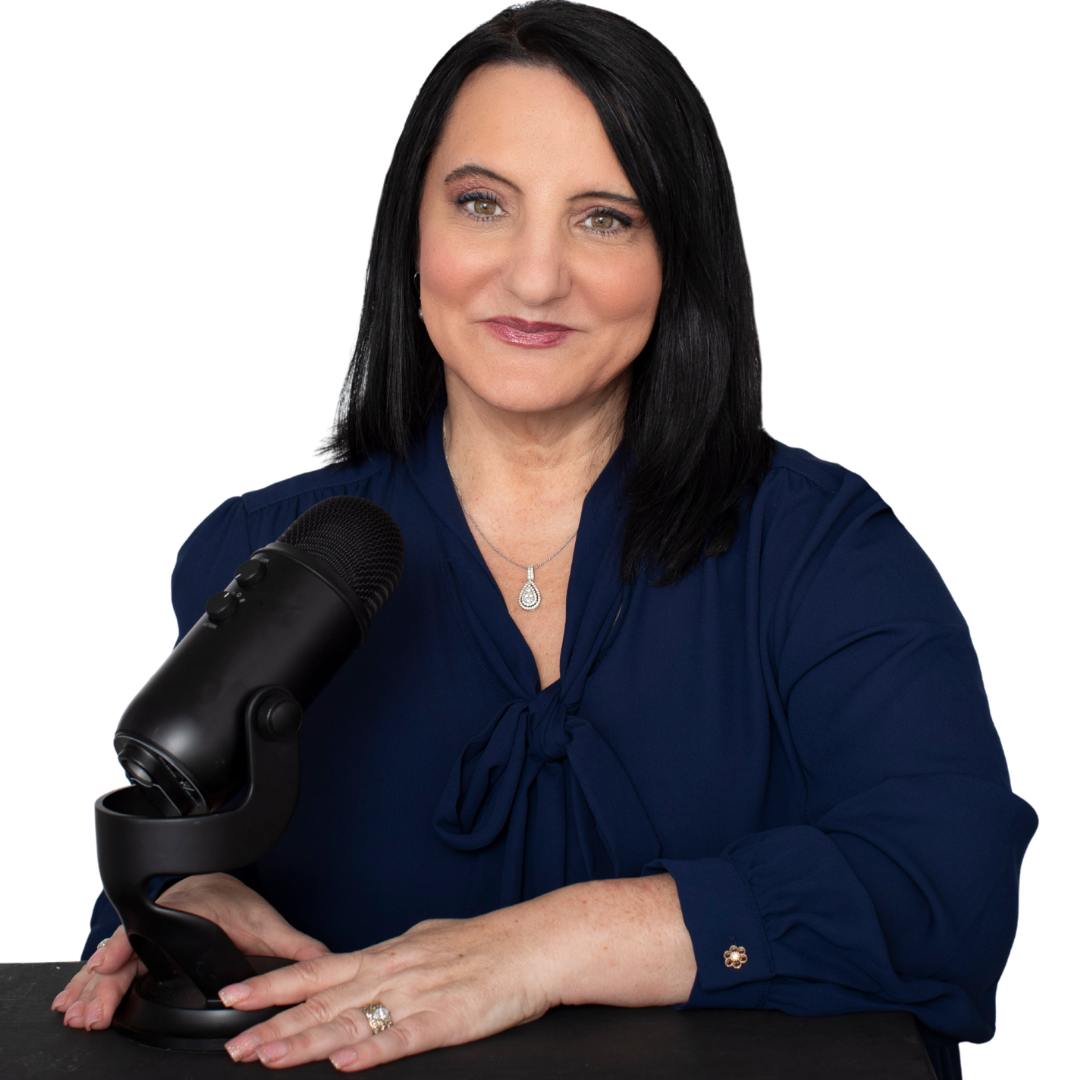
Dr. Roseann Capanna-Hodge is a licensed therapist, certified school psychologist, and leading expert in emotional dysregulation in children. With over 30 years of experience, she helps parents understand the root causes of meltdowns, anxiety, ADHD, and challenging behavior through the lens of nervous system regulation. Dr. Roseann teaches practical, science-backed strategies for co-regulation and how to calm a dysregulated child using her Regulation First Parenting™ approach. She is the host of the Dysregulated Kids Podcast and author of The Dysregulated Kid.
Dr. Roseann Capanna-Hodge
Emotional Dysregulation in Children & Nervous System Expert
Regulation First Parenting™ | CALMS Protocol™
Host of the Dysregulated Kids Podcast (Top 1% Globally)
Author of The Dysregulated Kid