Find Your Solution
In 3 minutes, you’ll know where to start ➤
%20.png)





Estimated Reading Time: 6 minutes
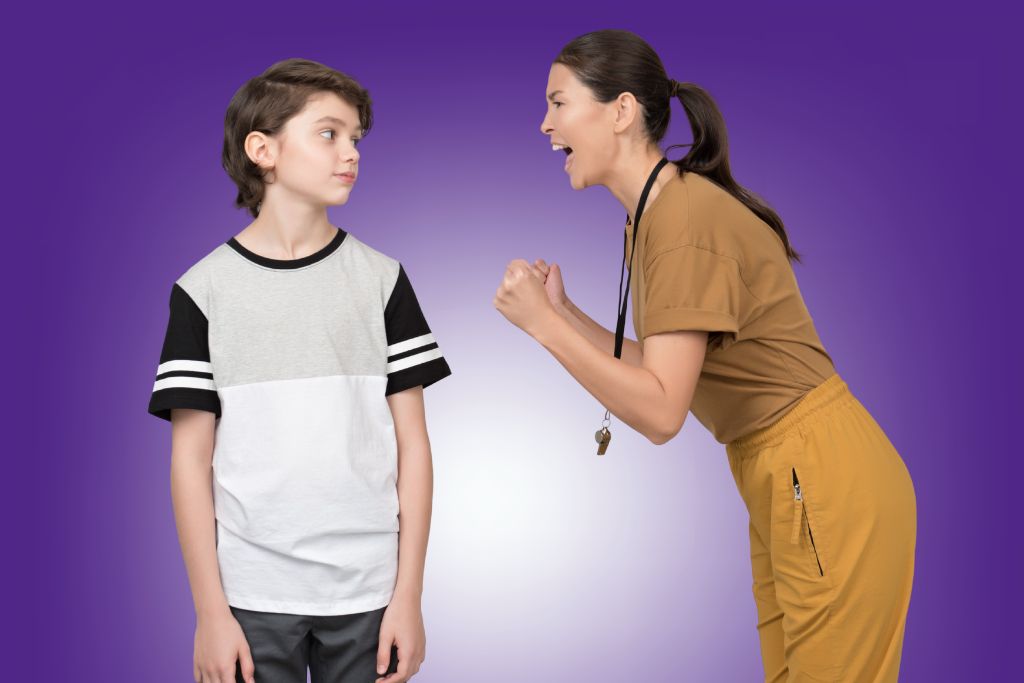
Feeling like homework time is a battlefield and school is a daily stress test? You’re not alone. It’s not bad parenting—it’s a dysregulated brain.
In this episode, I explain how to help a neurodivergent child thrive using Regulation First Parenting™. You’ll learn brain-based strategies, including movement breaks, multisensory teaching, and structured routines to boost focus, confidence, and emotional regulation.
Many children “hold it together” at school but unravel at home because the nervous system is overwhelmed. Behavior is communication, not defiance.
Try this after-school routine:
Parent snapshot: After school, do 10 minutes of stretching together, then a protein snack, and start homework with a visual checklist.
Step 1: Give a protein-rich snack and water.
Step 2: Do 10 minutes of movement or stretching together.
Step 3: Take 3 deep breaths and a short transition activity (music, drawing, or cuddles).
Step 4: Start homework with a visual checklist, one task at a time.
Tip: Repeat daily to create safety and predictability.
Tips for advocacy:
Homework struggles often arise from executive functioning challenges. Helping your child work independently builds confidence and focus.
Strategies:
Parent example: A child who previously refused to start homework completed assignments more consistently after using a visual checklist and structured timing.
Predictable routines give neurodivergent kids a sense of safety and help regulate their nervous system.
Tips for parents:
Parent story: A family added a 10-minute mindfulness break before homework. The child’s meltdowns decreased, and transitions became smoother throughout the afternoon.
Most neurodivergent kids learn best when instruction is multisensory and explicit.
At home:
Parent tip: Consistency over intensity; small, daily strategies wire the brain for focus.
Social-emotional skills are foundational for learning. Children who feel safe and connected learn better and regulate their behavior more effectively.
Supports to add:
Example: Practice “pause–breathe–ask for help” before math to reduce frustration and build problem-solving skills.
Parent note: The Neurotastic Multi-Mag Brain Formula can support attention, impulsivity, cognition, and sleep. Always check with your provider.
If you’ve tried gentle parenting, strict parenting, rewards, and yelling and you still feel stuck—it’s not you. Your child’s nervous system needs support first. The Dysregulated Kid is the roadmap you’ve been missing. Grab your copy today.
Start with movement and a protein snack. Add a short stretch or walk, then give clear, two-step directions.
Every 15–20 minutes during learning, with moderate to vigorous activity to re-energize focus.
No. Labels unlock services and guide support, they don’t define your child.
Rotate tools for novelty, pair with choice, and keep sessions short.
Lead with strengths, data, and solutions. Ask for clear goals, rubrics, and scheduled breaks.
Not sure where to start?
Take the guesswork out of helping your child.
Use our free Solution Matcher to get a personalized plan based on your child’s unique needs—whether it’s ADHD, anxiety, mood issues, or emotional dysregulation. In just a few minutes, you'll know exactly what support is right for your family.
Start here: www.drroseann.com/help
You’re not alone. Behavior is communication—and when we calm the brain first, everything follows.
Dr. Roseann Capanna-Hodge is a licensed therapist, certified school psychologist, and leading expert in emotional dysregulation in children. With over 30 years of experience, she helps parents understand the root causes of meltdowns, anxiety, ADHD, and challenging behavior through the lens of nervous system regulation. Dr. Roseann teaches practical, science-backed strategies for co-regulation and how to calm a dysregulated child using her Regulation First Parenting™ approach. She is the host of the Dysregulated Kids Podcast and author of The Dysregulated Kid.
Dr. Roseann Capanna-Hodge
Emotional Dysregulation in Children & Nervous System Expert
Regulation First Parenting™ | CALMS Protocol™
Host of the Dysregulated Kids Podcast (Top 1% Globally)
Author of The Dysregulated Kid