Find Your Solution
In 3 minutes, you’ll know where to start ➤
%20.png)





Estimated Reading Time: 5 minutes
Navigating the world of IEPs can feel overwhelming. Testing reports, legal jargon, and long email threads can leave any parent exhausted. In this episode, Pete Wright, Esq., of Wrightslaw joins me to break down the top 10 IEP mistakes parents often make. You’ll learn how to advocate confidently, understand what truly matters for your child’s education, and avoid common pitfalls that slow progress.
When your child struggles academically, socially, or emotionally, every IEP meeting can feel like high stakes. Parents worry about doing the wrong thing and impacting their child’s access to services.
Key takeaways:
Parent story: A mom assumed her son’s reading difficulties would resolve naturally. Pete explains that this is exactly when updated testing is crucial to adjust the IEP and prevent unnecessary delays.
Many parents believe “FAPE” means the best services possible. Legally, it means appropriate services for your child, individualized to their needs.
Why this matters:
Tips for meetings:
Knowing the law helps, but aggressive strategies can backfire. Pete emphasizes collaboration over confrontation.
Strategies:
Real-life scenario: A dad quotes case law in frustration. The meeting turns tense, and discussion stalls. A calm, data-driven approach restores collaboration and moves the conversation forward.
If progress is stagnant, it may be time to revisit testing. Private evaluations can provide clarity and strengthen advocacy.
Look for:
Parent story: I’ve seen families frustrated by unclear school reports. Private testing revealed hidden gaps and guided adjustments that finally helped the child thrive.
While Pete’s full list covers ten key errors, here are the top areas parents often miss:
Behavior is communication. Understanding the child’s needs—not just symptoms—guides better planning.
You don’t need to be a legal expert to advocate effectively.
Tips for parents:
Parent example: A parent learned to request specific supports for attention and anxiety rather than generic accommodations. This clarity helped the school implement an effective plan quickly.
Assuming their child will automatically receive appropriate services without providing clear, current data and advocacy.
Typically every 1–3 years, or sooner if progress stalls, new struggles appear, or the child experiences a major life change.
Use concrete examples, work samples, and data to demonstrate gaps. Calmly request evaluation updates or adjustments.
Private evaluations are helpful when school testing doesn’t reflect your child’s needs or progress.
Maintain calm, stay data-driven, and advocate clearly. You have the right to request evaluations and accommodations.
Next Step:
Every child’s journey is different. That is why cookie cutter solutions do not work.
Take the free Solution Matcher Quiz and get a customized path to support your child’s emotional and behavioral needs.
Start today at www.drroseann.com/help
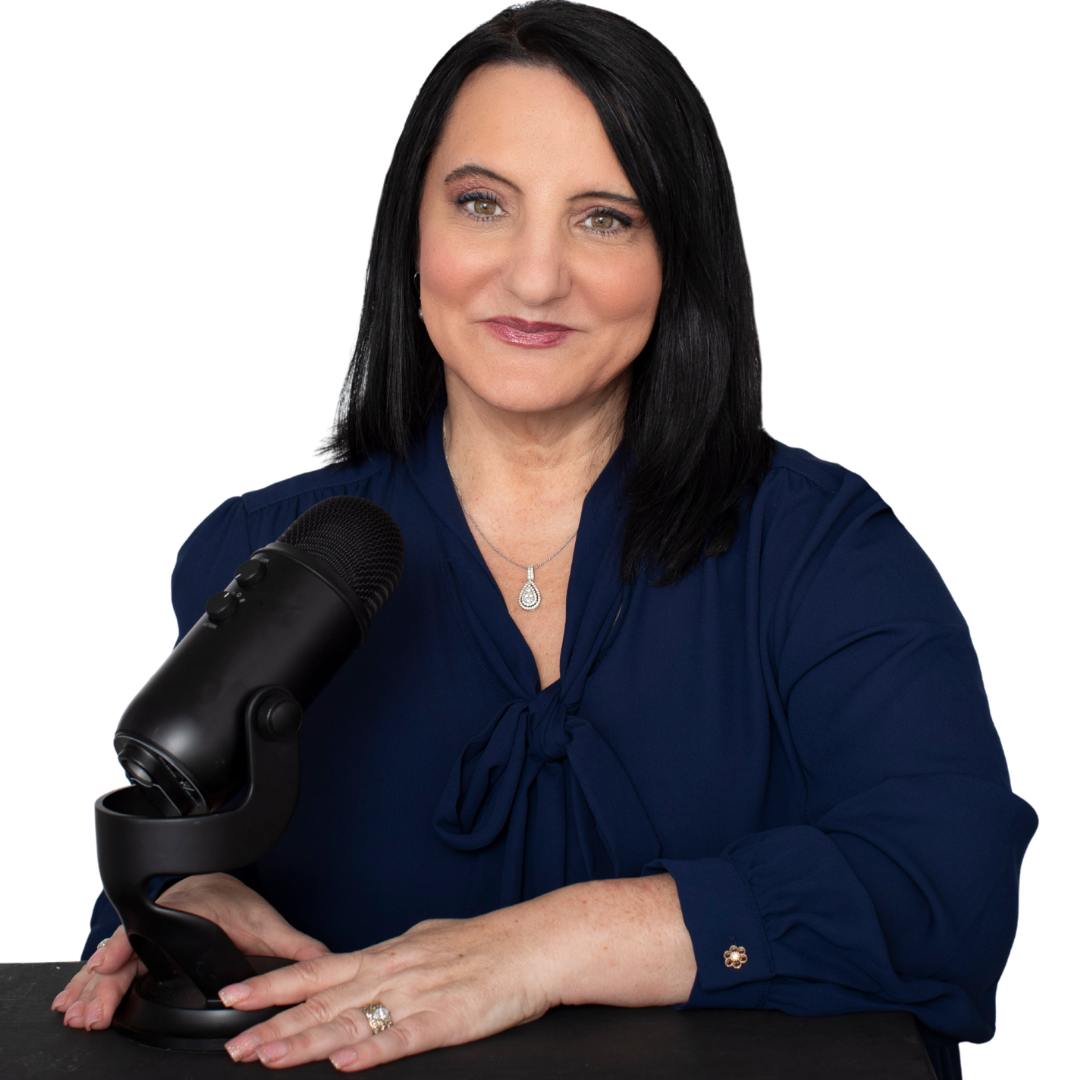
Dr. Roseann Capanna-Hodge is a licensed therapist, certified school psychologist, and leading expert in emotional dysregulation in children. With over 30 years of experience, she helps parents understand the root causes of meltdowns, anxiety, ADHD, and challenging behavior through the lens of nervous system regulation. Dr. Roseann teaches practical, science-backed strategies for co-regulation and how to calm a dysregulated child using her Regulation First Parenting™ approach. She is the host of the Dysregulated Kids Podcast and author of The Dysregulated Kid.
Dr. Roseann Capanna-Hodge
Emotional Dysregulation in Children & Nervous System Expert
Regulation First Parenting™ | CALMS Protocol™
Host of the Dysregulated Kids Podcast (Top 1% Globally)
Author of The Dysregulated Kid