Find Your Solution
In 3 minutes, you’ll know where to start ➤
%20.png)





Estimated reading time: 6 min
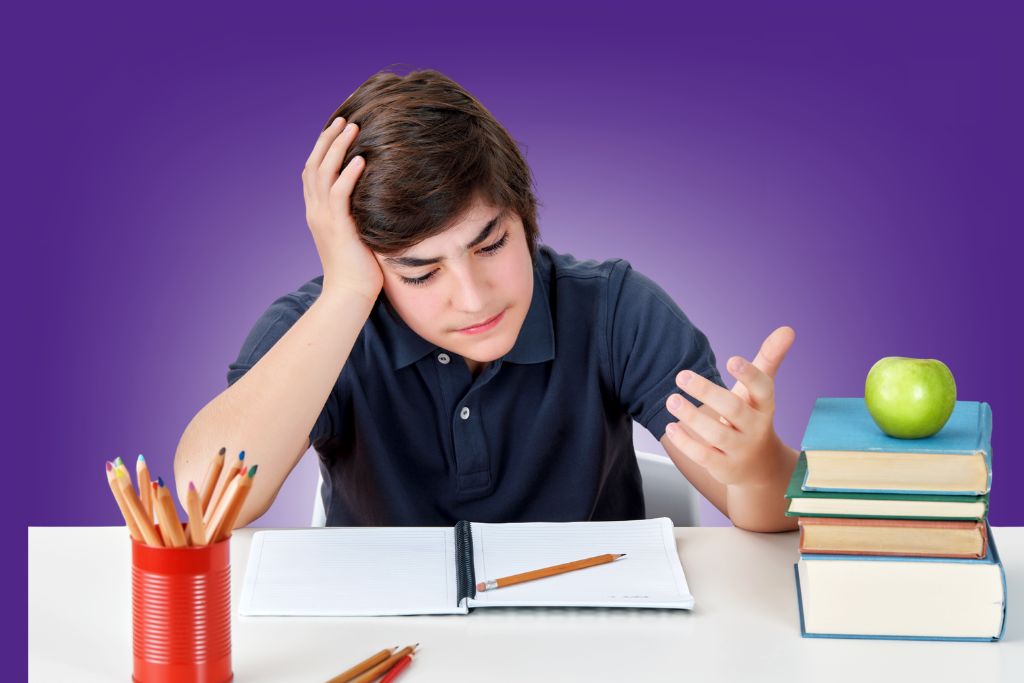
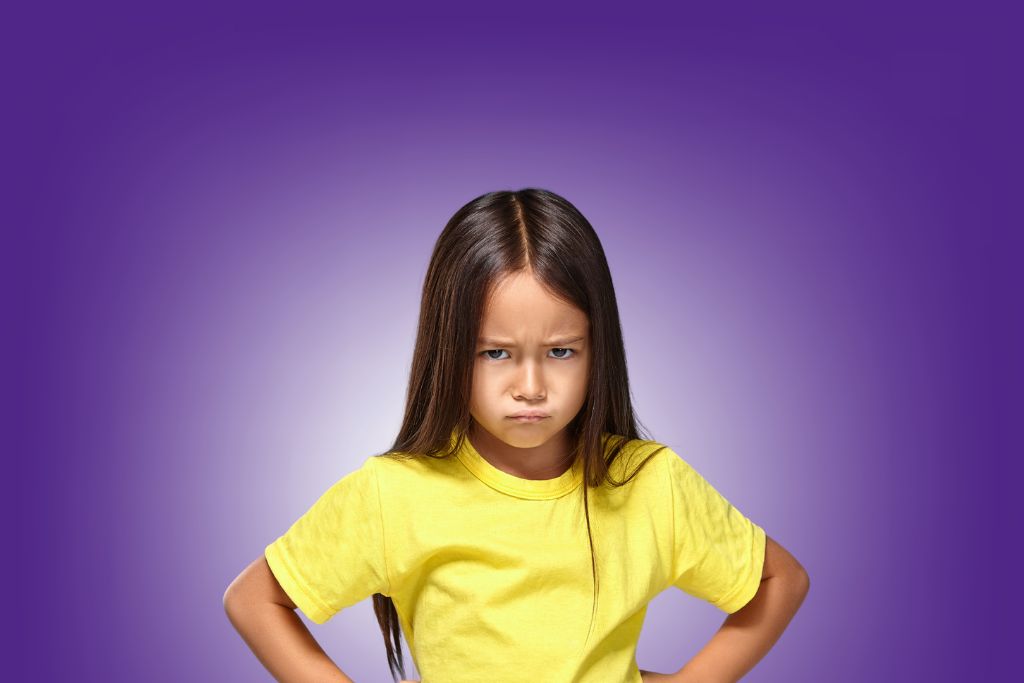
Disrespectful behavior in kids often leaves parents wondering why their child suddenly seems snarky, rude, or reactive. You’re not alone—so many families feel worn down by the backtalk and eye rolls. The truth is that most of this behavior isn’t attitude; it’s dysregulation. An overwhelmed brain simply can’t respond calmly.
Today, I’ll walk you through the real reasons behind these reactions so you can stop blaming yourself or your child and start creating a clearer path to calm.
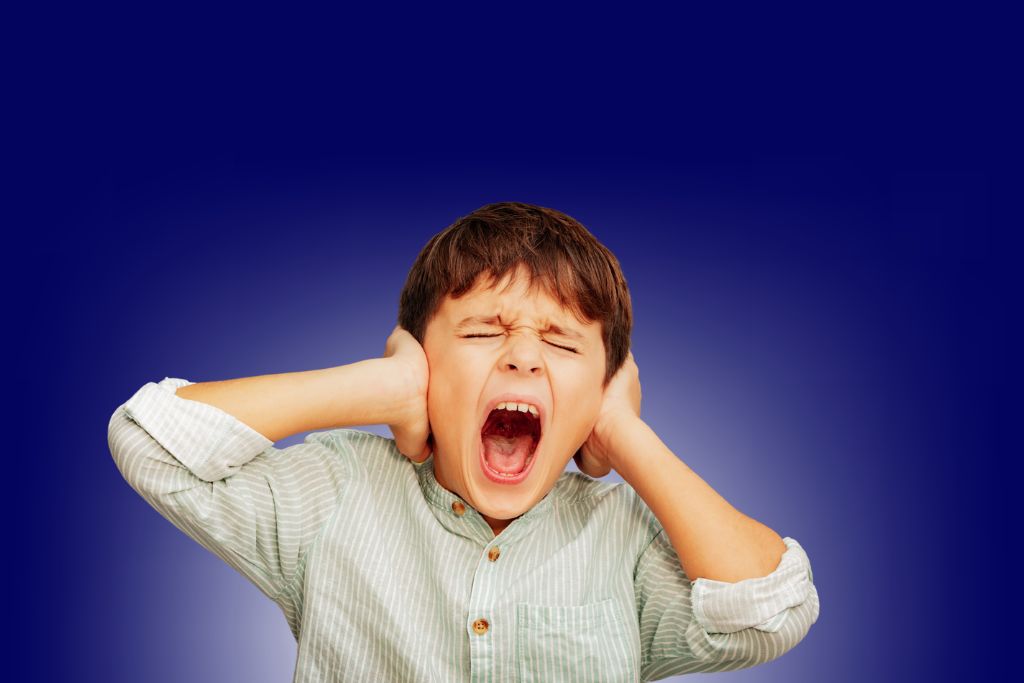
Kids act disrespectful when they can’t regulate, not because they won’t. A dysregulated nervous system hijacks their ability to think clearly, respond calmly, or use the skills they actually have.
Key reasons include:
Takeaways:
Parent example: A child lashes out after school, but with co-regulation and predictable routines, reactions gradually decrease.
Kids all go through phases that come with big feelings and attitude. But when the behavior is constant, explosive, or disproportionate, we’re usually looking at dysregulation—not just typical development.
Look for clues:
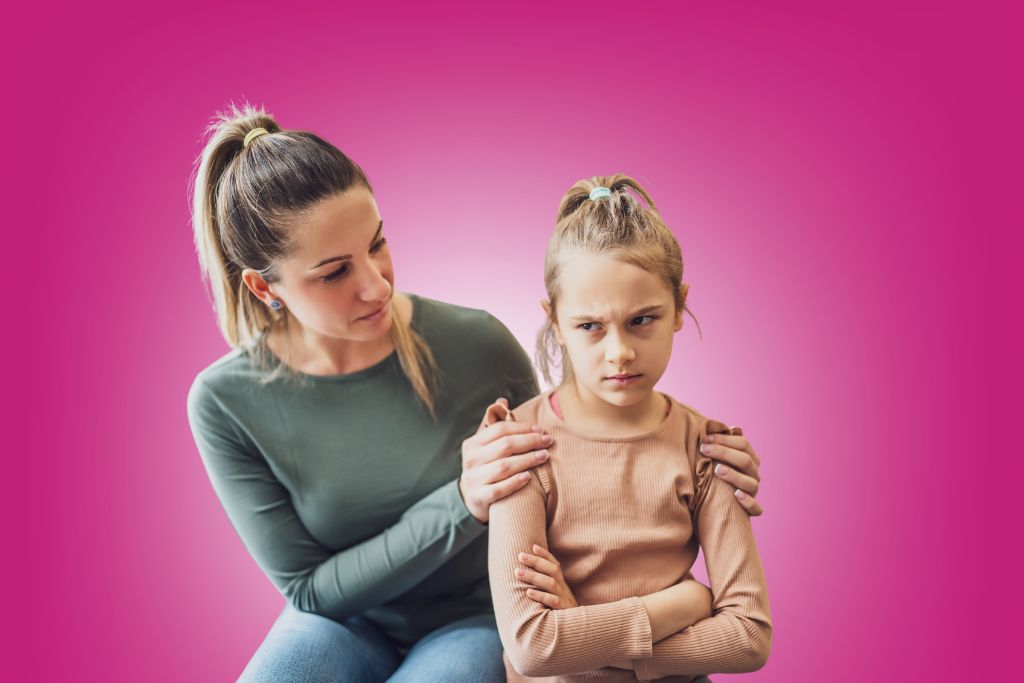
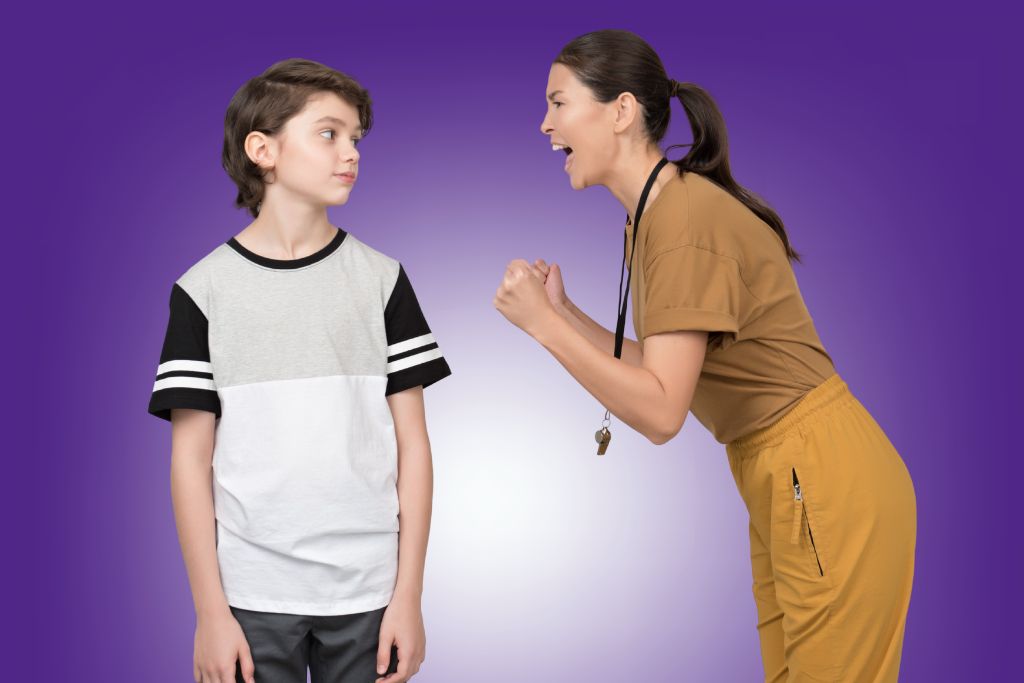
This question takes courage, and I’m proud of you for asking it. Kids mirror what they see. If the home environment is tense, reactive, or inconsistent, a child’s dysregulated brain amplifies the chaos.
What helps:
Remember: 80% calm is success. You don't need to be a perfect parent—you need to be a present one.
Self-regulation isn’t about manipulation. Often, children seek reinforcement, connection, or relief from stress.
How reinforcement loops work:
How to shift the cycle:
These children need explicit teaching and practice—but only when calm, not in the middle of a meltdown.
Try:
Parent insight: Oppositional behavior is often a volcano. Our job is to widen the window before it erupts.
If you’re tired of walking on eggshells or feeling like nothing works… Get the FREE Regulation Rescue Kit and finally learn what to say and do in the heat of the moment. Become a Dysregulation Insider VIP at www.drroseann.com/newsletter and take the first step to a calmer home.
🗣️ “Your kid isn’t acting disrespectful on purpose—this is a dysregulated brain crying out for help.” — Dr. Roseann
Disrespect is a symptom, not the root problem. When we understand the nervous system and create calm first, real change becomes possible. And in the next episode—Strategies to Address Disrespectful Behavior—I’ll walk you through practical ways to turn this insight into action. You’re not alone, and there is so much hope ahead.
You can’t discipline a child out of survival mode, but you can learn exactly how to regulate them. Discover the missing piece in my Parenting book: The Dysregulated Kid right now.
Look for patterns of overwhelm, quick emotional reactions, or difficulty calming down. These indicate a dysregulated nervous system.
Children often unload where they feel safest. It’s a sign of emotional overload, not intentional misbehavior.
Yes. Clear and consistent boundaries provide predictability, which reduces nervous system stress and reactive behavior.
Model calm, narrate emotions, and provide physical grounding or sensory supports. This teaches the brain how to regulate safely.
Not sure where to start? Take the guesswork out of helping your child.
Use our free Solution Matcher to get a personalized plan based on your child’s unique needs—whether it’s ADHD, anxiety, mood issues, or emotional dysregulation. In just a few minutes, you'll know exactly what support is right for your family. Start here: www.drroseann.com/help
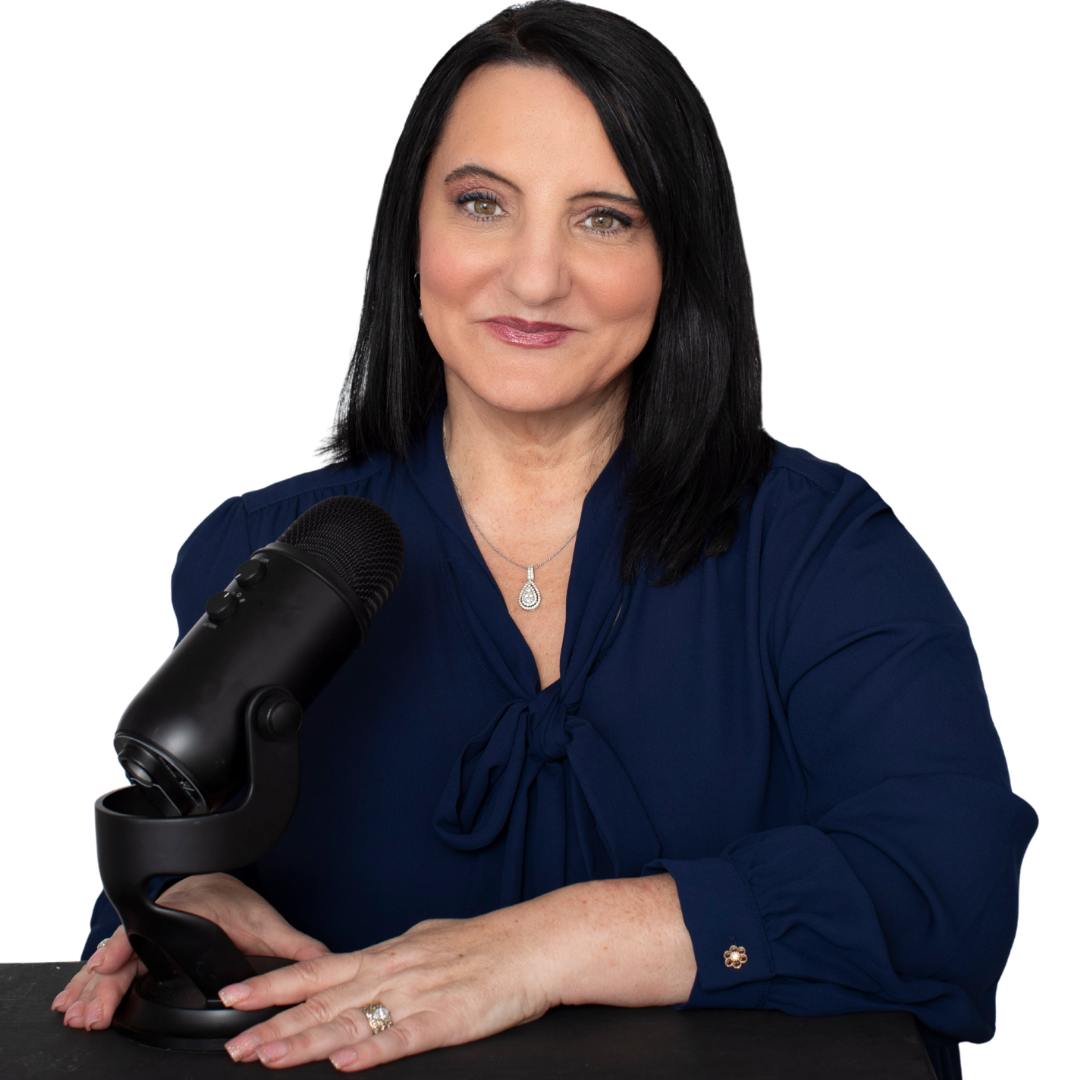
Dr. Roseann Capanna-Hodge is a licensed therapist, certified school psychologist, and leading expert in emotional dysregulation in children. With over 30 years of experience, she helps parents understand the root causes of meltdowns, anxiety, ADHD, and challenging behavior through the lens of nervous system regulation. Dr. Roseann teaches practical, science-backed strategies for co-regulation and how to calm a dysregulated child using her Regulation First Parenting™ approach. She is the host of the Dysregulated Kids Podcast and author of The Dysregulated Kid.
Dr. Roseann Capanna-Hodge
Emotional Dysregulation in Children & Nervous System Expert
Regulation First Parenting™ | CALMS Protocol™
Host of the Dysregulated Kids Podcast (Top 1% Globally)
Author of The Dysregulated Kid