%20.png)



Estimated Reading Time: 8 minutes
Let’s talk about ADHD protein shakes—and how the right blend can support your child’s focus, mood, and energy.
When focus drifts or brain fog sets in, a targeted protein shake can help stabilize attention by supplying the amino acids and nutrients your brain uses to make dopamine and norepinephrine.
These aren’t ordinary smoothies—they’re purpose-built to support sustained attention in picky eaters, steadier energy, and better emotional regulation.
I’m Dr. Roseann Capanna-Hodge, and for more than three decades I’ve helped families uncover what’s really driving attention, mood, and behavioral challenges in kids—and how to support the brain with science-backed strategies. One of the most powerful (and often overlooked) tools is nutrition. ADHD protein shakes can play a key role in stabilizing blood sugar, supporting neurotransmitter production, and improving focus and regulation.
In this guide, you’ll learn:
- How protein shakes can calm the brain and support focus
- Key ingredients that make ADHD protein shakes effective
- How to build a balanced, steady shake
- Simple recipes you can start using today
Do Protein Shakes Help ADHD Symptoms?
Protein shakes can be a simple and effective way to support kids with ADHD—especially when mornings are rushed or your child struggles to eat a balanced breakfast. The right protein shake can help stabilize energy, improve focus, and support brain function throughout the day.
Why Protein Matters for ADHD
Protein plays a key role in how the brain functions. It provides the building blocks (amino acids) needed to produce neurotransmitters like dopamine, which supports attention, motivation, and emotional regulation.
Just as important, protein helps stabilize blood sugar levels. When kids eat high-sugar or low-protein breakfasts, they’re more likely to experience energy crashes, irritability, and difficulty focusing. Adding protein helps keep the brain in a more regulated, steady state—making it easier for kids to learn and manage their emotions.
When Should Kids Have Protein Shakes?
Timing matters. For many kids with ADHD, morning is the most important time to get protein.
Starting the day with protein can:
- Support sustained attention at school
- Reduce mid-morning crashes
- Improve mood and impulse control
Protein shakes can also be helpful:
- After school (to prevent late-day dysregulation)
- As a backup when your child refuses solid food
Essential components per shake: 25–30 g quality protein, omega-3s, B-vitamins, magnesium, and polyphenol-rich add-ins.
What to Avoid in Protein Shakes for ADHD
Not all shakes are created equal. Some can actually make symptoms worse.
Try to avoid:
- Added sugars (can spike and crash blood sugar)
- Artificial dyes and flavors (may increase hyperactivity in sensitive kids)
- Highly processed ingredients
- Protein powders with long, unrecognizable ingredient lists
Look for clean, minimally processed options with simple ingredients.
Megan shared that her 10-year-old daughter, Kayla, was able to stay focused and remember more during afternoon math after adding a brain-boosting shake to her routine.
Which Key Ingredients Provide the Best Focus-Enhancing Benefits?
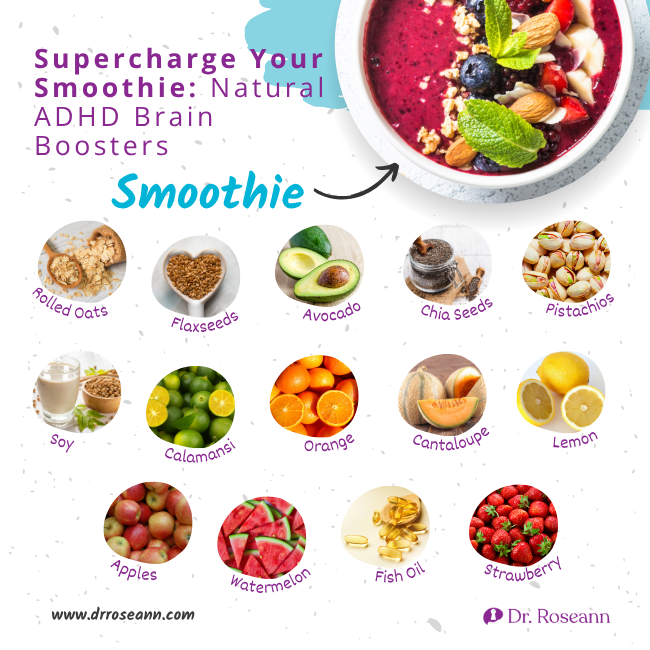
The right mix can support brain energy, neurotransmitter balance, and attention. No single ingredient is a cure-all, but these are well-supported choices.
Research suggests that combining high-quality proteins with brain-supporting fats, micronutrients, and plant compounds may enhance mental energy and focus, especially when used consistently as part of a balanced diet.

How Do You Build the Perfect Brain-Boosting Recipe Foundation?
Use this base and adjust for taste and tolerance:
- Liquid (choose one): 1 c almond milk; ¾ c coconut milk; 1 c oat milk; or ½ c chilled green tea
- Protein: 1 scoop high-quality powder; OR 1 c Greek yogurt + 2 Tbsp hemp hearts; OR pea protein + 1 Tbsp almond butter
- Brain fats: 1 Tbsp ground flax or chia; plus 1 tsp MCT/coconut oil or ¼ avocado
- Smart carbs/greens: ½ c berries; handful spinach; optional ¼ small banana
- Boosters: 1 tsp cacao; pinch sea salt; cinnamon/vanilla/mint
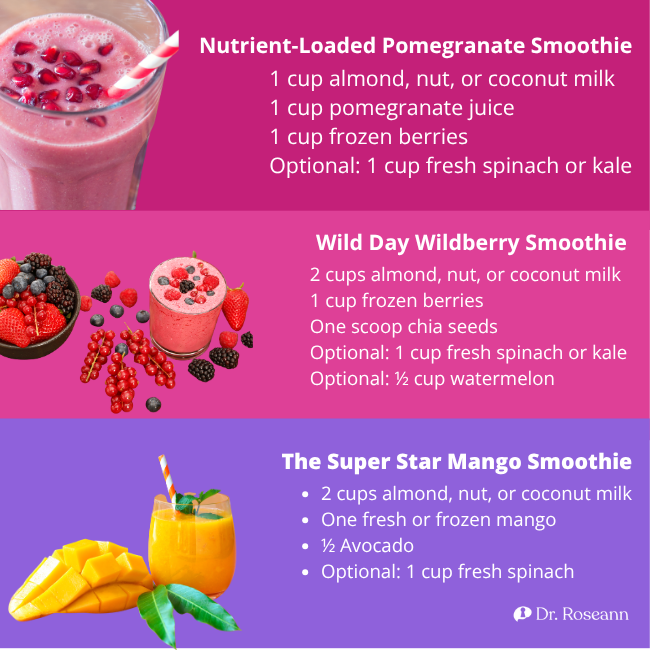
Adrian, a 16-year-old high school student, struggled with late-morning focus crashes during important exams. After trying the brain-boosting foundation formula, he now stays sharp and concentrated through his toughest tests.
Easy ADHD-Friendly Protein Shake Ideas
These carefully crafted recipes target specific neurochemical pathways while delivering delicious flavors that make brain-healthy nutrition something to look forward to every day.
Recipe #1: The Morning Focus Igniter
Perfect for starting your day with sustained mental clarity
Ingredients:
- 1 cup unsweetened almond milk
- 1 scoop vanilla whey protein isolate
- 1 tbsp almond butter
- ½ cup frozen blueberries
- 1 tbsp ground flaxseed
- 1 tsp raw cacao powder
- ½ tsp cinnamon
- 1 tsp MCT oil
- Ice as needed
Focus benefits: High tyrosine content for dopamine production, antioxidants for cognitive protection, sustained energy release
Recipe #2: The Calm & Concentrated
Ideal for reducing anxiety while maintaining sharp focus
Ingredients:
- ¾ cup coconut milk
- 1 scoop chocolate pea protein
- ¼ avocado
- 1 tbsp tahini
- 1 tsp raw cacao powder
- 1 tsp maca powder
- Handful of spinach
- 1 tbsp chia seeds
- Stevia to taste
Focus benefits: Magnesium for nervous system calm, L-theanine equivalent compounds, stress-reducing adaptogens
Recipe #3: The Afternoon Clarity Boost
Designed to prevent the 3 PM focus crash
Ingredients:
- 1 cup chilled green tea
- 1 scoop vanilla collagen peptides
- 1 tbsp cashew butter
- ½ cup frozen raspberries
- 1 tsp Lion's Mane mushroom powder
- 1 tbsp hemp seeds
- ¼ tsp vanilla extract
- Pinch of sea salt
Focus benefits: Natural caffeine + L-theanine combination, nerve growth factor support, sustained amino acid release
Recipe #4: The Creative Flow Formula
Optimized for creative tasks and divergent thinking
Ingredients:
- 1 cup oat milk
- 1 scoop unflavored protein powder
- 1 tbsp sunflower seed butter
- ½ cup frozen mango
- 1 tbsp ground flaxseed
- 1 tsp turmeric powder
- ½ tsp ginger powder
- 1 tsp coconut oil
- Fresh mint leaves
Focus benefits: Anti-inflammatory compounds for mental clarity, B-vitamins for neurotransmitter synthesis
Recipe #5: The Executive Function Enhancer
Specifically formulated for planning and organizational tasks
Ingredients:
- 1 cup unsweetened almond milk
- 1 scoop chocolate whey protein
- 1 tbsp peanut butter (natural)
- ½ small banana
- 1 tbsp cacao powder
- 1 tsp rhodiola powder (morning only)
- 1 tbsp chia seeds
- ¼ tsp cinnamon
Focus benefits: Balanced neurotransmitter support, adaptogenic stress resilience, sustained cognitive energy
Brain Science Spotlight: The Neuroscience Behind Focus-Supporting Nutrition
Research shows protein and amino acids fuel neurotransmitters like dopamine and norepinephrine, which drive focus.
A 2024 review of 23 trials (≈4,700 participants) found higher protein intake improved working memory, psychomotor speed, and overall cognition compared to lower-protein diets. Liquid nutrition can also absorb faster—pilot studies show vitamins like B-12 are taken up more efficiently in liquid vs solid form.
So when afternoon brain fog hits, it may be your child’s brain signaling for steady nutrient support. Consistent protein timing helps maintain sharper attention all day.
Read more: NERVOUS SYSTEM DIET FOR KIDS: THE COMPLETE NUTRITION GUIDE FOR PARENTS
Dr. Roseann's Therapist Tip
In over 30 years of practice, I’ve seen that protein quality matters as much as quantity. Your brain can’t fuel focus with empty calories.
Start simple: pick one brain-boosting recipe and drink it at the same time each day for a week. Consistency trains your brain to use amino acids more efficiently. It’s not about perfection—small, steady nutrition upgrades can bring real clarity and focus.

How Can You Customize Recipes for Different ADHD Symptoms?
Every ADHD profile has different needs. By tweaking ingredients, you can tailor shakes to target focus, calm, or mood support.
Symptom-Specific Add-Ins
- Brain Fog: Lion’s Mane, MCT oil, ginkgo biloba
- Anxiety: Magnesium, taurine, green tea/matcha (L-theanine), avoid excess caffeine
- Depression: Tryptophan proteins, leafy greens (folate), Vitamin D3
David, a 15-year-old high schooler, often struggled with zoning out in class and snapping at friends when he felt overwhelmed. By starting his mornings with the Executive Function Enhancer shake and switching to the Calm & Concentrated in the afternoon, he discovered he could stay focused during lessons and feel more even-tempered later in the day.
What Common Recipe Mistakes Sabotage Your Focus Goals?
Even small missteps can undo the benefits of brain-boosting shakes. The good news? Most mistakes are easy to fix once you know what to look for. With the right swaps and a steady routine, you can turn your shakes into reliable tools for focus and calm.

Amanda, a busy mother of three, initially tried complex recipes with expensive superfood powders but couldn't maintain consistency. When she simplified to a basic protein-fruit-fat combination and focused on daily routine, her focus improvements became sustainable and noticeable.
Key Takeaways: Your Brain-Boosting Action Plan
Scattered focus isn’t a flaw—it’s your brain asking for better fuel.
Brain-boosting shakes deliver the amino acids, fats, and nutrients that support focus naturally.
Start small, stay consistent, and watch clarity and energy grow—one recipe at a time.
Download your FREE Calm Brain Diet™ Anti-Inflammatory Grocery List today and take charge of your brain and body health.
FAQs
Can I drink ADHD protein shakes while taking ADHD medication?
Yes, ADHD protein shakes typically complement ADHD medication rather than interfere with it. In fact, ADHD protein shakes can help stabilize blood sugar and reduce side effects like appetite suppression. Always consult your prescribing physician, especially when adjusting timing.
Are ADHD protein shakes safe for teenagers and children?
Yes, ADHD protein shakes are safe for teenagers and children when made with clean, whole-food ingredients. These brain-supporting shakes can help support focus and regulation. Adjust serving sizes based on age, weight, and activity level—generally 16–20 oz for teens and 12–16 oz for younger children.
What if ADHD protein shakes don’t improve symptoms after a few weeks?
If ADHD protein shakes don’t improve symptoms after 3–4 weeks, consider consistency, timing, and ingredient quality. Some children respond better to different protein sources, so adjusting your ADHD protein shake recipe can make a noticeable difference.
Do ADHD protein shakes actually help with ADHD symptoms?
Yes, ADHD protein shakes can help with ADHD symptoms by stabilizing blood sugar and supporting neurotransmitter production like dopamine. Regular use of ADHD protein shakes may improve focus, energy, and emotional regulation.
When is the best time to drink ADHD protein shakes?
The best time to drink ADHD protein shakes is in the morning. Starting the day with ADHD protein shakes can support attention, reduce energy crashes, and improve emotional regulation. ADHD protein shakes can also be helpful after school.
Can ADHD protein shakes replace breakfast?
Yes, ADHD protein shakes can replace breakfast, especially for kids who struggle to eat in the morning. A well-balanced ADHD protein shake with protein, healthy fats, and fiber can provide steady energy and support brain function.
Are ADHD protein shakes better than sugary breakfasts?
Yes, ADHD protein shakes are generally better than sugary breakfasts because they provide stable energy. Sugary meals can lead to crashes, while ADHD protein shakes help maintain focus and reduce irritability.
What ingredients should I avoid in ADHD protein shakes?
When making ADHD protein shakes, avoid added sugars, artificial dyes, artificial sweeteners, and highly processed ingredients. Clean ADHD protein shakes support better regulation and reduce the risk of worsening hyperactivity or mood swings.
Citations:
Bloch, M. H., & Qawasmi, A. (2023). Omega-3 polyunsaturated fatty acids for core symptoms of ADHD: Meta-analysis of randomized controlled trials. Journal of Clinical Psychiatry, 84(5), 22r14772. https://doi.org/10.4088/JCP.22r14772
Qin, Y., Li, J., Wang, J., Zhang, R., & Zhang, J. (2025). Effects of protein intake on cognitive function in Chinese older adults: A 10-year follow-up study. Nutrients, 17(2), 272. https://doi.org/10.3390/nu17020272
Chang, J. P., Su, K. P., Mondelli, V., Satyanarayanan, S. K., Yang, H. T., Chiang, Y. J., & Pariante, C. M. (2018). Omega-3 polyunsaturated fatty acids in youths with attention deficit hyperactivity disorder: A systematic review and meta-analysis of clinical trials and biological studies. Neuropsychopharmacology, 43(3), 534–545. https://doi.org/10.1038/npp.2017.160
Hawkey, E., & Nigg, J. T. (2014). Omega-3 fatty acid and ADHD: Blood level analysis and meta-analytic extension of supplementation trials. Clinical Psychology Review, 34(6), 496–505. https://doi.org/10.1016/j.cpr.2014.05.005
Always remember... “Calm Brain, Happy Family™”
Disclaimer: This article is not intended to give health advice and it is recommended to consult with a physician before beginning any new wellness regime. *The effectiveness of diagnosis and treatment vary by patient and condition. Dr. Roseann Capanna-Hodge, LLC does not guarantee certain results.
Are you looking for SOLUTIONS for your struggling child or teen?
Dr. Roseann and her team are all about science-backed solutions, so you are in the right place!

©Roseann Capanna-Hodge
Meet the Expert
Licensed Therapist | Certified School Psychologist
Board Certified in Neurofeedback (BCN) | 30+ Years Clinical Experience
Expert in Emotional Dysregulation in Children and Nervous System Regulation
Host, Dysregulated Kids Podcast | Author, The Dysregulated Kid
Dr. Roseann Capanna-Hodge is a licensed therapist, certified school psychologist, and leading expert in emotional dysregulation in children and nervous system regulation. With over 30 years of clinical experience and having analyzed more than 10,000 brain maps, she helps families understand what behavior is really signaling—and how to calm the nervous system first so real change can happen.
She is the creator of Regulation First Parenting™ and the CALMS Protocol™, host of the top 1% podcast Dysregulated Kids, and author of The Dysregulated Kid.