
%20.png)


Contents

Grocery shopping can be a challenging task for any parent, but when you have a child with ADHD, it can feel downright overwhelming. From picky eaters to those with more restrictive eating habits like ARFID (Avoidant/Restrictive Food Intake Disorder), ensuring your child gets the nutrition they need can be a complex puzzle.But don’t worry—you’re not alone in this. With a bit of planning and strategy, you can make grocery shopping a more manageable and even enjoyable experience for both you and your child. Planning your shopping list and avoiding impulse buys can also help you save money during grocery shopping.
The Challenges of Grocery Shopping for Someone with ADHD
Do you find yourself struggling to support your child with ADHD symptoms while navigating the aisles? Perhaps the bright lights, crowded spaces, and myriad of products make it challenging for you to concentrate on meal planning. Or maybe you’re at your wit’s end trying to cater to a picky eater who refuses anything green, causing meal planning to become a daily struggle.Children with ADHD often have sensory sensitivities and specific food preferences, making the simple act of grocery shopping much more complicated. These everyday tasks can become overwhelming, as you’re constantly trying to balance their nutritional needs with their unique sensitivities and preferences. Avoiding unnecessary purchases can also help save money, adding another layer of consideration to your shopping trips.

Creating a Tailored ADHD Diet-Friendly Grocery List
When it comes to grocery shopping for children with ADHD, a well-thought-out list can be your best friend for meal planning that boosts the brain of a child with attention deficit hyperactivity disorder. Planning and organizing your grocery list can make a significant difference in providing nutritious and enjoyable meals for your child. Additionally, a well-planned list can help save money by avoiding unnecessary purchases.
Here are some tips to create an ADHD-friendly grocery list:
Brain-Boosting Foods:
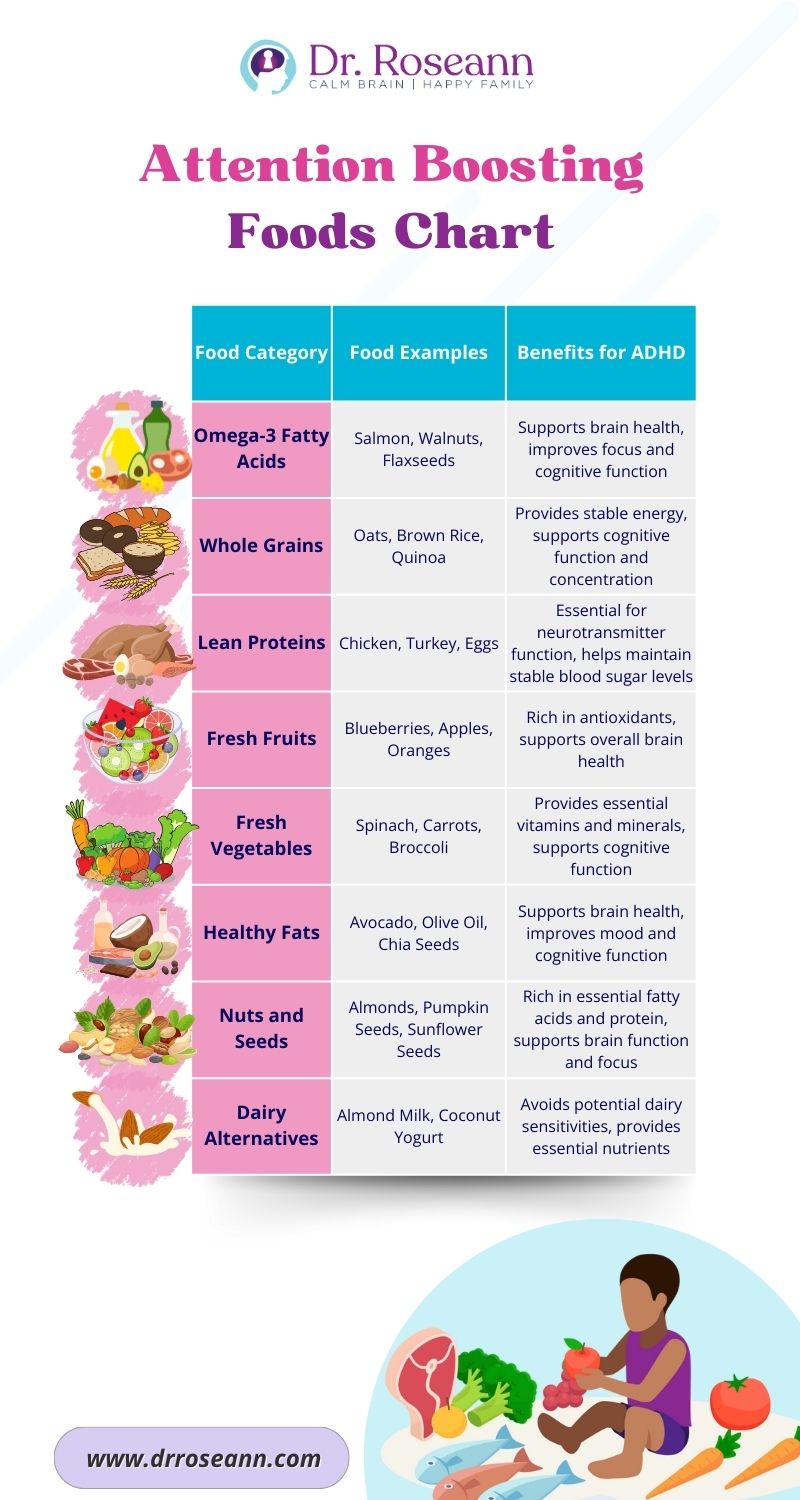
- Focus on foods rich in omega-3 fatty acids, such as salmon, walnuts, and flaxseeds, which are known to support brain health and cognitive function. Whole grains like oats and brown rice, lean proteins such as chicken and turkey, and a variety of fresh fruits and vegetables should also make up a significant portion of your list. These foods provide essential nutrients that can help improve focus and concentration.
Sensory-Friendly Foods:
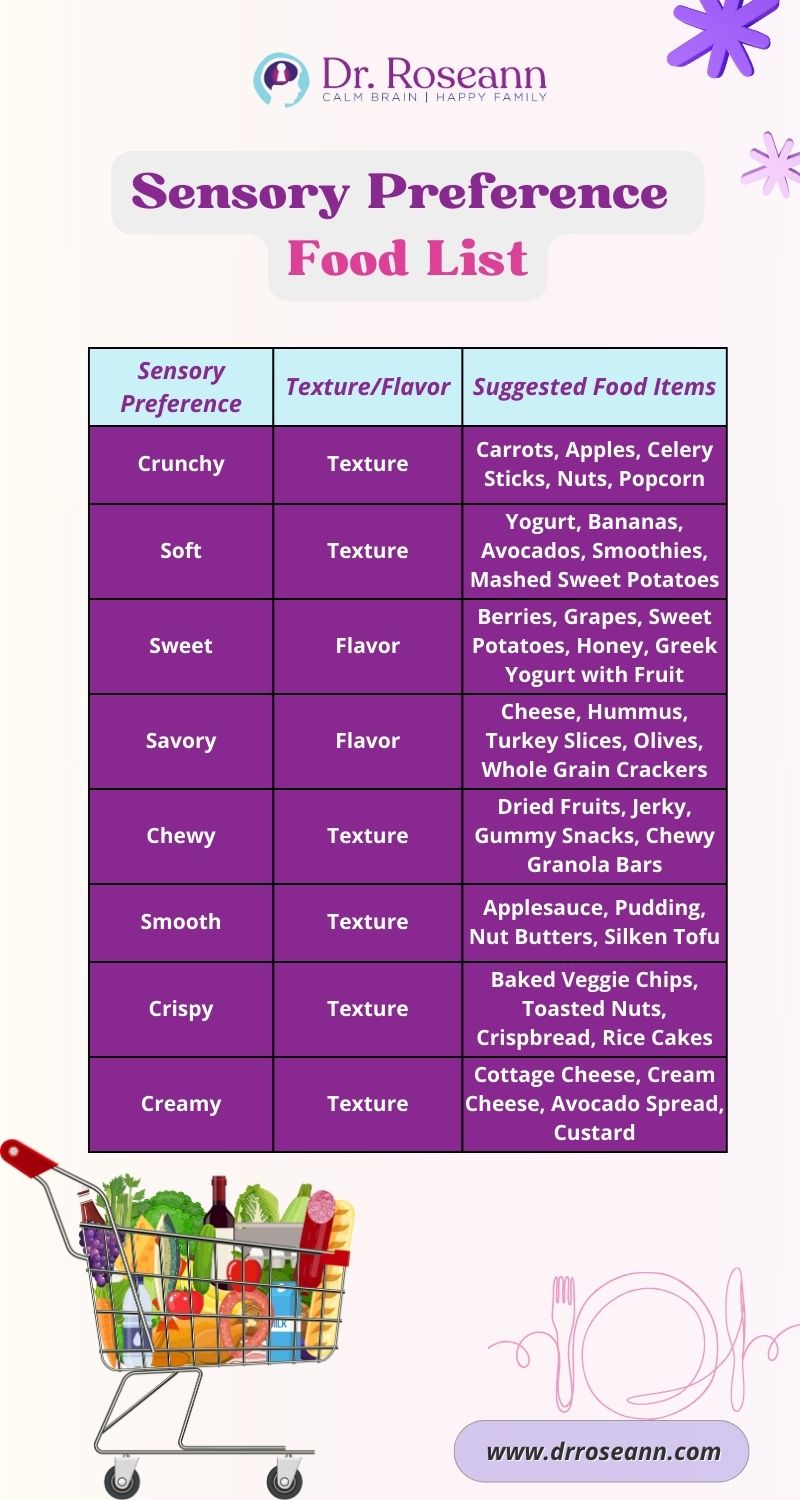
- Consider the textures and flavors your child prefers, as children with ADHD may have heightened sensory sensitivities. If they dislike mushy foods, crunchy options like carrots, apples, and celery sticks might be more appealing. On the other hand, if they prefer softer textures, options like yogurt, bananas, and avocados can be included. Incorporating a variety of textures can make meals more enjoyable and less stressful for your child.
Avoiding Triggers:
- Some children with ADHD may be sensitive to certain food additives, artificial colors, or sugars. It’s a good idea to avoid processed foods and sugary snacks whenever possible. Instead, opt for natural, whole foods that are free from additives. Reading labels and being mindful of ingredients can help you make healthier choices. Additionally, consulting with a healthcare provider or nutritionist can provide further guidance on specific dietary needs and potential food sensitivities.
- Avoiding processed foods and focusing on essential items can help save money by reducing impulse buys and unnecessary purchases.
Essential Items for an ADHD Diet
- Include protein-rich foods, such as chicken, fish, eggs, and legumes, to support focus and concentration.
- Add essential fatty acids, found in fatty fish, walnuts, and flaxseeds, for brain health.
- Use healthy fats such as nuts and seeds, olive oil, coconut oil and other dietary choices that have good fats for the brain.
- People with ADHD need consistent protein is essential for maintaining blood sugar for good attention.
- Incorporate complex carbohydrates, such as whole grains, to support stable energy levels.
- Consider including pumpkin seeds, rich in essential amino acids, to support brain function.
- Avoid foods high in dairy, cheese, sugar and gluten which are not part of an anti-inflammatory brain diet.
Healthy Snack Foods for ADHD Management
- Buy snack foods that are rich in essential nutrients, such as fruits, vegetables, and nuts.
- Avoid sugary foods, simple carbohydrates, unhealthy fats, and caffeine, which may worsen ADHD symptoms. Read labels because added sugars often sneak into perceived “healthy” snacks too.
- Opt for nutritious food options, such as Greek yogurt, nuts and seeds, olive oil, oatmeal, and apples, to support brain health
By taking these factors into consideration, such as the balance of essential nutrients, the variety and freshness of ingredients, and the inclusion of familiar flavors your child enjoys, you can create a grocery list that not only supports your child’s nutritional needs but also caters to their sensory preferences and helps avoid potential dietary triggers.This thoughtful approach can contribute to better overall well-being, enhance their physical health, and ensure they receive the necessary vitamins and minerals. Additionally, it can make mealtime a more positive and enjoyable experience for your family, fostering healthy eating habits and a happier dining atmosphere.
Basics for Grocery Shopping for ADHD
- Consider sensory preferences when selecting foods.
- Follow an ADHD diet that is gluten-free, dairy-free, corn-free, soy-free, and low in sugar, which can make symptoms worse. Following this diet can also help save money by avoiding expensive processed foods.
- Dairy products are slow to digest and can be tied to hyperactivity and even aggression.
- Avoid food additives, such as artificial colors, flavors, and preservatives, which may contribute to hyperactivity.
- Consider individual food allergies and intolerances when planning meals because certain foods can worsen behaviors.
Strategies for Navigating the Grocery Store
Once your ADHD grocery list is ready, the next step is to make the actual shopping trip as smooth as possible.Here are some strategies to help you:
- Use Visual Aids: Create a visual shopping list that your child can help check off. This can help keep them engaged and focused.
- Pre-Planned Routes: Plan your route through the store in advance to avoid unnecessary trips back and forth. Stick to the perimeter of the store where fresh produce, dairy, and meats are typically located.Planning your route can help save money by avoiding unnecessary purchases and impulse buys.
- Involve Your Child: Let your child help with selecting items from the list. This involvement can give them a sense of responsibility and control, making them more cooperative during the trip.
The Importance of Involving Your Child in the Shopping Process
Including your child in the grocery shopping process can be incredibly beneficial. Not only does it help them develop essential life skills, such as budgeting, meal planning, and understanding nutritional labels, but it also gives them a sense of responsibility and control. Those with ADHD avoid foods that might have a sensory component, so empowering them in the selection process can help lessen that avoidance. Teaching your child about budgeting can also help save money.Allowing your child to make choices within certain boundaries, like picking out fruits or selecting a healthy snack, can make the experience more enjoyable for both of you. It also provides an excellent opportunity for quality bonding time and teaches them the importance of making informed decisions.By involving your child in these everyday tasks, you are helping them build a foundation for independence and self-sufficiency.
Meal Planning to Reduce Grocery Trips
Frequent grocery trips can be exhausting, especially with a child who has ADHD. Meal planning can help you reduce the number of trips to the store and ensure a balanced diet at home:
- Plan Weekly Meals: Take some time each week to plan your meals. Make a list of ingredients you’ll need and stick to it. This can help save money by reducing the number of trips to the store.
- Batch Cooking: Prepare larger quantities of food and freeze portions for later. This can save time and reduce the need for mid-week grocery runs.
- Healthy Snacks: Keep a stock of healthy snacks readily available to curb impulsive eating and ensure your child is getting nutritious options.
- Shop Online: Take advantage of online grocery shopping and delivery services to save time and avoid the hassle of frequent trips. Places like Amazon have made online shopping easy.
- Use a Recipe App: Utilize meal planning and recipe apps to organize your grocery list and discover new, balanced recipes.
- Buy in Bulk: Purchase non-perishable items in bulk to minimize trips and ensure you always have staple ingredients on hand.
- Create a Grocery Calendar: Develop a shopping calendar to help you plan out when to replenish supplies, reducing the likelihood of last-minute trips.
Next Steps in Grocery Shopping For Your ADHD Child
Grocery shopping with a child who has ADHD and is a picky eater may present unique challenges, but with preparation and the right strategies, it can become less stressful. Focus on brain-boosting and sensory-friendly foods that your child likes, such as fruits, vegetables, lean proteins, and whole grains.Plan your grocery trips carefully by creating a detailed shopping list and choosing a time of day when the store is less crowded to reduce sensory overload. Careful planning can also help save money by avoiding unnecessary purchases.Involve your child in selecting items they are willing to try by discussing the shopping trip in advance and allowing them to help choose new foods. Additionally, consider bringing along familiar comfort items, such as a favorite toy or snack, to help manage any anxiety.These small steps can make a big difference in creating a positive shopping experience, encouraging healthier eating habits, and fostering a sense of independence and responsibility in your child.The Dysregulated Kid™ Anti-Inflammatory Grocery List equips you with the essentials to fill your pantry with foods that combat inflammation, boost cognitive function, and help your child find their calm. Each small adjustment you make can lead to significant improvements. So, take that first step today and watch as these nutritious choices transform your child’s mood, focus, and overall well-being. Get this guide for free here.

Citations:Johnson, R. J., Gold, M. S., Johnson, D. R., Ishimoto, T., Lanaspa, M. A., Zahniser, N. R., & Avena, N. M. (2011). Attention-deficit/hyperactivity disorder: is it time to reappraise the role of sugar consumption?. Postgraduate medicine, 123(5), 39–49. https://doi.org/10.3810/pgm.2011.09.2458Choi, C. S., Kim, P., Park, J. H., Gonzales, E. L., Kim, K. C., Cho, K. S., Ko, M. J., Yang, S. M., Seung, H., Han, S. H., Ryu, J. H., Cheong, J. H., & Shin, C. Y. (2015). High sucrose consumption during pregnancy induced ADHD-like behavioral phenotypes in mice offspring. The Journal of nutritional biochemistry, 26(12), 1520–1526. https://doi.org/10.1016/j.jnutbio.2015.07.018Dr. Roseann is a mental health expert in ADHD who is frequently in the media:
- The Healthy 12 Silent Signs of Adult ADHD You Might Be Ignoring
- Scary Mommy What Is Self-Regulation In Children, And How Can You Help Improve It?
- Evan H. Hirsch, MD – EnergyMD with Dr. Roseann Capanna-Hodge (Video) Topic: Is it Brain Fog or ADHD?
Always remember... “Calm Brain, Happy Family™”
Disclaimer: This article is not intended to give health advice and it is recommended to consult with a physician before beginning any new wellness regime. *The effectiveness of diagnosis and treatment vary by patient and condition. Dr. Roseann Capanna-Hodge, LLC does not guarantee certain results.
Are you looking for SOLUTIONS for your struggling child or teen?
Dr. Roseann and her team are all about science-backed solutions, so you are in the right place!
Grab your complimentary copy of The CALM Brain DIET™ for the Dysregulated Kid™ Anti-Inflammatory Grocery List
Dr. Roseann is a Children’s Mental Health Expert and Licensed Therapist who has been featured in/on hundreds of media outlets including The Mel Robbins Show, CBS, NBC, PIX11 NYC, Today, FORBES, CNN, The New York Times, The Washington Post, Business Insider,Women’s Day, Healthline, CNET,Parade Magazine and PARENTS. FORBES called her, “A thought leader in children’s mental health.”

She coined the terms, “Re-entry panic syndrome” and “eco-anxiety” and is a frequent contributor to media on mental health.Dr. Roseann Capanna-Hodge has three decades of experience in working with children, teens and their families with attention-deficit hyperactivity disorder (ADHD), autism, concussion, dyslexia and learning disability, anxiety, Obsessive Compulsive Disorder (OCD), depression and mood disorder, Lyme Disease, and PANS/PANDAS using science-backed natural mental health solutions such as supplements, magnesium, nutrition, QEEG Brain maps, neurofeedback, PEMF, psychotherapy and other non-medication approaches.She is the author of three bestselling books, It’s Gonna Be OK!: Proven Ways to Improve Your Child's Mental Health, The Teletherapy Toolkit, and Brain Under Attack. Dr. Roseann is known for offering a message of hope through science-endorsed methods that promote a calm brain.Her trademarked BrainBehaviorResetⓇ Program and It’s Gonna be OK!Ⓡ Podcast has been a cornerstone for thousands of parents facing mental health, behavioral or neurodevelopmental challenges.She is the founder and director of The Global Institute of Children’s Mental Health, Neurotastic™Brain Formulas and Dr. Roseann Capanna-Hodge, LLC. Dr. Roseann is a Board Certified Neurofeedback (BCN) Practitioner, a Board Member of the Northeast Region Biofeedback Society (NRBS), Certified Integrative Mental Health Professional (CIMHP) and an Amen Clinic Certified Brain Health Coach. She is also a member of The International Lyme Disease and Associated Disease Society (ILADS), The American Psychological Association (APA), Anxiety and Depression Association of America (ADAA) National Association of School Psychologists (NASP), International OCD Foundation (IOCDF).© Roseann-Capanna-Hodge, LLC 2024