Find Your Solution
In 3 minutes, you’ll know where to start ➤
%20.png)





Estimated Reading Time: 6 minutes
If homework feels like a nightly battle, you are not failing as a parent. Homework problems matter because they affect learning, confidence, and your relationship with your child. In this episode, I’ll explain why homework struggles happen and how to support your child without escalating stress.
Let’s calm the brain first.
Many kids hold it together all day and fall apart at home. Homework challenges often appear when their mental energy is depleted.
Key takeaways:
Parent story: A child focuses all day at school but melts down at home because the brain is exhausted and can no longer compensate.
Resistance is not always refusal. Sometimes children genuinely do not understand what’s being asked.
Key takeaways:
Parent story: Your child knows the math concept but freezes because the written instructions feel overwhelming.
Homework struggles often stem from task initiation and organization challenges—not defiance.
Key takeaways:
Parent story: A child understands the work but cannot begin without prompts. Parents might misread this as laziness.
Before changing strategies, identify why the breakdown is happening.
Key takeaways:
Parent story: A child melts down at the same time every night because their nervous system is overloaded—not because they dislike homework.
Collaboration with teachers is essential—even without an IEP or 504 plan.
Key takeaways:
Parent story: Parents discovered that homework instructions at home differed from classroom explanations, creating confusion and meltdowns.
Small adjustments at home help kids manage stress, stay organized, and complete work with less conflict.
Try this:
When your child is dysregulated, it’s easy to feel helpless. Remember:
Tools that help:
🗣️ “Homework resistance is often about regulation and understanding, not willful behavior.” — Dr. Roseann
Start with co-regulation and predictable routines. Calm the nervous system first to reduce meltdowns.
Most homework battles are dysregulation, not defiance. Behavior is communication.
After a full day of sensory input, attention demands, and transitions, the nervous system may finally overflow.
Connection before correction, sensory breaks, and structured expectations help reduce nightly conflicts.
Next Step: Feel like you’ve tried everything and still don’t have answers?
The Solution Matcher helps you find the best starting point based on your child’s symptoms, behaviors, and history.It’s fast, free, and based on decades of clinical expertise.
Get your personalized plan now at www.drroseann.com/help
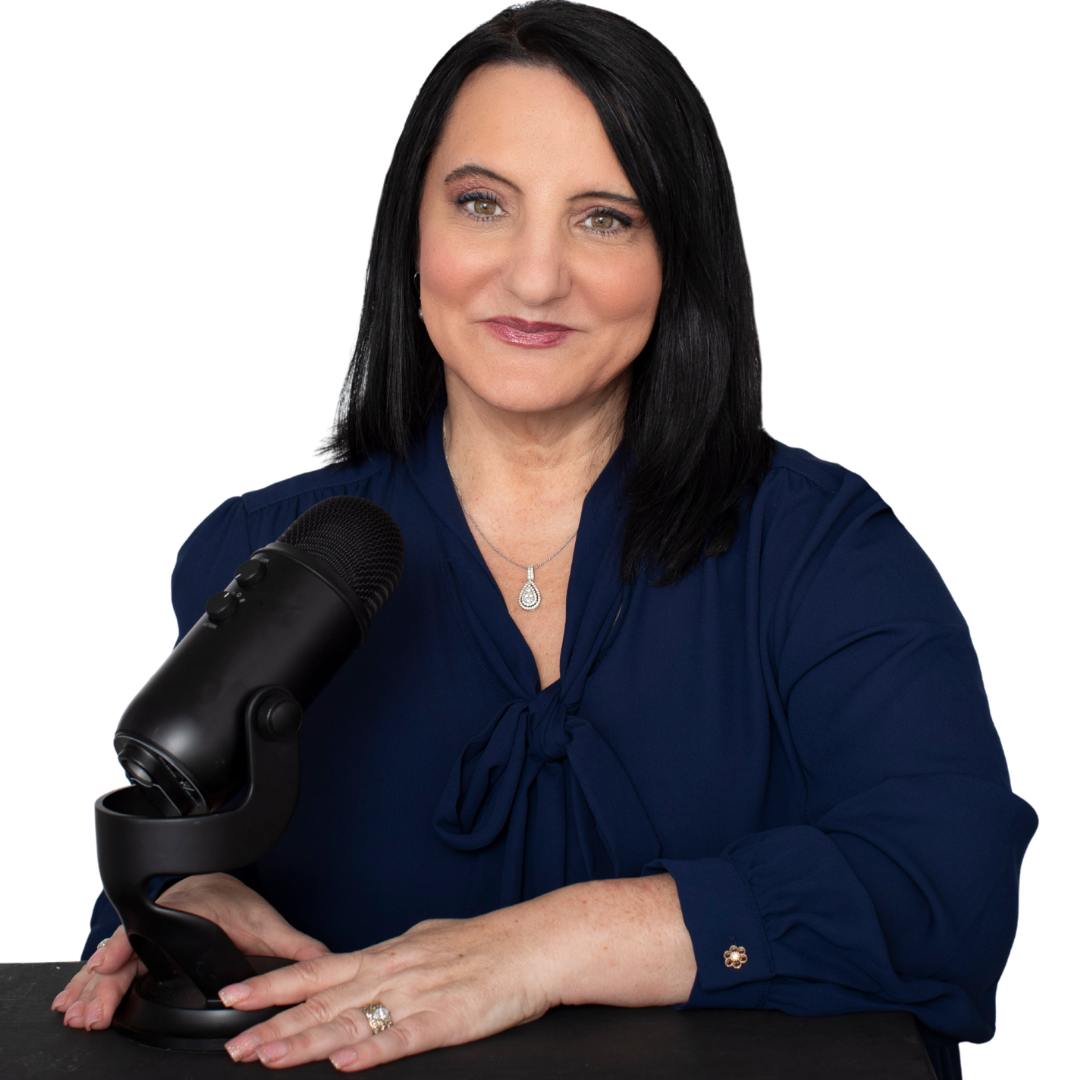
Dr. Roseann Capanna-Hodge is a licensed therapist, certified school psychologist, and leading expert in emotional dysregulation in children. With over 30 years of experience, she helps parents understand the root causes of meltdowns, anxiety, ADHD, and challenging behavior through the lens of nervous system regulation. Dr. Roseann teaches practical, science-backed strategies for co-regulation and how to calm a dysregulated child using her Regulation First Parenting™ approach. She is the host of the Dysregulated Kids Podcast and author of The Dysregulated Kid.
Dr. Roseann Capanna-Hodge
Emotional Dysregulation in Children & Nervous System Expert
Regulation First Parenting™ | CALMS Protocol™
Host of the Dysregulated Kids Podcast (Top 1% Globally)
Author of The Dysregulated Kid