Find Your Solution
In 3 minutes, you’ll know where to start ➤
%20.png)




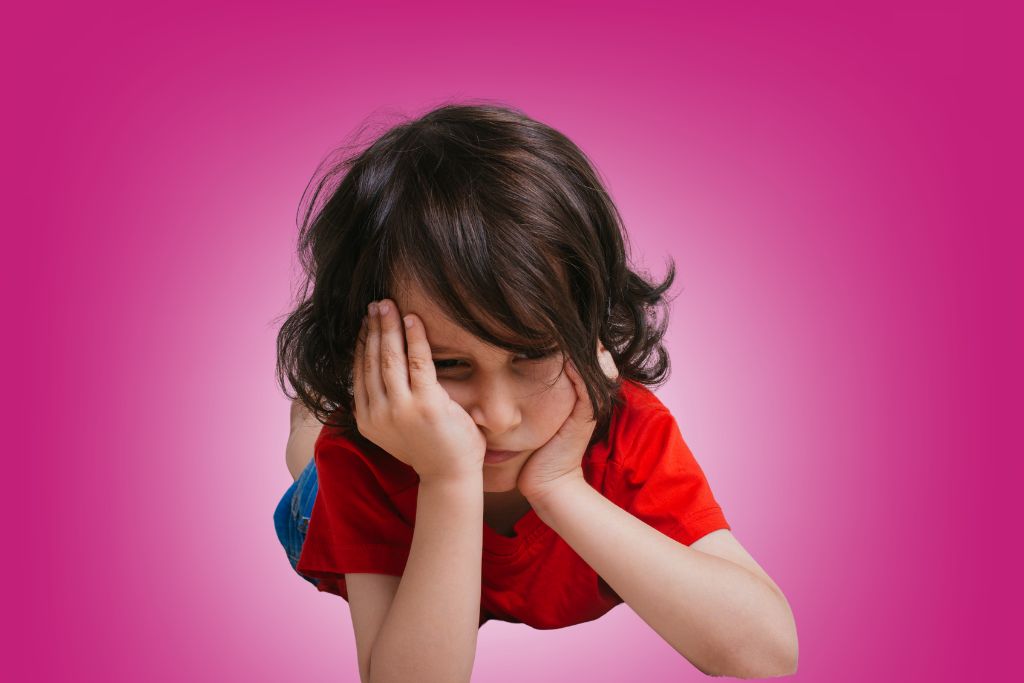
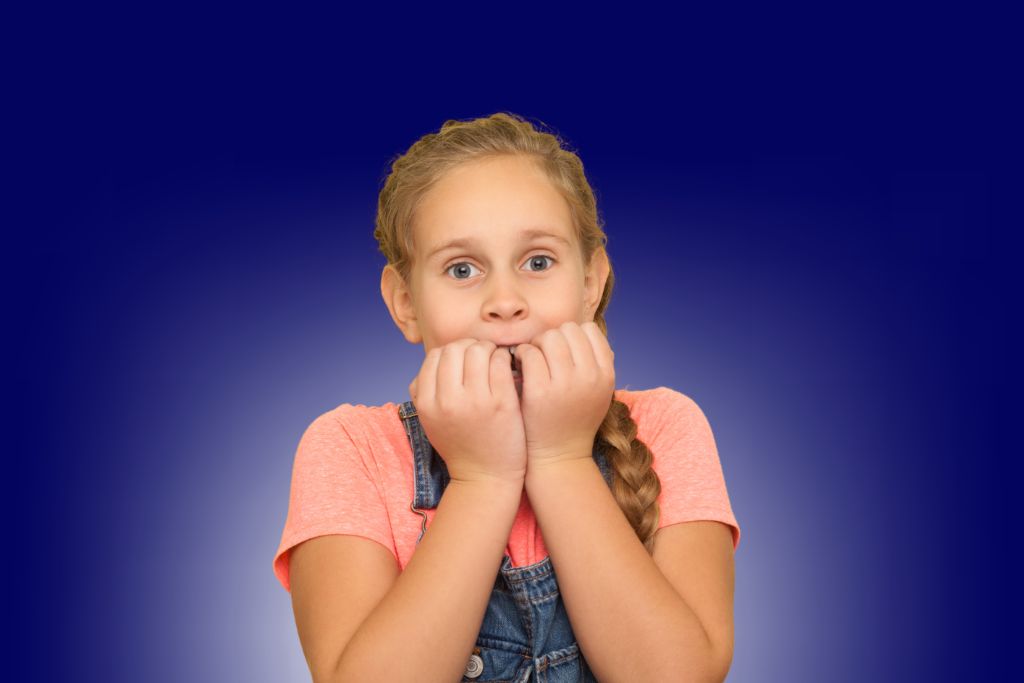
If your child suddenly refuses school and your mornings feel like a battlefield, you’re not failing as a parent. School refusal is rising fast, and it’s a sign of a dysregulated nervous system, not defiance. It is often rooted in emotional dysregulation in children. In this episode, you’ll learn what school refusal really is, how it shows up, and what actually helps kids feel safe enough to return.
School refusal happens when a child experiences intense emotional or physical distress about attending school. Research now shows 5% of children will experience school refusal, up from 1% two decades ago. This increase matters because school refusal often overlaps with:
It’s not bad parenting—it’s a dysregulated brain. The brain is reacting to stress, not choosing defiance.
Parent example: A child who loved school last year suddenly panics every Sunday night, complaining of stomach pain and begging to stay home.
School refusal is often misunderstood as avoidance, but the body tells the real story.Common signs include:
Behavior is communication. When fear hijacks the brain, kids shift into survival mode and can’t think or learn clearly.
When kids have intrusive or irrational fears, their brains become hijacked. This is the fight, flight, or freeze response in action. Key drivers include:
Once the nervous system is overwhelmed, logic doesn’t work. Pushing harder often backfires.
Parent scenario: A child sobs at the school door despite reassurance because their body believes school equals danger.
Dr. Roseann emphasizes that calming the brain is the starting point, not forcing attendance. Effective regulation strategies include:
There’s no quick fix. Regulation takes time, but it builds lasting resilience.
Let’s calm the brain first.
When your child is dysregulated, it’s easy to feel helpless.
The Regulation Rescue Kit gives you the scripts and strategies you need to stay grounded and in control. Become a Dysregulation Insider VIP at www.drroseann.com/newsletter and get your free kit today.
The goal isn’t perfect attendance—it’s mental health recovery.Helpful steps:
Main goal: Get your child regulated so learning becomes possible again.
Early support makes a difference.Consider:
You don’t have to figure this out alone.️ “When the brain is hijacked by fear, kids aren’t choosing refusal—they’re surviving.”— Dr. Roseann
School refusal is scary, but it’s also treatable. With the right regulation tools, collaboration, and patience, kids can heal and return stronger. It’s gonna be OK—and help is available.
Stress triggers physical symptoms like stomach pain or headaches when the nervous system is overwhelmed.
No. Truancy is willful skipping. School refusal is fear-based and involuntary.
Yes. It can appear as early as kindergarten when anxiety or separation fears rise.
Next Step: Tired of not knowing what’s really going on with your child?
The Solution Matcher gives you a personalized recommendation based on your child’s behavior, not just a label. It’s free, takes just a few minutes, and shows you the best next step.
Go to www.drroseann.com/help
Dr. Roseann Capanna-Hodge is a licensed therapist, certified school psychologist, and leading expert in emotional dysregulation in children. With over 30 years of experience, she helps parents understand the root causes of meltdowns, anxiety, ADHD, and challenging behavior through the lens of nervous system regulation. Dr. Roseann teaches practical, science-backed strategies for co-regulation and how to calm a dysregulated child using her Regulation First Parenting™ approach. She is the host of the Dysregulated Kids Podcast and author of The Dysregulated Kid.
Dr. Roseann Capanna-Hodge
Emotional Dysregulation in Children & Nervous System Expert
Regulation First Parenting™ | CALMS Protocol™
Host of the Dysregulated Kids Podcast (Top 1% Globally)
Author of The Dysregulated Kid