Find Your Solution
In 3 minutes, you’ll know where to start ➤
%20.png)





Estimated Reading Time: 6 minutes
Parents often come to me overwhelmed and unsure if SSRIs (Selective Serotonin Reuptake Inhibitors) are helping or making things worse and those questions are absolutely valid. The side effects of SSRI medications can be significant, especially for developing brains. With an FDA Black Box warning and the gut-brain connection at play, you deserve clear, compassionate information. In this episode, I break it all down and provide you with hopeful, practical next steps. Let’s calm the brain first.
One of the hardest things for parents is seeing their child’s anxiety, agitation, or irritability get worse instead of better after starting SSRI medications. Unfortunately, this is one of the most common side effects of SSRIs in children.
Here’s why: SSRIs can destabilize a dysregulated nervous system, especially when there’s already chronic stress, neuroinflammation, or underlying undiagnosed issues like OCD, bipolar tendencies, or PANS/PANDAS.
You may notice:
I’ve seen kids who were previously only mildly anxious swing into severe irritability within weeks of starting the medication. And it’s not your fault—you’re responding to the guidance you were given.
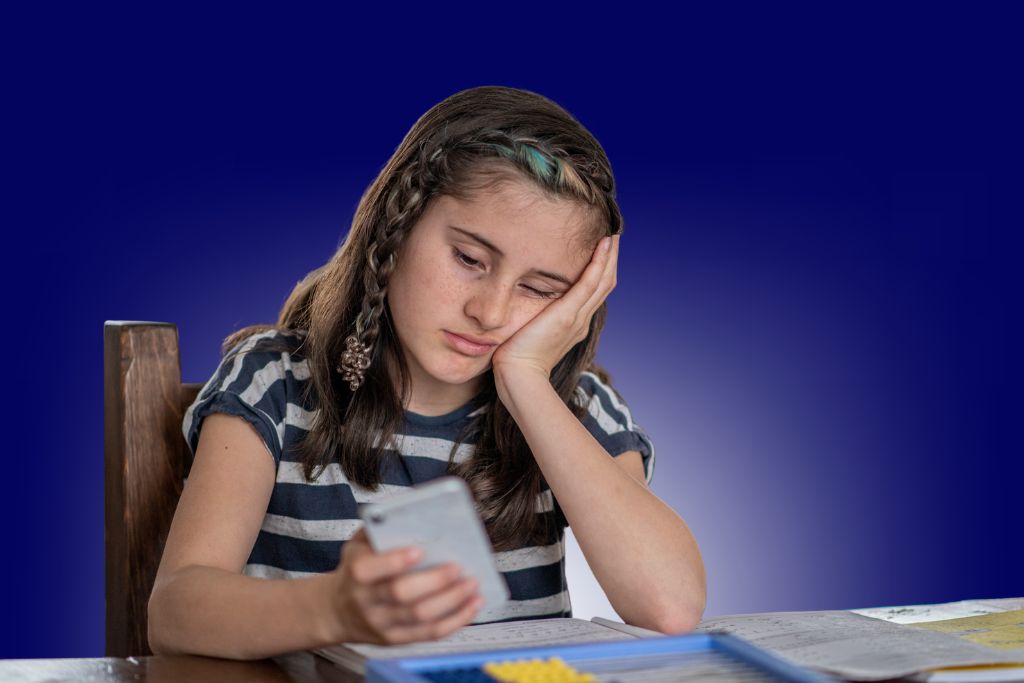
Many teens describe feeling emotionally numb or “not like themselves.” Parents notice their child seems disconnected, quiet, or distant.
This flattening happens because SSRIs level out both the highs and the lows, which may sound helpful—but for a developing brain, it can dull emotional processing and self-awareness.
A mom I worked with recently told me, “My son isn’t sad… but he isn’t anything.” That is a sign the nervous system needs support and regulation, not more dampening.
Watch for:
Behavior is communication—and flatness communicates dysregulation.
This is the question parents whisper to me because they’re afraid of the answer. So let’s say it plainly: up to 60% of adolescents experience significant side effects.
Beyond mood changes, SSRIs can contribute to:
And remember, you should never discontinue an SSRI without medical supervision. Safety first, always.
You have options—so many more than you’ve been told.
Here’s where we start:
You’re not stuck. You’re not out of options. It’s going to be OK.
🗣️ “Knowledge is power—and when you understand how SSRIs affect your child’s developing brain, you can finally make decisions that support real healing.” — Dr. Roseann
When your child is dysregulated, it’s easy to feel helpless. The Regulation Rescue Kit gives you the scripts and strategies you need to stay grounded and in control. Become a Dysregulation Insider VIP at www.drroseann.com/newsletter and get your free kit today.
It depends on the child. For some, SSRIs may be helpful, but for others, side effects like emotional numbing and increased agitation are common.
Yes. SSRIs can disrupt gut microbiota, where serotonin is produced, leading to digestive issues.
No. Abrupt discontinuation can cause dangerous side effects. Always work with your prescribing clinician when making changes to medication.
Every child’s journey is different.
That’s why cookie-cutter solutions don’t work. Take the free Solution Matcher quiz and get a customized path to support your child’s emotional and behavioral needs—no guessing, no fluff.
Start today at www.drroseann.com/help
Dr. Roseann Capanna-Hodge is a licensed therapist, certified school psychologist, and leading expert in emotional dysregulation in children. With over 30 years of experience, she helps parents understand the root causes of meltdowns, anxiety, ADHD, and challenging behavior through the lens of nervous system regulation. Dr. Roseann teaches practical, science-backed strategies for co-regulation and how to calm a dysregulated child using her Regulation First Parenting™ approach. She is the host of the Dysregulated Kids Podcast and author of The Dysregulated Kid.
Dr. Roseann Capanna-Hodge
Emotional Dysregulation in Children & Nervous System Expert
Regulation First Parenting™ | CALMS Protocol™
Host of the Dysregulated Kids Podcast (Top 1% Globally)
Author of The Dysregulated Kid