Find Your Solution
In 3 minutes, you’ll know where to start ➤
%20.png)



Estimated Reading Time: 5 minutes
School anxiety is rising and parents are overwhelmed. This episode unpacks why kids fear school and what their behavior is really saying. Many of these behaviors are rooted in emotional dysregulation in children. Dr. Roseann Capanna-Hodge, creator of Regulation First Parenting™, explains how calming the brain first supports emotional regulation and school success.
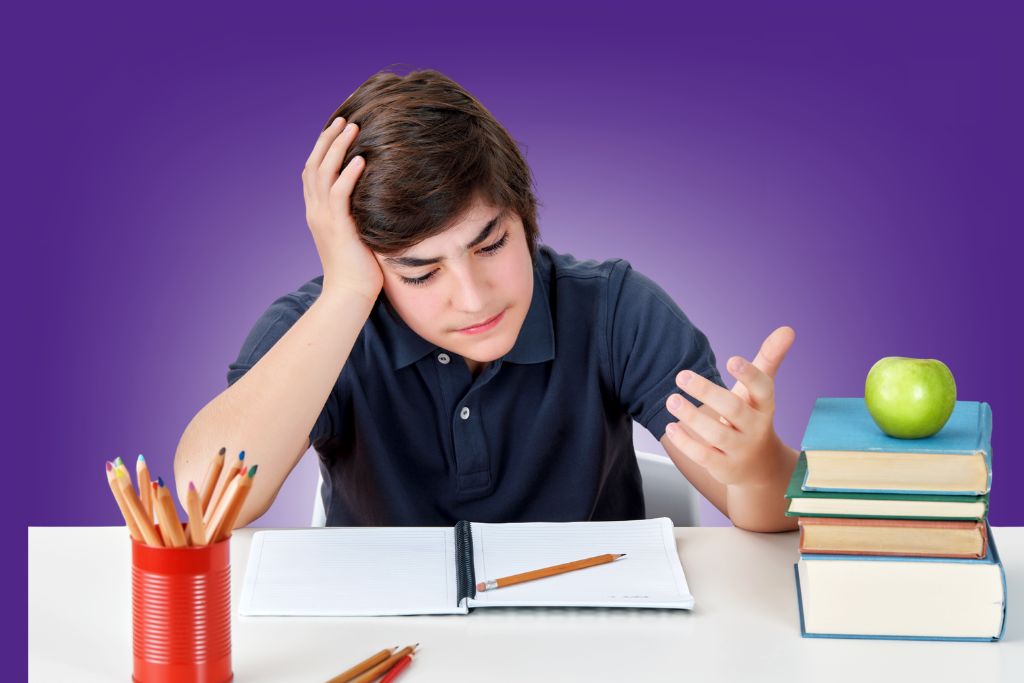
If your child melts down at night, complains of stomachaches in the morning, or flat-out refuses school, you are not the only one. School anxiety is one of the fastest-growing concerns parents face, and it matters because untreated school anxiety grows. In this episode, you will learn why school refusal happens and how to spot the early warning signs.
School anxiety rarely comes out of nowhere. Pressure, perfectionism, and expectations beyond developmental norms overload a child’s nervous system. When kids feel they must perform perfectly, their brain flips into survival mode.
Key contributors include:
Example: A second grader who loved school starts crying every night because spelling tests feel terrifying, not challenging.
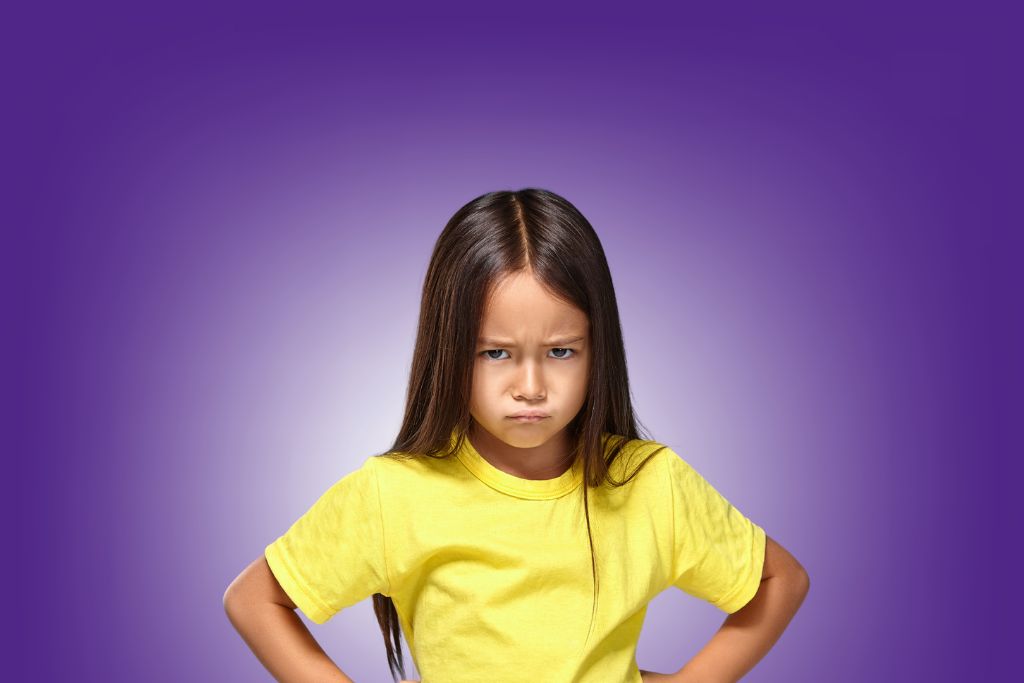
School refusal is a red flag for dysregulation, not bad behavior. Behavior is communication. Kids may say they are sick, move slowly in the morning, or beg to stay home. These are nervous system signals, not manipulation.
Watch for:
It’s not bad parenting. It’s a dysregulated brain.
Social anxiety often starts early and looks different than adults expect. Kids may fear speaking up, struggle to make friends, or avoid group activities. Common signs include:
Example: A child who understands the work freezes during class discussions because being seen feels unsafe.Early support helps kids build confidence and coping skills.
Children with OCD, ADHD, anxiety disorders, or learning challenges are at higher risk. Their brains work harder to manage stress, attention, and uncertainty.
Increased risk factors include:
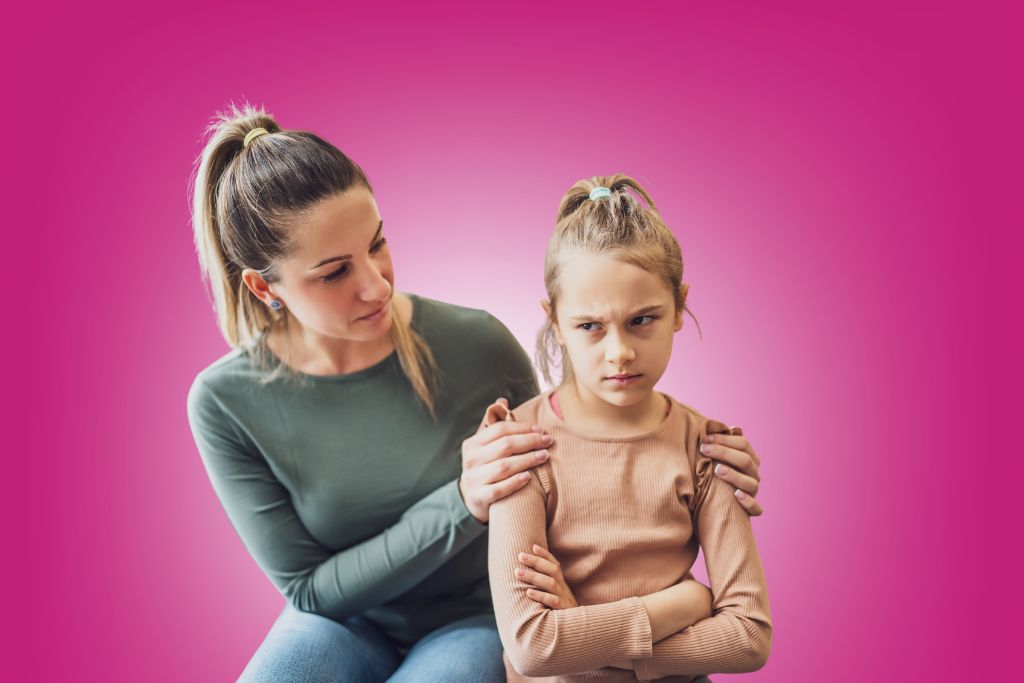
When school feels emotionally unsafe, avoidance feels logical to a child.When your child is dysregulated, it’s easy to feel helpless.
The Regulation Rescue Kit gives you the scripts and strategies you need to stay grounded and in control. Become a Dysregulation Insider VIP at www.drroseann.com/newsletter and get your free kit today.

What Dr. Roseann Says️ “Grades are not a benchmark of mental health, and when we forget that, anxiety takes over.” — Dr. Roseann
School anxiety is rising, but hope is real. When we calm the brain first, kids feel safer, more capable, and more connected. You do not need to force school. You need to support regulation. It’s gonna be OK. Listen to the full episode for deeper guidance and next steps.
Pressure, social stress, learning challenges, home stress, and nervous system dysregulation commonly contribute.
Look for avoidance, physical complaints, emotional outbursts, and changes in sleep or mood tied to school.
Yes. School refusal is often the first sign of untreated anxiety or dysregulation.
Forcing without regulation can worsen anxiety. Support the nervous system first.
If anxiety disrupts daily life, learning, or relationships, early support matters.
Next Step:
Tired of not knowing what’s really going on with your child?
The Solution Matcher gives you a personalized recommendation based on your child’s behavior, not just a label.It’s free, takes just a few minutes, and shows you the best next step.
Go to www.drroseann.com/help
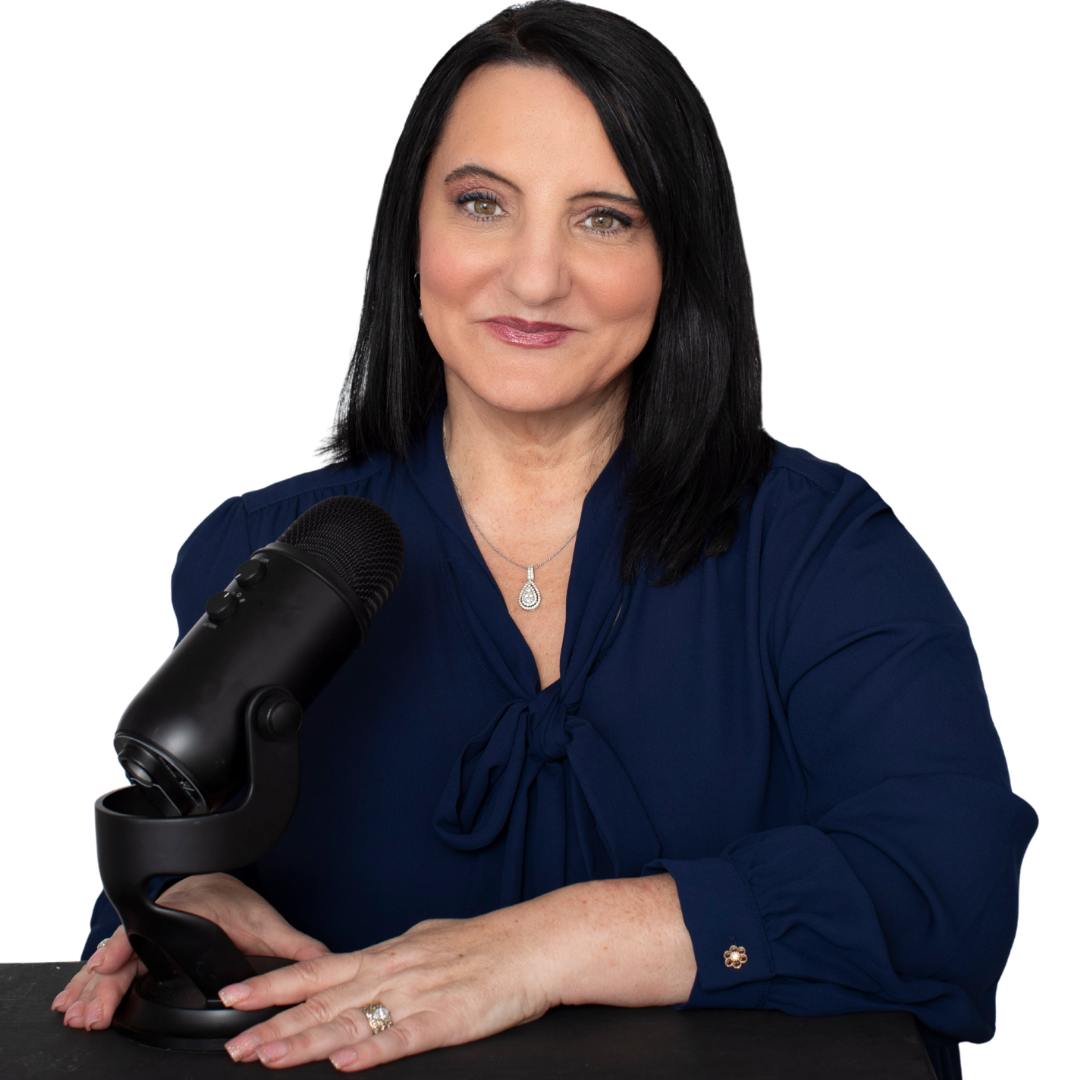
Dr. Roseann Capanna-Hodge is a licensed therapist, certified school psychologist, and leading expert in emotional dysregulation in children. With over 30 years of experience, she helps parents understand the root causes of meltdowns, anxiety, ADHD, and challenging behavior through the lens of nervous system regulation. Dr. Roseann teaches practical, science-backed strategies for co-regulation and how to calm a dysregulated child using her Regulation First Parenting™ approach. She is the host of the Dysregulated Kids Podcast and author of The Dysregulated Kid.
Dr. Roseann Capanna-Hodge
Emotional Dysregulation in Children & Nervous System Expert
Regulation First Parenting™ | CALMS Protocol™
Host of the Dysregulated Kids Podcast (Top 1% Globally)
Author of The Dysregulated Kid