Find Your Solution
In 3 minutes, you’ll know where to start ➤
%20.png)





Estimated Reading Time: 6 minutes
When your child is struggling in school—whether it’s melting down after homework, falling behind in class, or feeling overwhelmed by expectations—it’s easy to feel lost and unsure of what to do next. Understanding the difference between an IEP and a 504 plan can be a game-changer in securing the support your child actually needs.
In this episode, Dr. Roseann Capanna-Hodge breaks down what each plan covers, how they differ, and how you can determine which one will best help your child thrive at school.
Many parents feel overwhelmed when they first encounter the IEP vs 504 dilemma. Both plans sound similar, but the level of support they offer is very different. And when a school tells you your child doesn’t qualify, it can feel discouraging.
One mom spent thousands of dollars pursuing an IEP for her gifted child with dyslexia. Although her child didn’t qualify, she still deserved support. This confusion happens daily, and understanding the differences between IEP vs 504 can help you make the right choice for your child’s needs.
As a parent, you may wonder if an IEP is necessary for your child. The key question is: Is my child falling behind academically, socially, or developmentally because of a disability?
A 504 plan removes barriers and ensures that your child has equal access to school. Unlike an IEP, which includes specialized teaching, a 504 plan provides accommodations without altering the curriculum.
Although a 504 doesn’t offer specialized teaching, it ensures equal access and helps children who need support in specific areas like attention, anxiety, and emotional regulation.
As a parent, you may feel pressured to make your child “fit” into the system. However, legally, both IEP and 504 plans must reflect the child’s individual needs, not the system’s constraints.
Remember: You are your child’s best advocate, and it’s your job to ensure the plan truly meets their needs.
What Dr. Roseann Says: “You are your child’s best advocate. There’s nobody else that’s better than you.”
The key to success is understanding the differences between IEP vs 504 and knowing which plan will provide the right support for your child. It’s not bad parenting—it’s a dysregulated brain. When you know your options, you can confidently advocate for the path that will best help your child thrive.
Children with ADHD often qualify for a 504 plan, but in some cases, if ADHD significantly impacts learning, an IEP may be necessary.
Yes, it’s possible for a child to have both if their needs require it, though this is less common.
Yes, 504 plans extend into college and workplace settings, ensuring ongoing support.
If the school says your child doesn’t qualify for an IEP or 504, ask for a clear explanation and explore other options, including outside evaluations.
Stigma has greatly decreased, and many schools now openly support accommodations and special education services for all types of learners.
Next Step:Tired of not knowing what’s really going on with your child?The Solution Matcher gives you a personalized recommendation based on your child’s behavior—not just a label. It’s free, fast, and shows your best next step.Go to www.drroseann.com/help
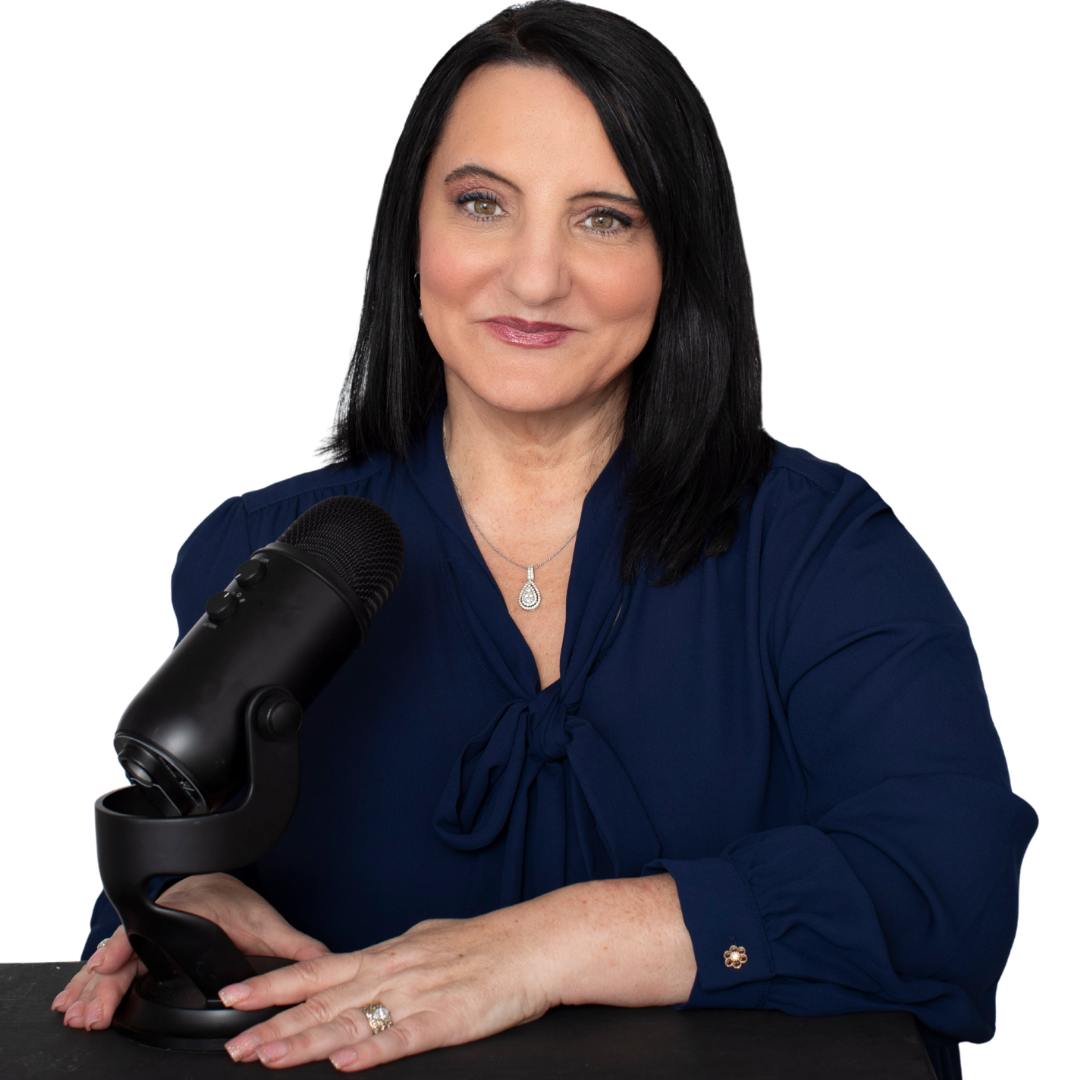
Dr. Roseann Capanna-Hodge is a licensed therapist, certified school psychologist, and leading expert in emotional dysregulation in children. With over 30 years of experience, she helps parents understand the root causes of meltdowns, anxiety, ADHD, and challenging behavior through the lens of nervous system regulation. Dr. Roseann teaches practical, science-backed strategies for co-regulation and how to calm a dysregulated child using her Regulation First Parenting™ approach. She is the host of the Dysregulated Kids Podcast and author of The Dysregulated Kid.
Dr. Roseann Capanna-Hodge
Emotional Dysregulation in Children & Nervous System Expert
Regulation First Parenting™ | CALMS Protocol™
Host of the Dysregulated Kids Podcast (Top 1% Globally)
Author of The Dysregulated Kid