Find Your Solution
In 3 minutes, you’ll know where to start ➤
%20.png)





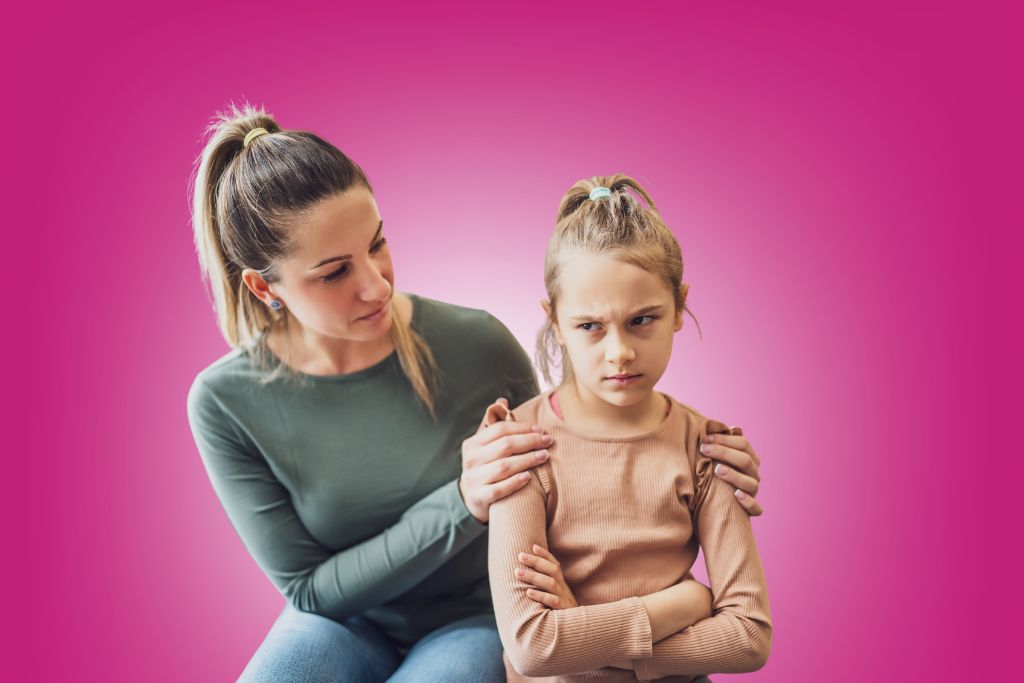
If your child melts down at the mention of school, freezes at the car door, or flat-out refuses to go, it can feel overwhelming and lonely. Addressing School refusal matters because it is rising fast and it signals a nervous system in distress. In this episode, Dr. Roseann breaks down actionable school refusal strategies that support kids emotionally while helping them return to learning safely and successfully.
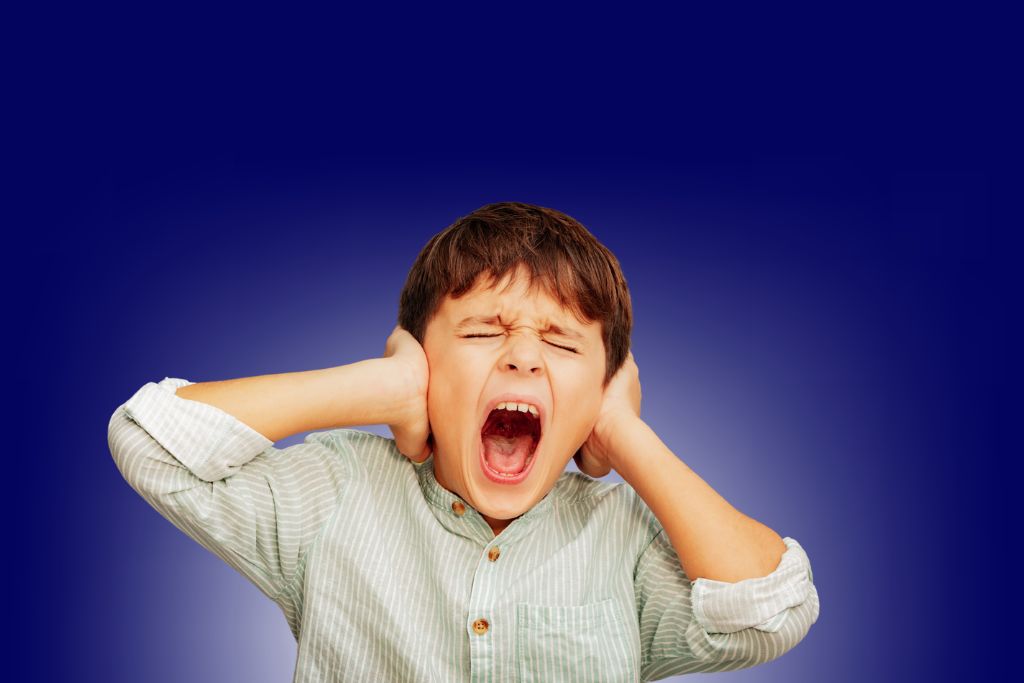
School refusal rarely comes out of nowhere. Behavior is communication, and refusal often points to anxiety, learning challenges, social stress, or an overstimulated brain.When a child’s nervous system is overloaded, thinking and learning shut down.
Key takeaways:
Example: A parent notices their child panics every morning. Teachers reveal the child struggles silently during reading time, leading to avoidance.
Before jumping to solutions, it is critical to assess the child’s unique needs. Dr. Roseann emphasizes teamwork between parents, teachers, and support staff.
What to focus on:
When schools adjust the environment, kids often feel safer and more capable.
Bold truth: It is not bad parenting, it is a dysregulated brain.
Once the root cause is clear, psychoeducation becomes a powerful tool. Kids want to understand what is happening in their brains and bodies.
Why psychoeducation matters:
Example: A child learns their stomachaches are anxiety signals, not danger signs, reducing fear and avoidance.
When your child is dysregulated, it’s easy to feel helpless.
The Regulation Rescue Kit gives you the scripts and strategies you need to stay grounded and in control.
Become a Dysregulation Insider VIP at www.drroseann.com/newsletter and get your free kit today.
A rushed return often backfires. Dr. Roseann recommends a detailed, step-by-step return plan that builds confidence gradually. Effective return plans include:
Small wins matter. Sitting in the building for 10 minutes can be a huge success at first. This is about shaping calm, regulated behavior over time.
Safe exposure helps kids face fears without flooding their nervous system. The goal is confidence, not compliance. Remember:
It’s gonna be OK. Progress takes time, but it is possible.
️“Kids don’t want to avoid school. They want the problem making school hard to be solved.”— Dr. Roseann
School refusal strategies work best when we calm the brain first, identify root causes, and create supportive return plans. With patience and the right tools, kids can reconnect with learning and confidence. Explore more resources or listen to the full episode to take the next step forward.
It varies. With early support and regulation-based strategies, improvement can happen within weeks.
Most often it is anxiety or dysregulation, not defiance.
Forcing often increases fear. Gradual, supported plans are more effective.
Yes. Even young children can experience school-related anxiety and avoidance.
Yes. Regulation, psychoeducation, and environmental support can be very effective.
Next Step:
Every child’s journey is different. That’s why cookie-cutter solutions don’t work. Take the free Solution Matcher Quiz and get a customized path to support your child’s emotional and behavioral needs, no guessing, no fluff.
Start today at www.drroseann.com/help
Dr. Roseann Capanna-Hodge is a licensed therapist, certified school psychologist, and leading expert in emotional dysregulation in children. With over 30 years of experience, she helps parents understand the root causes of meltdowns, anxiety, ADHD, and challenging behavior through the lens of nervous system regulation. Dr. Roseann teaches practical, science-backed strategies for co-regulation and how to calm a dysregulated child using her Regulation First Parenting™ approach. She is the host of the Dysregulated Kids Podcast and author of The Dysregulated Kid.
Dr. Roseann Capanna-Hodge
Emotional Dysregulation in Children & Nervous System Expert
Regulation First Parenting™ | CALMS Protocol™
Host of the Dysregulated Kids Podcast (Top 1% Globally)
Author of The Dysregulated Kid