Find Your Solution
In 3 minutes, you’ll know where to start ➤
%20.png)





Estimated Reading Time: 5 minutes
When your child comes home drained, anxious, or on the edge of a meltdown, it’s not bad parenting. Neurodivergent students often carry a full day of sensory, executive, and cognitive stress that teachers may never see. In this episode, I break down why these behaviors occur, how to support your child’s nervous system, and what accommodations make a real difference.
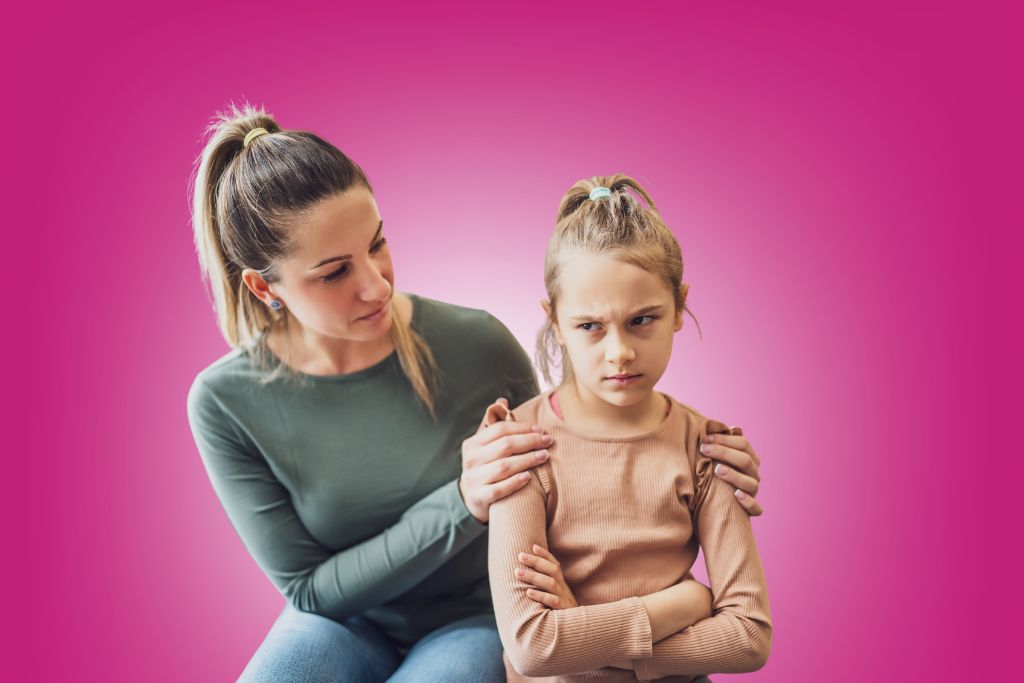
Many kids hold it together all day and then release stress at home. Their nervous system finally feels safe enough to let go.
Supports that help:
Parent Scenario: A child navigates noisy hallways and visually busy classrooms but comes home irritable and explosive because their nervous system is overwhelmed.
Sensory overload can shut down learning. Sounds, lights, textures, or smells can trigger dysregulation instantly.
Tools that help:
These simple accommodations give the brain a chance to focus and regulate.
Executive functioning is like the brain’s manager. When overloaded, kids struggle to plan, organize, and follow through. This affects even bright students.
Signs:
Supports:
Parent Example: A child stares at a worksheet not because they are defiant but because they can’t figure out where to begin.
Want to stay calm when your child pushes every button?Become a Dysregulation Insider VIP and get the FREE Regulation Rescue Kit.
Grab it now at www.drroseann.com/newsletter.
Formal accommodations protect learning access and help educators understand unique needs.
Steps to consider:
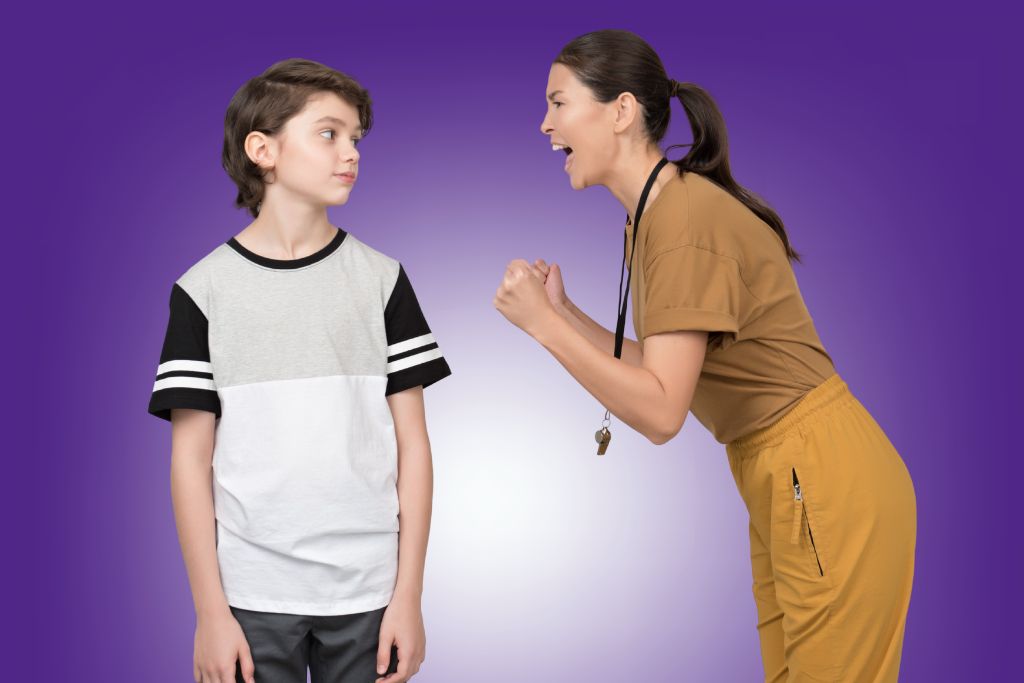
Behavior is communication. When we calm the nervous system first, learning and coping improve.
At home, parents can build a safe environment that reinforces calm and regulation.
Strategies:
Parent Tip: Even small sensory or movement breaks before homework can prevent meltdowns and support executive functioning.
Understanding triggers helps parents anticipate and reduce dysregulation.
Frequent triggers include:
By proactively addressing these triggers, the nervous system can remain more regulated.
Schools play a critical role. Advocacy ensures interventions align with your child’s needs.
Tips for working with educators:
Consistency between home and school creates stability for your child.
🗣️ “Supporting neurodivergent kids starts with meeting them where they are. When we understand their wiring, everything gets easier.”— Dr. Roseann
Sometimes sensory and executive challenges need clinical evaluation.
Seek help if:
A trained specialist can recommend therapy, occupational supports, and nervous system regulation strategies.
Neurodivergent students succeed when we address sensory overload, support executive functioning, and collaborate with schools. Calm the brain first, then skills stick. You’re not failing, and your child can thrive with the right support.
Look for consistent patterns across school, home, and social settings—struggles with focus, transitions, social cues, or sensory sensitivities.
Noise, social expectations, and rapid transitions can overstimulate the nervous system.
Yes—many districts permit accommodations with documentation from your IEP or 504 plan.
Yes. Dyslexia is a neurodivergent learning difference affecting reading, spelling, and sometimes executive functioning.
Absolutely. Short, structured breaks reduce overstimulation and improve focus and emotional regulation.
Next Step: Every child’s journey is different. That is why cookie cutter solutions do not work. Take the free Solution Matcher Quiz and get a customized path to support your child’s emotional and behavioral needs.
Start today at www.drroseann.com/help
Dr. Roseann Capanna-Hodge is a licensed therapist, certified school psychologist, and leading expert in emotional dysregulation in children. With over 30 years of experience, she helps parents understand the root causes of meltdowns, anxiety, ADHD, and challenging behavior through the lens of nervous system regulation. Dr. Roseann teaches practical, science-backed strategies for co-regulation and how to calm a dysregulated child using her Regulation First Parenting™ approach. She is the host of the Dysregulated Kids Podcast and author of The Dysregulated Kid.
Dr. Roseann Capanna-Hodge
Emotional Dysregulation in Children & Nervous System Expert
Regulation First Parenting™ | CALMS Protocol™
Host of the Dysregulated Kids Podcast (Top 1% Globally)
Author of The Dysregulated Kid