Find Your Solution
In 3 minutes, you’ll know where to start ➤
%20.png)





Estimated Reading Time: 6 minutes
If your child is showing more big emotions, academic struggles, or social challenges than expected, you’re not imagining it. You’re also not failing. The rise in autism and ADHD cases isn’t about blame, it’s about the cumulative load on a child’s nervous system. In this episode, we explore the factors behind this increase and what you can do to support your child.
There isn’t one single cause. Today’s children face a perfect storm of stressors, genetic predispositions, environmental factors, lifestyle pressures, and sensory challenges. These all add up to a heavier nervous system regulation demand.
Key contributors:
Parent Story: A mother noticed her child’s anxiety and irritability spiked after late nights, skipped meals, and heavy screen use. It wasn’t defiance, his brain was overwhelmed.
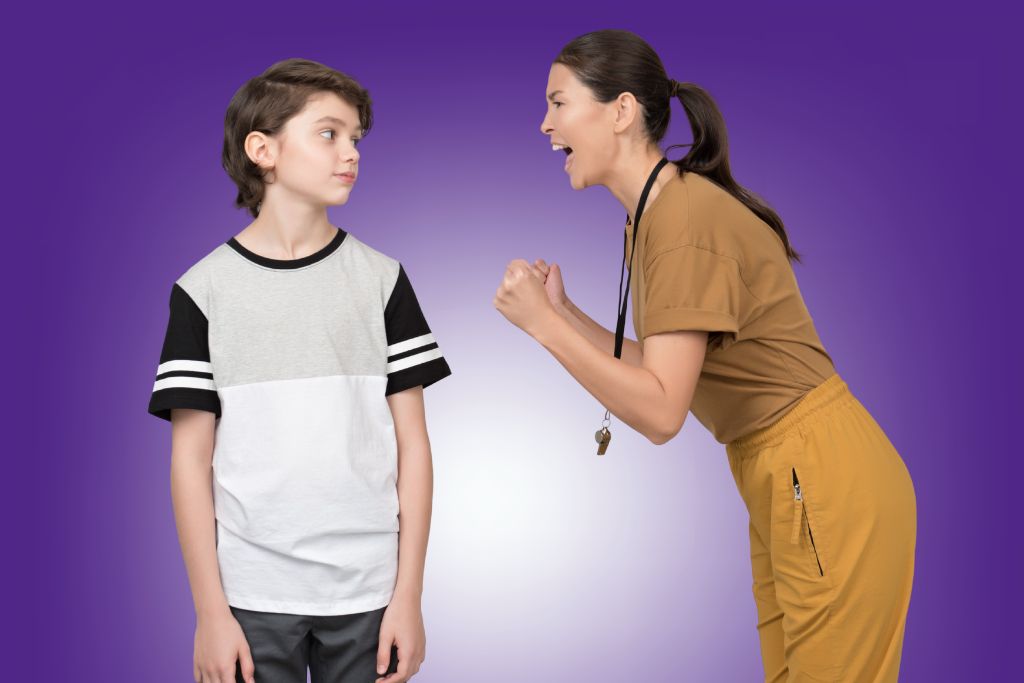
When the “total load” on a child is too high, the brain struggles to regulate emotions and behavior. Even small tasks or transitions can trigger meltdowns.
Signs of cumulative stress in kids:
Tip: Track patterns over a week. Look for triggers like skipped meals, lack of sleep, or high-stimulation environments.
Want to stay calm when your child pushes every button?Become a Dysregulation Insider VIP and get the FREE Regulation Rescue Kit, your step-by-step guide to stop oppositional behaviors without yelling or giving in.
Go to www.drroseann.com/newsletter and grab your kit today.
The brain can’t learn, connect, or self-regulate when it’s stuck in fight, flight, or freeze mode. That’s why Regulation First Parenting™ starts with calming the nervous system before teaching coping skills or academic strategies.
Practical steps:
When the nervous system feels safe, children can process information, manage emotions, and engage socially.
Biological needs are the foundation of mental health. Lack of protein, magnesium, or key vitamins can amplify emotional dysregulation. Poor sleep or overstimulating environments further overload the system.
Tips for support:
Even small shifts can reduce meltdowns and improve attention and emotional stability.
Many children go undiagnosed because subtle signs are overlooked. Early screening for ADHD, autism, or learning differences can make interventions more effective.
What to watch for:
Early recognition allows targeted supports that strengthen self-regulation skills.
Building resilience isn’t about forcing perfection; it’s about scaffolding skills and calm routines. When the nervous system is supported, your child can tackle school, friendships, and life with confidence.
Home strategies:
These small steps reinforce emotional dysregulation in children and improve daily functioning.
Even with strong home strategies, some children benefit from specialized support. Consider consulting professionals if:
Functional evaluations, therapy, and tailored interventions ensure child behavior problems are addressed at the root.
You can’t regulate a child’s nervous system if your own is dysregulated. Daily micro-resets for parents, breathing exercises, short walks, or mindfulness—help maintain calm and model regulation.
Takeaway: Your presence shapes your child’s nervous system. Calm parents = calmer children.
Stop looking for generic parenting advice. Start looking for relief. If you want relief from the yelling, the constant battles, and the walking on eggshells, The Dysregulated Kid is your answer. Buy it now:
.png)
It’s the combination of stressors—school, sensory, social, environmental—that accumulate and overwhelm a child’s nervous system.
Focus on small, achievable dietary shifts with protein, healthy fats, and anti-inflammatory options to support regulation.
Not always. Begin with foundational supports: sleep, movement, stress management, and nutrition. Supplements like magnesium can help when indicated.
Tired of not knowing what’s really going on with your child? The Solution Matcher gives you a personalized recommendation based on your child’s behavior. It’s free, takes minutes, and shows the best next step. Go to www.drroseann.com/help
Dr. Roseann Capanna-Hodge is a licensed therapist, certified school psychologist, and leading expert in emotional dysregulation in children. With over 30 years of experience, she helps parents understand the root causes of meltdowns, anxiety, ADHD, and challenging behavior through the lens of nervous system regulation. Dr. Roseann teaches practical, science-backed strategies for co-regulation and how to calm a dysregulated child using her Regulation First Parenting™ approach. She is the host of the Dysregulated Kids Podcast and author of The Dysregulated Kid.
Dr. Roseann Capanna-Hodge
Emotional Dysregulation in Children & Nervous System Expert
Regulation First Parenting™ | CALMS Protocol™
Host of the Dysregulated Kids Podcast (Top 1% Globally)
Author of The Dysregulated Kid