Find Your Solution
In 3 minutes, you’ll know where to start ➤
%20.png)





Estimated Reading Time: 6 minutes
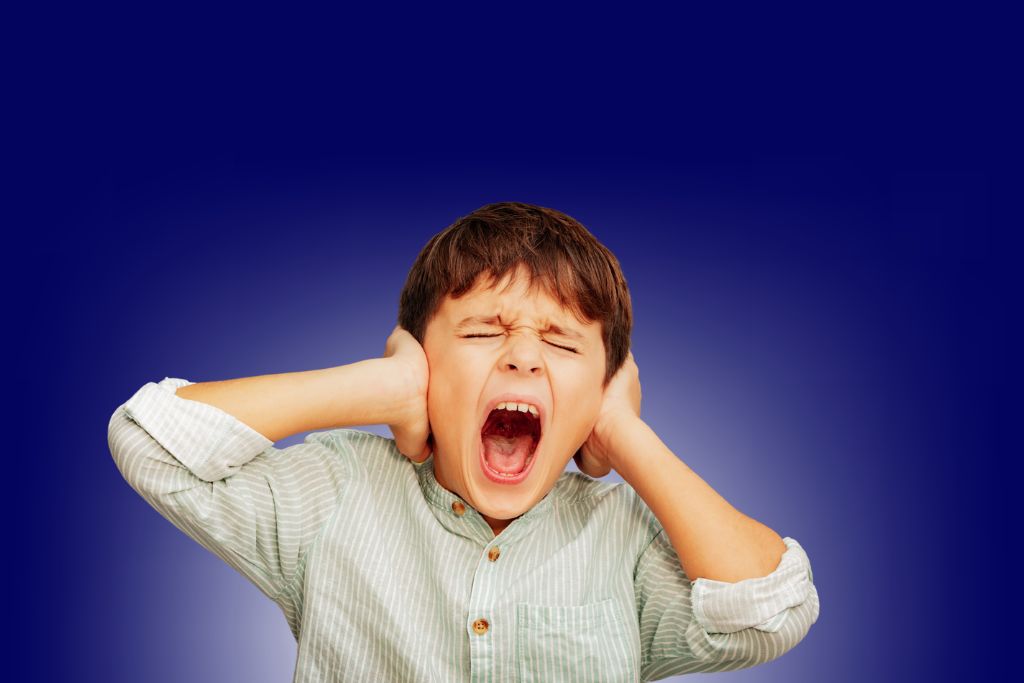
If your child has big emotions, intense rage, or meltdowns that seem to come out of nowhere, I know how scary and isolating that can feel. And when a child is explosive, the conversation often jumps straight to ADHD because it’s familiar and more widely understood. But ADHD vs mood disorder is a critical distinction, and getting it wrong can prevent your child from getting the support they truly need.
In this episode, I’m helping you look at these behaviors through the lens that matters most: nervous system dysregulation. Because when thethey brain is running hot, your child can’t access logic, flexibility, or self-control no matter how many consequences you try.
The overlap between ADHD and mood disorders is real.
Both can involve:
Because the symptoms look similar on the surface, many parents are left wondering which issue is really driving the behavior.
The key is not simply looking at what your child does.
The key is understanding the pattern behind the behavior.
This is where many parents get stuck.
ADHD and mood disorders share several traits, but they often follow different patterns.
ADHD typically looks like:
Mood dysregulation often looks like:
Pay attention to what happens after the outburst.
Children with ADHD may recover relatively quickly.
Children struggling with mood dysregulation often:
I’ve worked with families who were told their child had "complex ADHD."
But the day-to-day reality included:
Those patterns pointed toward mood dysregulation rather than ADHD alone.
Because nobody wants to "go there."
And I understand why.
Mood-related diagnoses can feel overwhelming for parents.
As a result, many children collect what I call "shopping cart diagnoses."
Parents may hear:
Meanwhile, the mood component remains unidentified.
This often leads to:
This is never about blame.
It's about finding the right framework so you can support your child more effectively.
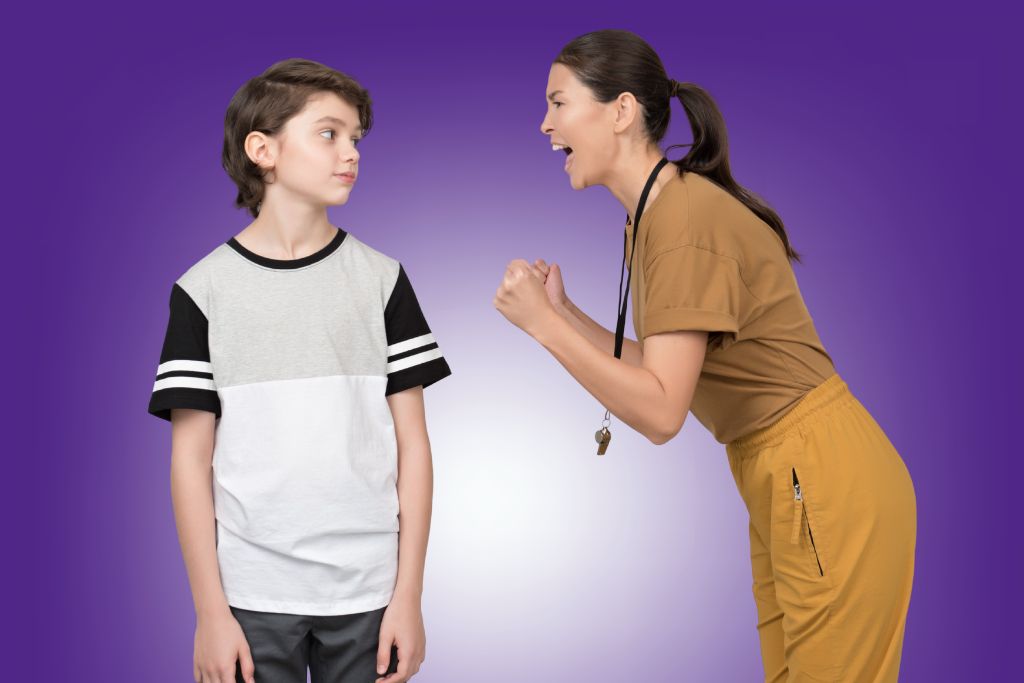
Behavioral dysregulation is often mistaken for defiance, manipulation, or poor behavior.
In reality, it's usually a sign that the nervous system is overwhelmed.
A dysregulated child may:
When the nervous system is overloaded, behavior becomes a form of communication.
The question shifts from:
"What's wrong with my child?"
To:
"What is my child's nervous system trying to tell me?"
The most common triggers are not bad behavior.
They're signs of nervous system overload.
Look for patterns around:
Many parents notice that their child appears fine until one small thing pushes them over the edge.
The trigger isn't the real problem.
It's simply the final stressor in an already overwhelmed nervous system.
Instead of thinking:
Try:
"My child's nervous system is overloaded."
That shift helps you move from frustration to support.
Children cannot access self-control when they are dysregulated.
That's why regulation must come before correction.
Helpful regulation techniques for kids include:
To strengthen self-regulation skills for children, focus on:
Remember:
A calm brain learns.
A dysregulated brain protects.
You don’t have to figure this out alone. Become a Dysregulation Insider VIP and get your FREE Regulation Rescue Kit: How to Stay Calm When Your Child Pushes Your Buttons and Stop Oppositional Behaviors.
Head to www.drroseann.com/newsletter and start your calm parenting journey today.
🗣️ “These aren’t manipulative behaviors. They’re a sign of that dysregulated nervous system.” — Dr. Roseann
Whether your child has ADHD, a mood disorder, anxiety, or overlapping challenges, the nervous system remains the foundation.
When the brain is dysregulated:
When the nervous system is regulated:
This is why Regulation First Parenting™ focuses on calming the brain before anything else.
If you've been stuck in ADHD vs mood disorder confusion, let this be your reminder to pause and look deeper.
Start with regulation, not correction.
Observe patterns rather than isolated behaviors.
Look at recovery time, emotional intensity, and nervous system triggers.
Whether your child struggles with ADHD, mood dysregulation, or behavioral dysregulation, understanding the root cause is the first step toward lasting change.
A calm brain is the doorway to insight, healing, and growth.
If you're also wondering whether anxiety is part of the picture, be sure to listen to the episode Can Anxiety in Children Mimic ADHD?
You’re not alone, and there is a path forward.
Sometimes. If mood dysregulation is a significant part of the picture, certain medications may intensify irritability or emotional reactivity. Always discuss concerns with your child's healthcare provider.
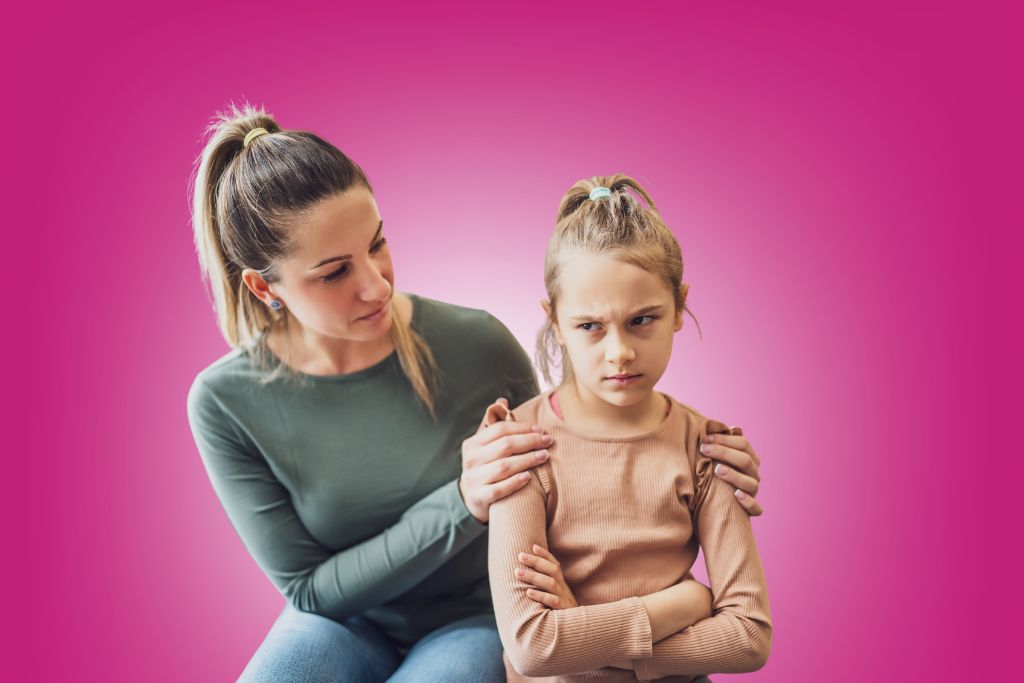
Focus on safety and regulation first. Avoid lecturing, reasoning, or consequences in the moment. Help calm the nervous system before addressing behavior.
Many children hold it together all day and release their stress in the environment where they feel safest. Home often becomes the place where accumulated stress and dysregulation emerge.
Yes. ADHD and mood disorders frequently co-occur. This is why careful assessment and looking at long-term patterns are so important.
Strong self-regulation skills for children help them recognize stress signals, recover more quickly, and manage emotions before they escalate into explosive behavior.
Not sure where to start? Take the guesswork out of helping your child.Use our free Solution Matcher to get a personalized plan based on your child’s unique needs—whether it’s ADHD, anxiety, mood issues, or emotional dysregulation. In just a few minutes, you'll know exactly what support is right for your family. Start here: www.drroseann.com/help
Dr. Roseann Capanna-Hodge is a licensed therapist, certified school psychologist, and leading expert in emotional dysregulation in children. With over 30 years of experience, she helps parents understand the root causes of meltdowns, anxiety, ADHD, and challenging behavior through the lens of nervous system regulation. Dr. Roseann teaches practical, science-backed strategies for co-regulation and how to calm a dysregulated child using her Regulation First Parenting™ approach. She is the host of the Dysregulated Kids Podcast and author of The Dysregulated Kid.
Dr. Roseann Capanna-Hodge
Emotional Dysregulation in Children & Nervous System Expert
Regulation First Parenting™ | CALMS Protocol™
Host of the Dysregulated Kids Podcast (Top 1% Globally)
Author of The Dysregulated Kid