%20.png)



Estimated reading time: 6 minutes
Your child ducks reading like it’s a shadow chasing them around the house. Spelling feels impossibly hard. You see homework pile up and wonder quietly in the dark—could this be dyslexia? You’re not alone.
What looks like defiance often signals something else entirely. It’s not misbehavior—it’s dysregulation, a nervous system crying out for balance.
This guide shines a light on what dyslexia really means and offers steps that bring real hope back into your home. Calm the brain first, and everything else follows.
What It Means When We Say Dyslexia Is a Learning Disability
Yes, dyslexia gets labeled as a specific learning disability (SLD). That word “disability” feels heavy though, doesn’t it? Because dyslexia isn’t about intelligence. It’s about how a child’s brain handles language, how it matches sounds with letters, how it pieces together words.
Kids with dyslexia often:
- Struggle to match sounds with letters
- Work so hard to sound words out instead of recognizing them quickly (Coltheart et al., 1983)
- Battle through reading or spelling even when they’re bright and capable
This learning difference reflects how a brain is wired, not how capable a child can be. Studies point toward structural and functional variations in regions that handle language (Peterson & Pennington, 2012).
Key Takeaways
- Dyslexia is recognized under IDEA as a learning disability
- It impacts fluency, spelling, and decoding—not intelligence
- Early support and brain-calming strategies help children thrive
Calm the brain first, everything else follows.
Most Common Signs of Dyslexia in Children
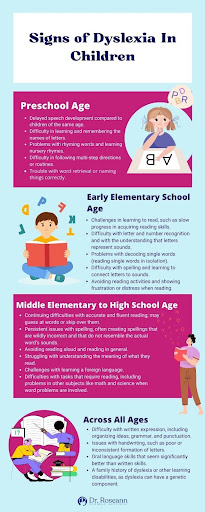
Parents often notice the signs long before a diagnosis. Dyslexia shows up in different ways depending on age, but some patterns are consistent.
Early signs:
- Delayed speech milestones
- Difficulty learning rhymes or the alphabet
- Trouble recognizing letters or letter sounds
School-age signs:
- Slow, effortful reading
- Mixing up letters (b/d, p/q)
- Difficulty following sequences or multi-step directions
- Avoidance of reading
Here’s how it can look in real life: Rachel, mom of a 7-year-old, thought her daughter was ‘lazy’ with reading. After a dyslexia evaluation, she realized her child’s brain just needed different tools.
Once they started regulation-first strategies and multisensory reading, her daughter’s confidence soared.
Dyslexia is not laziness—it’s the brain asking for support.
How Is Dyslexia Diagnosed and Who Can Diagnose It?
Getting a dyslexia diagnosis isn’t about one quick test—it’s more like piecing together a puzzle. Each piece gives us a clearer picture of how your child’s brain works with language. And the earlier we get that picture, the faster we can bring in strategies that calm the brain and open the door for learning.
Professionals often look at:
- Psychoeducational testing for thinking skills, academics, and processing speed
- Speech and language evaluations for phonological awareness
- Parent and teacher reports about reading struggles or classroom behavior
Usually a school psychologist, neuropsychologist, or educational psychologist pulls those pieces together and makes the call.
Is Dyslexia the Same as Struggling with Reading?
Not quite. Many kids struggle with reading due to factors like poor instruction, anxiety, or ADHD.
Dyslexia is different—it’s about how the brain processes sounds and symbols. Once we understand that, we can bring in tools that actually work.
Differences between general reading struggles and dyslexia:
What Myths About Dyslexia Do Parents Need to Know?
Parents hear a lot of myths about dyslexia, and it can leave you feeling lost. Let’s clear the fog together.
❌ Dyslexia doesn’t mean kids see letters dancing backward on a page
❌ It never equals low intelligence
❌ Children don’t magically “grow out of it” without steady help
✅ With the right tools, reading struggles shrink into something manageable
✅ Many kids with dyslexia think outside the box—brilliantly creative, sharp problem-solvers
Parent Story
Mark once believed his 10-year-old just needed extra grit. He pushed harder, and his son pushed back with tears and frustration.
When Mark finally learned dyslexia was rooted in brain wiring—not laziness—everything shifted. Compassion entered the room like fresh air, and structured support unlocked doors his boy had been banging on for years.
Here’s the truth: dyslexia isn’t a dead end. When we calm the brain and hand kids strategies that fit their wiring, the whole game changes.
How Does Dyslexia Affect a Child’s Confidence and Emotions?
Dyslexia goes far beyond reading—it ripples into confidence, friendships, even family routines. Imagine carrying around a quiet voice whispering, “You’re not as smart,” every single day. That kind of weight can spark meltdowns, avoidance, or anxious thoughts.
Here’s what parents often notice their child feels:
- Embarrassed when asked to read aloud in class
- Avoiding school out of fear of failing
- Doubting themselves, unsure of their strengths
- Irritable or explosive during homework battles
When we calm the brain first, everything else follows. Those emotional storms soften once a child feels safe, supported, and given the right tools.
What Are the Best Ways to Support a Child with Dyslexia?

Parents aren’t powerless—there are many science-backed ways to help.
Here are some powerful ways to support a child with dyslexia:
- Structured literacy approaches like Orton-Gillingham
- Multisensory teaching that engages sight, sound, and movement
- Co-regulation—your calm helps your child’s brain settle
- Simple daily nervous system tools: movement, breathing, sensory breaks
- School supports like audiobooks, extra time, or speech-to-text
Parent Story:
Rachel, mom of an 8-year-old, used nightly “movement breaks” before homework. Her daughter calmed, focused, and actually began enjoying short reading sessions.
Supporting dyslexia means calming the brain and teaching differently.
Is Dyslexia a Lifelong Disability?
Yes, dyslexia lasts a lifetime—but it doesn’t close doors. With early help, steady support, and resilience, kids stop seeing themselves as ‘less than’ and start thriving (Niolaki et al., 2025).
Some of the world’s most creative leaders, like Richard Branson and Whoopi Goldberg, remind us that differently wired brains can soar.
Calm the brain first, and your child’s gifts will shine too.
Read more about: The Neurodivergent Umbrella: A Guide to Understanding and Supporting Neurodiverse Kids
Parent Action Steps
Take our Solution Matcher to get science-backed solutions to help your child today. Seek early evaluation and support Use structured, multisensory reading programs Build daily regulation routines Encourage strengths outside academics Work with the school for necessary school accommodations
FAQs
Is dyslexia the same as ADHD?
No, but they often co-occur. ADHD affects attention and focus, while dyslexia affects reading and language processing.
Can dyslexia be cured?
Dyslexia isn’t something to “cure.” It’s a brain-based difference. But with the right tools, kids can learn to read and succeed academically.
What age can dyslexia be diagnosed?
As early as kindergarten through specialized assessments—but signs often show earlier.
Will my child always struggle with reading?
With the right intervention, reading improves significantly, though dyslexia may remain a lifelong difference.
Do schools have to support dyslexia?
Yes, under IDEA, dyslexia is recognized as a specific learning disability. Schools must provide appropriate supports and accommodations.
Citations
Coltheart, M., Masterson, J., Byng, S., Prior, M., & Riddoch, J. (1983). Surface Dyslexia. The Quarterly Journal of Experimental Psychology Section A, 35(3), 469–495. https://doi.org/10.1080/14640748308402483
Niolaki, G., Negoita, A. I., Terzopoulos, A., & Masterson, J. (2025). The role of self-compassion in adults with dyslexia. Annals of dyslexia, 75(2), 339–361. https://doi.org/10.1007/s11881-025-00327-0
Peterson, R. L., & Pennington, B. F. (2012). Developmental dyslexia. The Lancet, 379(9830), 1997–2007. https://doi.org/10.1016/s0140-6736(12)60198-6
Dr. Roseann is a mental health expert in Neurodivergence who frequently is in the media:
- Money The Best Laptop, Headphones and Other Remote Learning Gadgets for Your Student’s At-Home Workstation
- Brentwood Home Dos & Don’ts for Creating a Child’s Workstation at Home
- Business Insider Your kids could get the coronavirus when they go back to school. These are the risks and benefits to weigh before sending them.
- CBS (Video) Learning From Home During Quarantine
Always remember… “Calm Brain, Happy Family™”
Disclaimer: This article is not intended to give health advice and it is recommended to consult with a physician before beginning any new wellness regime. *The effectiveness of diagnosis and treatment varies by patient and condition. Dr. Roseann Capanna-Hodge, LLC does not guarantee certain results.
Are you looking for SOLUTIONS for your struggling child or teen?
Dr. Roseann and her team are all about science-backed solutions, so you are in the right place!

Meet the Expert
Licensed Therapist | Certified School Psychologist
Board Certified in Neurofeedback (BCN) | 30+ Years Clinical Experience
Expert in Emotional Dysregulation in Children and Nervous System Regulation
Host, Dysregulated Kids Podcast | Author, The Dysregulated Kid
Dr. Roseann Capanna-Hodge is a licensed therapist, certified school psychologist, and leading expert in emotional dysregulation in children and nervous system regulation. With over 30 years of clinical experience and having analyzed more than 10,000 brain maps, she helps families understand what behavior is really signaling—and how to calm the nervous system first so real change can happen.
She is the creator of Regulation First Parenting™ and the CALMS Protocol™, host of the top 1% podcast Dysregulated Kids, and author of The Dysregulated Kid.