%20.png)



Estimated reading time: 9 minutes
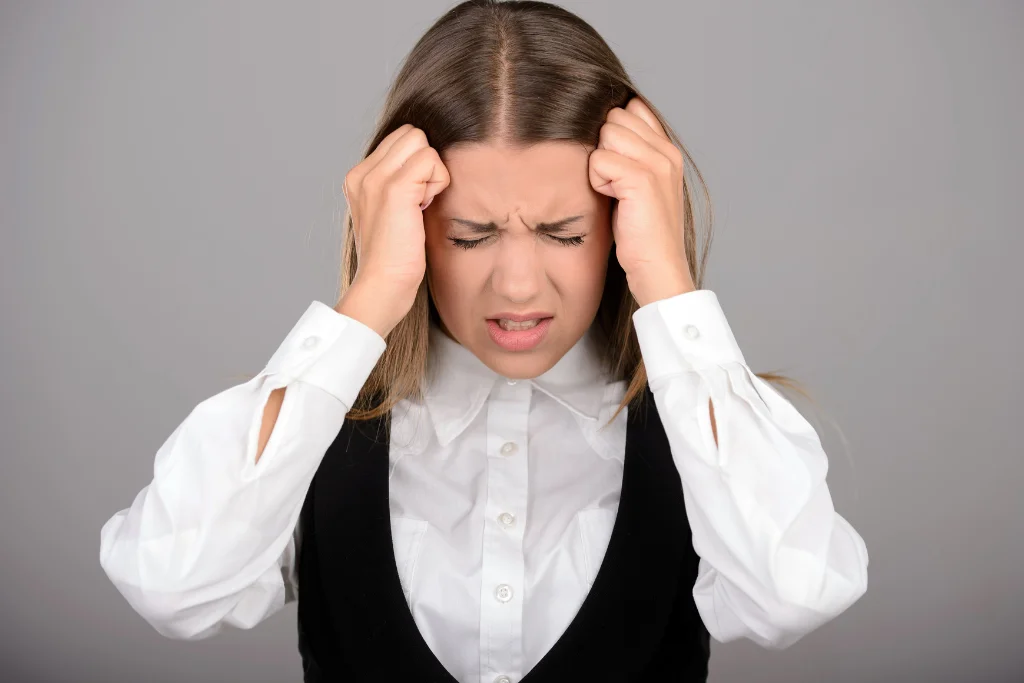
Emotional dysregulation meaning: a child has difficulty managing big emotions, emotional reactions, and the return to calm. It can look like yelling, crying, refusing, melting down, shutting down, or reacting in a way that seems much bigger than the situation.
Well, your child isn’t trying to make life harder.
I’m Dr. Roseann Capanna-Hodge, and for more than 30 years, I’ve helped parents understand what is really happening underneath big behaviors. When we stop seeing dysregulation as defiance and start seeing it as a brain-body response, everything about how we support a child changes.
In this article, you’ll learn:
- What emotional dysregulation means in plain language
- Why it isn’t the same as bad behavior
- What to do next once you understand what’s really going on

What Does Emotion Dysregulation Mean?
Clinically, emotional dysregulation is often described as difficulty regulating the intensity, quality, or expression of emotions in a way that supports an appropriate response and return to calm. Researchers have described it as difficulty regulating emotional intensity and quality across different conditions (Paulus et al., 2021).
Emotion dysregulation means a child has difficulty managing emotional reactions in a way that helps them stay safe, connected, and able to cope.
In everyday language, it means your child’s emotional “brakes” aren’t working well in the moment.
They may know what they should do when they’re calm. They may even feel sorry afterward. But when their nervous system is overloaded, they can’t always access the thinking, listening, and problem-solving skills you know they have.
A child who is emotionally dysregulated may:
- Go from calm to upset very quickly
- Cry, yell, panic, argue, refuse, or shut down
- Struggle to hear your words once overwhelmed
- Need more help than expected to calm their body
- Feel ashamed, confused, or exhausted afterward
The key is this:
Emotional dysregulation isn’t the feeling itself. It’s the struggle to manage the feeling once it shows up.
All children feel angry, sad, scared, frustrated, or disappointed. That’s part of being human. Dysregulation happens when those emotions become so big that the child has trouble staying in control or coming back to calm.
Why Is It Called Emotion Dysregulation?
It’s called emotion dysregulation because the child’s emotional regulation system is having a hard time doing its job.
Regulation is the brain and body’s ability to respond to stress, emotion, frustration, or overwhelm and move toward a calmer state. Dysregulation means that process gets disrupted.
And parents, this is the part I really want you to hear: dysregulation is not your child being dramatic, lazy, spoiled, or manipulative.
Their overwhelm is real.
Their body may be reacting as if the situation is bigger or scarier than it looks from the outside. That’s why your child may seem unreachable during a meltdown or shutdown. They aren’t trying to ignore you. Their brain is overloaded.
This is why I always say we have to calm the brain first.
A dysregulated brain can’t learn well. It can’t problem-solve well. It can’t receive a lecture well. Once the brain and body feel safer, then we can teach, guide, repair, and practice new skills.
What Does Emotion Dysregulation Look Like in Everyday Life?
Emotion dysregulation often shows up in very ordinary family moments.
It may happen when your child is asked to turn off a screen, get ready for school, leave the house, do homework, accept “no,” share with a sibling, or handle a change in plans.
These moments don’t mean your child is trying to be difficult. They are clues that your child’s nervous system may be overwhelmed and needs help getting back to calm.
And I know how exhausting this can be for parents. You may feel like you’re walking on eggshells, trying to avoid the next explosion or shutdown. You may wonder, “Why is everything so hard?”
But when we understand emotional dysregulation, we stop seeing the child as the problem.
We start seeing the dysregulated nervous system as the problem.
That shift matters because it helps parents respond with more calm, clarity, and compassion.
Is Emotion Dysregulation the Same as Bad Behavior?
No. Emotion dysregulation is not the same as bad behavior.
Bad behavior focuses only on what your child did.
Emotion dysregulation asks what was happening underneath.
That doesn’t mean your child doesn’t need boundaries. They absolutely do. Loving limits help children feel safe.
But when a child is emotionally dysregulated, punishment alone usually won’t build the missing skill. A child who is overwhelmed needs support getting back to calm before they can reflect, repair, or make a better choice next time.
Behavior is communication.
Sometimes the behavior is saying:
- “This is too much for me.”
- “I don’t know how to shift.”
- “My body doesn’t feel calm.”
- “I can’t find my words.”
- “I need help, not shame.”
When parents understand the meaning of emotional dysregulation, they can stop taking every reaction personally and start asking a better question:
“What support does my child need to feel safe enough to regulate?”
That question changes everything.
It moves you from reacting to the surface behavior to supporting the brain-body regulation your child needs underneath.
Why Kids With ADHD, Anxiety, or Autism May Struggle With Emotion Dysregulation
Children with ADHD, anxiety, autism, sensory processing challenges, learning differences, trauma, or chronic stress may be more vulnerable to emotional dysregulation (Bierens et al., 2023).
That doesn’t mean emotional dysregulation automatically equals a diagnosis.
It means some children need more support with flexibility, transitions, impulse control, sensory input, uncertainty, or stress.
- For a child with ADHD, dysregulation may show up when executive demands are high—such as having to stop an impulse, wait, shift from one activity to another, or manage frustration in the moment (Sjöwall et al., 2012).
- For an anxious child, dysregulation doesn’t always look like worry. It may show up as irritability, avoidance, panic, tears, or anger because their nervous system is working hard to manage emotional intensity, threat, and overwhelm (Hauffe et al., 2024).
- For an autistic child, dysregulation may happen when sensory input, transitions, or unexpected changes become too much. A 2023 study of autistic youth found that emotional dysregulation predicted sameness behaviors and sensory over-responsiveness through intolerance of uncertainty and anxiety, suggesting that sensory overload and difficulty with change can be deeply connected to emotional overwhelm (Beneytez et al., 2023).
Different kids show dysregulation in different ways, but the message is often similar:
Their brain and body are overwhelmed, and they need help getting back to calm.
This is why understanding the meaning of emotional dysregulation is so important. It helps parents look beyond the behavior and ask what kind of support their child’s nervous system needs.
What Should Parents Do After Learning the Meaning?
Once you understand the meaning of emotional dysregulation, you don’t need to panic or label every behavior.
Start with curiosity.
Ask yourself:
- When does my child become overwhelmed most often?
- Are transitions, screens, hunger, sleep, school stress, or sensory input involved?
- What helps my child feel safe?
- What makes the reaction bigger?
- Does this happen mostly at home, school, or both?
- Is it affecting learning, friendships, sleep, or family life?
This kind of observation helps you move from reacting to understanding.
Instead of thinking, “Why are they acting like this?” you can begin asking, “What is their nervous system trying to tell me?”
That doesn’t mean you excuse unsafe behavior. It means you respond to the root, not just the surface.
A child who is dysregulated needs calm, structure, connection, and repeated practice. And with the right support, children can build stronger emotional regulation skills over time.

Where to Go Next for Emotional Dysregulation Help
If you’re just learning about emotional dysregulation, start with the basics.
You may want to read more about:
- Signs of emotional dysregulation in children
- Causes of emotional dysregulation
- How to calm emotional dysregulation
- Emotional dysregulation in ADHD, anxiety, and autism
- The definition of emotional dysregulation beyond mood swings
If your child’s emotional reactions are frequent, intense, unsafe, or interfering with school, sleep, friendships, or family life, it may be time to seek professional support.
And most importantly, remember this:
Emotional dysregulation is not who your child is. It is what their nervous system is struggling with.
When we calm the brain first, children have a better chance to listen, learn, connect, and grow.
Frequently Asked Questions
What is the meaning of emotional dysregulation?
Emotional dysregulation means a child has difficulty managing big emotions and returning to calm. Their feelings may become overwhelming quickly and require more support to settle.
What does emotion dysregulation mean in children?
In children, emotion dysregulation means the brain and body are struggling to manage stress, frustration, fear, disappointment, or overwhelm. It may show up as crying, yelling, refusal, panic, shutdown, or meltdowns.
Is emotional dysregulation bad behavior?
No. Emotional dysregulation is not the same as bad behavior. It means the child is struggling to manage an emotional response, though they may still need boundaries, support, and repair after the moment passes.
What causes emotional dysregulation in kids?
Emotional dysregulation can be linked to stress, anxiety, ADHD, autism, sensory overload, trauma, sleep problems, learning challenges, or immature regulation skills. The cause can vary from child to child.
Can a child have emotional dysregulation without a diagnosis?
Yes. A child can struggle with emotional dysregulation without having ADHD, autism, anxiety, or another diagnosis. Some children simply need more support building emotional regulation skills.
What is an example of emotional dysregulation?
An example of emotional dysregulation is a child becoming overwhelmed after being told screen time is over and then crying, yelling, refusing, or shutting down because they can’t manage the emotional shift.
What should parents do when they notice emotional dysregulation?
Parents should start by noticing patterns without blame. Pay attention to when dysregulation happens, what may trigger it, and what helps your child feel safe and calm again.
Is emotional dysregulation something kids can grow out of?
Some children improve as their brain matures, but many need support, practice, and the right tools to build regulation skills. Early support can make daily life easier for both the child and family.
Citations
Beneytez, C. (2023). Intolerance-of-uncertainty and anxiety as serial mediators between emotional dysregulation and repetitive patterns in young people with autism. Research in Autism Spectrum Disorders, 102, 102116. https://doi.org/10.1016/j.rasd.2023.102116
Bierens M, Hartman CA, Klip H, Deckers S, Buitelaar J and Rommelse N. (2023). Emotion dysregulation as cross-disorder trait in child psychiatry predicting quality of life and required treatment duration. Front. Psychiatry, 14:1101226. Retrieved from https://www.frontiersin.org/journals/psychiatry/articles/10.3389/fpsyt.2023.1101226/full
Hauffe, V., Vierrath, V., Tuschen-Caffier, B., & Schmitz, J. (2024). Daily-life reactivity and emotion regulation in children with social anxiety disorder. Journal of Anxiety Disorders, 106, 102907. https://doi.org/10.1016/j.janxdis.2024.102907
Paulus FW, Ohmann S, Möhler E, Plener P, Popow C. (2021). Emotional Dysregulation in Children and Adolescents With Psychiatric Disorders. A Narrative Review. Front Psychiatry, 12:628252. https://doi.org/10.3389/fpsyt.2021.628252
Sjöwall, D., Roth, L., Lindqvist, S., & Thorell, L. B. (2013). Multiple deficits in ADHD: Executive dysfunction, delay aversion, reaction time variability, and emotional deficits. Journal of Child Psychology and Psychiatry, 54(6), 619–627. https://doi.org/10.1111/jcpp.12006
Always remember… “Calm Brain, Happy Family™”
Disclaimer: This article is not intended to give health advice and it is recommended to consult with a physician before beginning any new wellness regime. *The effectiveness of diagnosis and treatment vary by patient and condition. Dr. Roseann Capanna-Hodge, LLC does not guarantee certain results.
Are you looking for SOLUTIONS for your struggling child or teen?
Dr. Roseann and her team are all about science-backed solutions, so you are in the right place!