%20.png)


Estimated reading time: 8 minutes
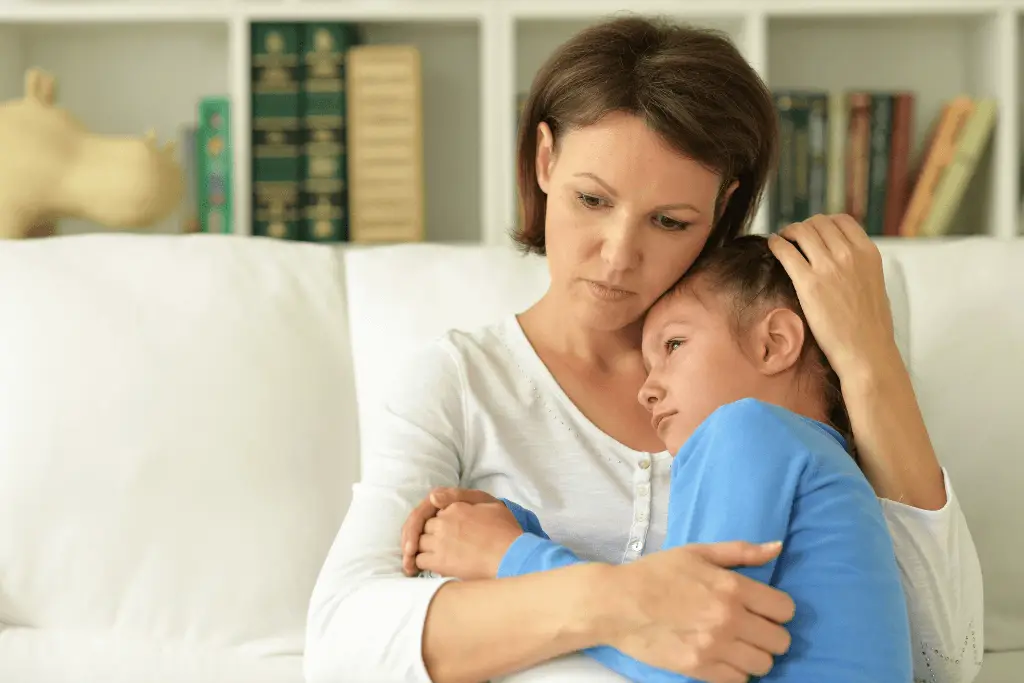
As parents, it’s heartbreaking to see your child struggling—whether it’s tears after a rough day, constant worry about school, or that spark of joy slowly fading. But how do you know if it’s just a bad week or something deeper like anxiety or depression?
Understanding the difference between sadness, depression, and anxiety in children helps you take the right next step. In this guide, I’ll explain what each looks like, what’s happening in your child’s brain, and how calming the nervous system can restore balance, hope, and happiness.
What’s the Difference Between Sadness, Anxiety, and Depression in Kids?
Sadness is a normal, healthy emotion that helps children process disappointment or loss. Maybe your child didn’t make the team or had a fight with a friend—sadness helps them learn resilience and empathy.
But when sadness lingers for weeks, shows up as irritability, or begins to affect sleep and energy, it may be crossing into clinical depression.
Meanwhile, anxiety is marked by excessive worry, fear, or physical symptoms like headaches, stomachaches, or trouble sleeping. Kids with anxiety often live in a constant state of “what if,” anticipating bad outcomes even when everything is fine.
How Can Parents Tell if Their Child’s Sadness Is Turning Into Depression?
When sadness doesn’t fade—or when your child seems “flat,” withdrawn, or loses interest in things they once loved—it may be depression.
Signs your child may be depressed:
- Persistent sadness or tearfulness
- Irritability instead of sadness (especially in boys)
- Sleep or appetite changes
- Hopelessness or guilt
- Trouble concentrating or completing homework
One mom shared that her 12-year-old, Emma, used to love art but began leaving her sketchbook untouched. She’d say, “It doesn’t matter anyway.” Once they recognized this as depression, not laziness, they sought help to calm her brain—and within weeks, Emma began drawing again.
Key takeaway: Depression isn’t about willpower. It’s about a brain that’s depleted and dysregulated—and that can be healed.

What Does Anxiety Look Like in Children?
Anxiety can appear in sneaky ways. Your child might complain of stomachaches before school, refuse to attend birthday parties, or need constant reassurance.
Common symptoms of child anxiety:
- Racing thoughts or intrusive worries
- Clinginess or avoidance of new situations
- Somatic complaints (headaches, stomach pain)
- Difficulty sleeping or irritability
- Perfectionism or fear of failure
When 10-year-old Liam started dreading school and worrying about getting answers “wrong,” his parents thought he just needed more confidence. A QEEG brain map later showed overactivation—his brain was “stuck in high gear.” With calming therapies and co-regulation, Liam’s confidence and sleep both improved.

Can a Child Have Both Anxiety and Depression?
Absolutely. In fact, up to 60% of children with anxiety also show symptoms of depression. Chronic worry exhausts the brain, depleting neurotransmitters and energy. Over time, that “revved-up” system crashes into hopelessness and fatigue.
Think of it this way: Anxiety is the gas pedal stuck down; depression is when the tank runs dry.
When both are present, your child may seem restless yet unmotivated—tired but unable to relax.

Brain Science Spotlight: What’s Happening in Your Child’s Brain
Research from the National Institute of Mental Health shows that chronic stress and emotional distress activate the amygdala (the brain’s alarm system) and suppress the prefrontal cortex (responsible for problem-solving and calm decision-making).
When this system stays overactive, your child’s brain becomes dysregulated—trapped between overarousal (anxiety) and underarousal (depression).
What this means for your family:
You can’t talk a dysregulated brain into calm. You must calm the nervous system first. Once regulated, coping skills and therapy become effective.
Dr. Roseann’s Therapist Tip
In my 30+ years of clinical practice, I’ve learned that regulation always comes before resilience.
Try this today: Before discussing a tough topic, take three deep breaths together and do 30 seconds of gentle movement (like a wall push-up).
Why it works: Movement and breath activate the parasympathetic nervous system—the part that tells the brain, “You’re safe.”
Remember: You can’t correct what’s dysregulated. Calm the brain first.™
Integrative and Natural Solutions That Calm the Brain
Once we understand that sadness, anxiety, and depression are tied to nervous system dysregulation, healing becomes more hopeful and actionable.
Evidence-based natural supports include:
- Neurofeedback to retrain brainwaves into calm patterns
- CALM PEMF® therapy to soothe overactive stress responses
- Nutritional support (omega-3s, magnesium, B-vitamins)
- Mindfulness, EFT tapping, and breathing exercises
- Therapeutic co-regulation—your calm helps your child’s brain calm
At our center and through our BrainBehaviorReset™ Program, we help families use these science-backed tools to calm the brain and create lasting behavioral change.
.

Read more about: Typical Moodiness vs. Childhood Depression
Summary
Sadness helps children grow. Anxiety warns the brain of danger. Depression signals the system is overloaded.
The difference lies in how long the feeling lasts and how much it affects daily life.
When we calm the brain first—through regulation, connection, and natural supports—children can return to a state of focus, joy, and emotional balance.
Explore the Natural Anxiety Relief Kit for gentle, brain-based tools to help your child find calm again.
FAQs
How long does sadness usually last in kids?
Typical sadness lasts a few days and is connected to a specific event. If it continues for more than two weeks or affects daily functioning, it’s time to talk to a professional.
Can anxiety turn into depression?
Yes. When the brain stays in overdrive for too long, it becomes depleted, leading to depression. That’s why calming the nervous system early is so important.
What are physical signs of anxiety or depression in children?
Headaches, stomachaches, fatigue, and sleep problems are common. Remember—kids often express emotional pain through their bodies.
Are natural therapies effective?
Yes. Research supports neurofeedback, PEMF, and mindfulness as effective, side-effect-free ways to regulate the nervous system.
When should parents seek help?
If your child’s emotions interfere with school, friendships, or family life for more than a couple of weeks, seek a licensed mental health professional or a QEEG brain map evaluation.
Citations
- National Institute of Mental Health. (2023). Children and Mental Health. https://www.nimh.nih.gov
- Kerestes, R., Davey, C. G., Stephanou, K., Whittle, S., & Harrison, B. J. (2014). Functional brain imaging studies of youth depression: A systematic review. NeuroImage: Clinical, 4, 209–231.
- Beesdo, K., Pine, D. S., Lieb, R., & Wittchen, H. U. (2010). Incidence and risk patterns of anxiety and depressive disorders in youth. Psychological Medicine, 40(10), 1683–1693.
- American Academy of Child & Adolescent Psychiatry. (2024). Anxiety Disorders Resource Center.
- Harvard Medical School. (2022). The Science of Emotional Regulation in Children.
Always remember… “Calm Brain, Happy Family™”
Disclaimer: This article is not intended to give health advice and it is recommended to consult with a physician before beginning any new wellness regime. *The effectiveness of diagnosis and treatment vary by patient and condition. Dr. Roseann Capanna-Hodge, LLC does not guarantee certain results.
Are you looking for SOLUTIONS for your struggling child or teen?
Dr. Roseann and her team are all about science-backed solutions, so you are in the right place!
©Roseann Capanna-Hodge
Meet the Expert
Licensed Therapist | Certified School Psychologist
Board Certified in Neurofeedback (BCN) | 30+ Years Clinical Experience
Expert in Emotional Dysregulation in Children and Nervous System Regulation
Host, Dysregulated Kids Podcast | Author, The Dysregulated Kid
Dr. Roseann Capanna-Hodge is a licensed therapist, certified school psychologist, and leading expert in emotional dysregulation in children and nervous system regulation. With over 30 years of clinical experience and having analyzed more than 10,000 brain maps, she helps families understand what behavior is really signaling—and how to calm the nervous system first so real change can happen.
She is the creator of Regulation First Parenting™ and the CALMS Protocol™, host of the top 1% podcast Dysregulated Kids, and author of The Dysregulated Kid.